

Urinary Incontinence Treatment in Stowe, Vermont
Performance-based pelvic health treatment for active individuals serving Stowe, Morrisville, Waterbury, and surrounding communities.

Urinary leakage is more common than most people think, especially among active adults and postpartum athletes.
It often shows up during running, jumping, coughing, or high-effort movement. For some, it becomes something they quietly manage by modifying workouts, planning around bathrooms, or avoiding certain activities altogether.
At Summit PT, urinary incontinence treatment focuses on restoring pelvic floor coordination, improving strength, and helping you return to the activities you enjoy without limitation.
This is not something you have to simply live with.
Why Urinary Incontinence Happens
Many people search for solutions after being told that leakage is a normal part of aging, childbirth, or high-impact activity. In reality, it is often a treatable issue related to how the pelvic floor functions under load.
Leakage with running, jumping, coughing, or sneezing is one of the most common patterns we see. Some individuals also experience urgency that affects their ability to train or stay active comfortably. These symptoms are often related to how the pelvic floor responds during dynamic movement rather than a single structural issue.
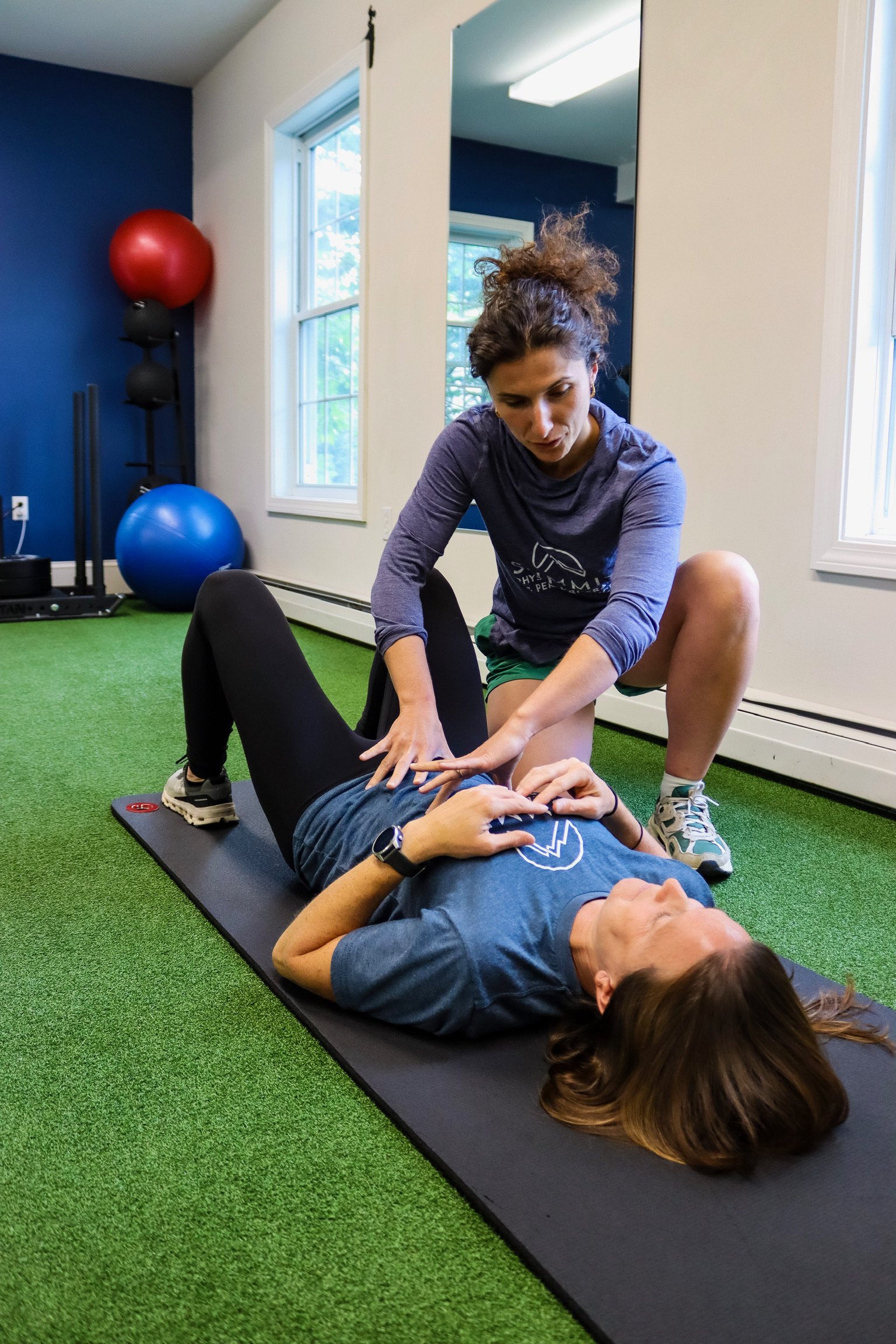
Common contributing factors include:
Poor coordination between the pelvic floor, diaphragm, and core
Difficulty activating or relaxing pelvic floor muscles appropriately
Weakness or delayed response during impact or effort
Excess tension in the pelvic floor limiting proper function
Increased abdominal pressure during running, lifting, or jumping
In active individuals, symptoms often appear when demand exceeds the body’s current level of control and coordination.
How Physical Therapy Helps Urinary Incontinence
Many people try Kegels, wear liners, or limit fluids before activity. While these strategies may reduce symptoms short term, they do not address the underlying issue.
Physical therapy for urinary incontinence focuses on improving how the pelvic floor works within the entire system.
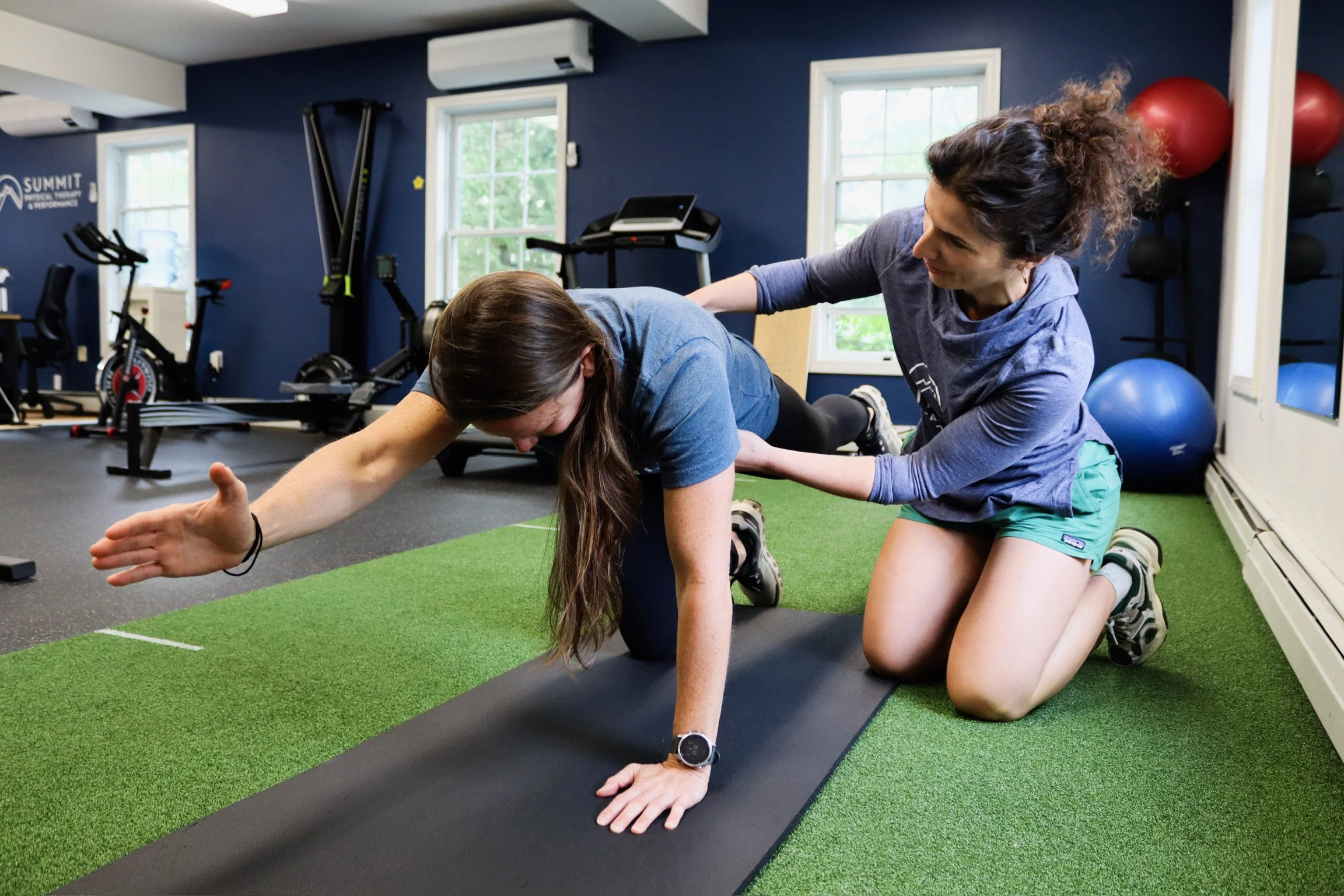
Treatment may include restoring proper muscle activation, improving relaxation when needed, and building coordination between breathing, core function, and movement. As control improves, impact activities like running and jumping can be gradually reintroduced.
The goal is not just symptom management. It is restoring confidence in your body during real activity.

Don’t just take our word for it
SEE WHAT ONE OF OUR CLIENTS HAS TO SAY…
The Summit Approach to Pelvic Health
At Summit PT, urinary incontinence treatment is approached with the same performance-based model used across all conditions.

Early priorities include:
Understanding your specific symptom pattern and triggers
Teaching effective pelvic floor activation and relaxation
Improving coordination between breathing, core, and pelvic floor
Building strength and control to support higher-level activity
Gradually reintroducing impact based on your goals
We also address common misconceptions. Leakage is not something you have to accept. More Kegels are not always the answer. And avoiding activity often prolongs the problem rather than resolving it.
Our focus is restoring function so you can move confidently again.
Serving Patients Across Nearby Vermont Communities
In addition to Stowe, Summit Physical Therapy regularly works with patients from Waterbury, Morrisville, Hyde Park, Cambridge, Jeffersonville, and surrounding Vermont communities. Many people travel to Stowe for specialized physical therapy care that supports an active lifestyle, outdoor recreation, and long-term movement goals.

What to Expect at Your First Visit
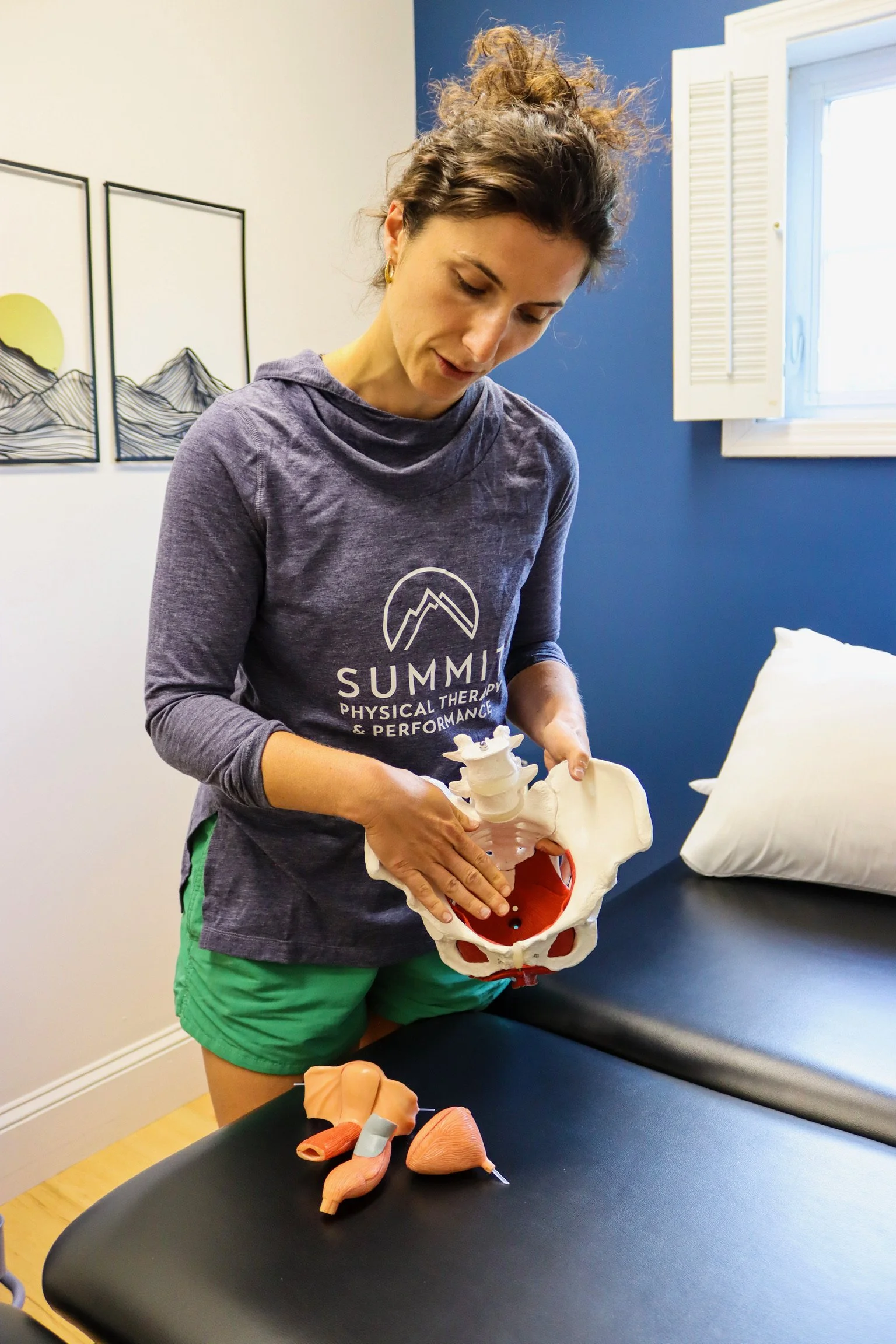
Your first visit begins with a detailed conversation about your symptoms, activity level, and goals. We assess how your pelvic floor, core, and breathing patterns work together during movement.
You will leave your first session with:
Clear understanding of what is contributing to your symptoms
Targeted exercises specific to your presentation
Guidance on activity modifications if needed
A structured plan for returning to higher-impact activity
Care is always individualized and designed around your comfort level.
OUR PROCESS
How it Works
We want to make sure we are the best fit to help you reach your goals. This free 15 minute phone call can be scheduled through the link above, or just give us a call!
Free Discovery Call
01
02
Initial Evaluation
Meet 1 on 1 with a provider who will take you through a series of strength and mobility testing to determine the root cause of your problem.
03
Plan of Care
You and your provider will determine the best course of action to solve your problem and get you back to activity as quickly as possible.
Who This Is a Strong Fit For
This approach is particularly effective for:
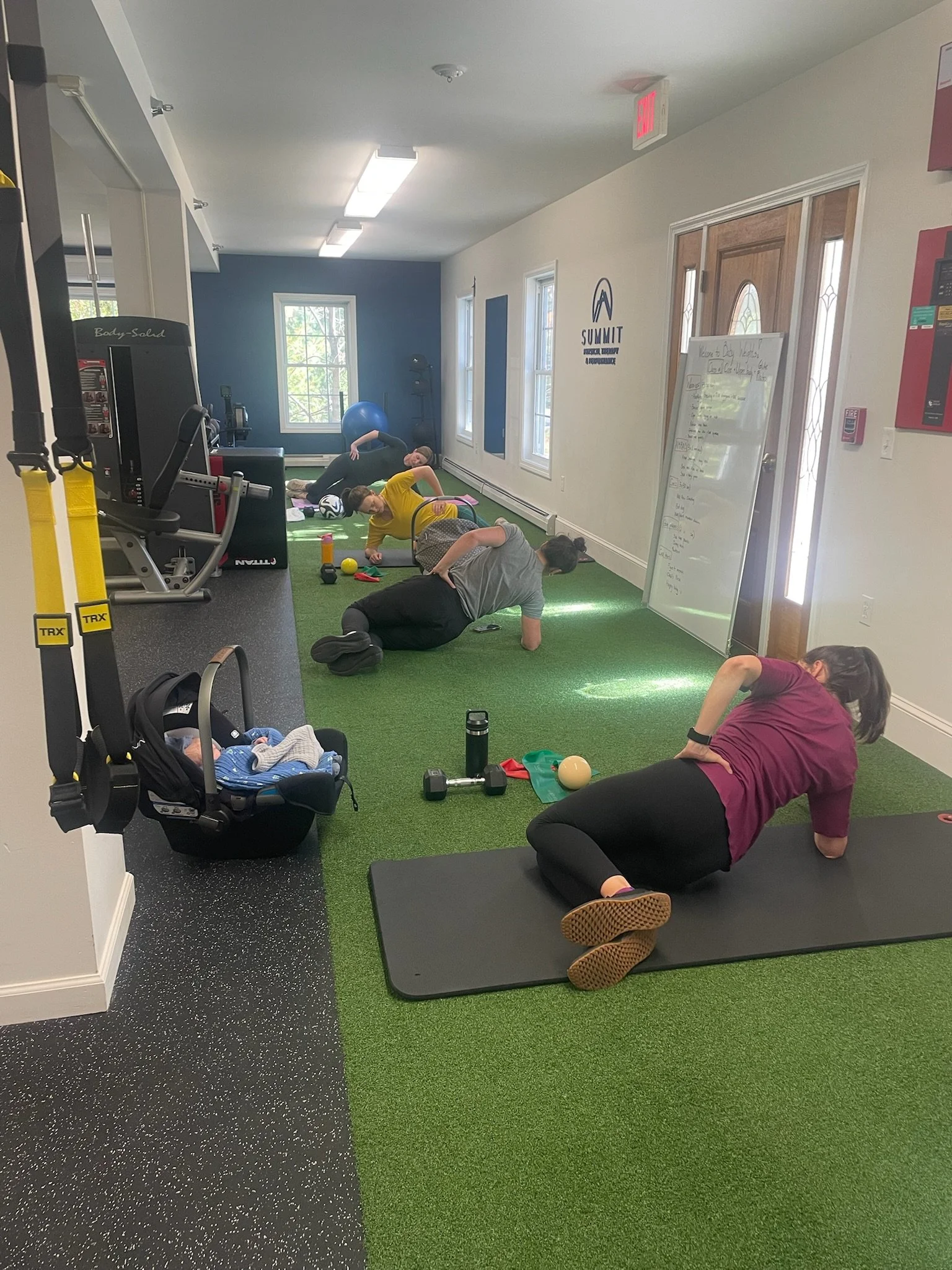
Runners or athletes experiencing leakage with impact
Postpartum individuals with ongoing symptoms
Active adults limiting activity due to urgency or leakage
Individuals who have tried Kegels without improvement
Anyone seeking a long-term solution rather than symptom management
If you want to return to activity without worrying about leakage, this model is designed for you.
Start Rebuilding Confidence and Control
Urinary incontinence should not dictate how you move or train.
If you are looking for urinary incontinence treatment, Summit PT works with active individuals throughout Stowe and surrounding communities to restore pelvic floor function and confidence.
Schedule your evaluation today and begin returning to activity without limitation.
-
It is common, especially with running or jumping, but it is not something you have to accept. Leakage during activity often reflects a coordination or strength issue that can be improved with targeted pelvic floor physical therapy.
-
Not always. Many people perform Kegels incorrectly or need to focus on coordination and relaxation instead of just strengthening. An individualized program is often more effective than doing generic exercises.
-
Yes. With proper treatment, many people return to running and high-impact activity. The key is gradually rebuilding pelvic floor control and load tolerance rather than avoiding impact altogether.
-
In many cases, no. Pelvic floor physical therapy is often recommended as a first-line treatment and can significantly improve symptoms without the need for surgical intervention.
-
This varies depending on the individual, but many people begin noticing improvements within several weeks. A structured plan focused on coordination, strength, and gradual return to activity leads to the best outcomes.