
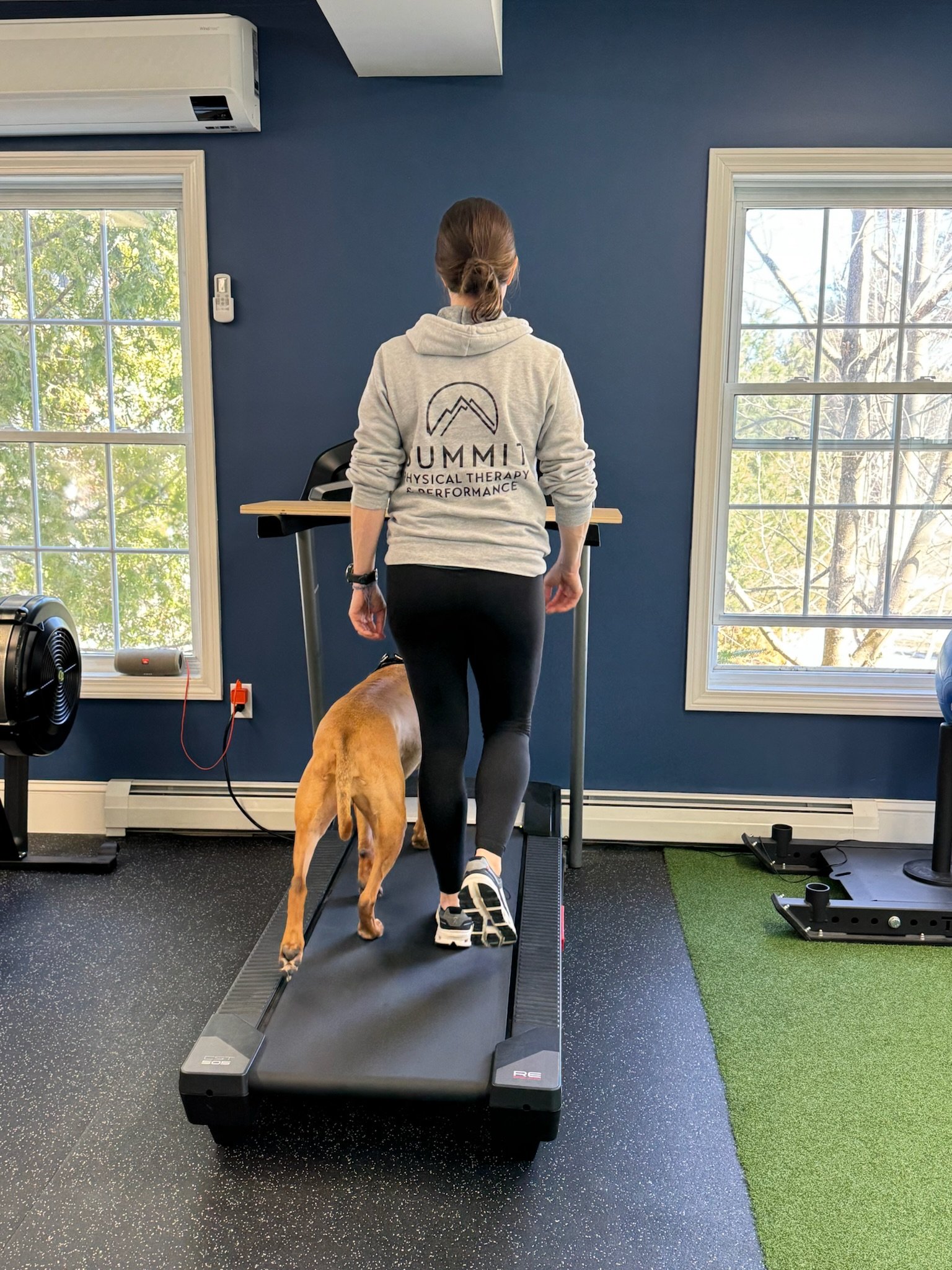
Patellofemoral Pain: Why Your Knees Hurt During Running
Patellofemoral pain is a common overload issue in runners, driven by quad and hip strength, training load, and running mechanics rather than a single cause. Building eccentric quad capacity, adjusting training load, and addressing the specific demands of Vermont's hilly terrain can help runners recover and keep training toward a full season.
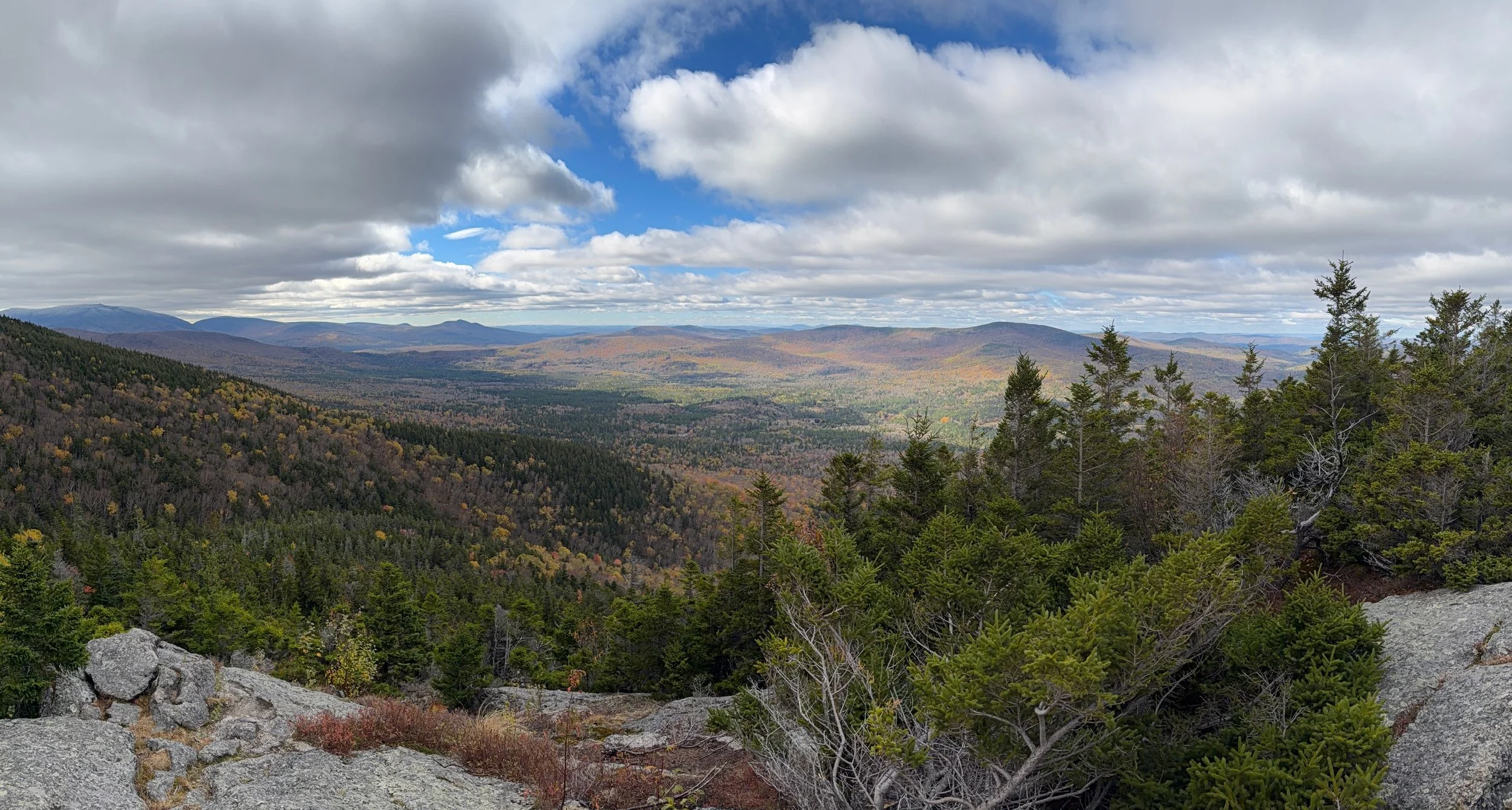
Functional Strength Training for Mountain Athletes
Functional strength training builds the single-leg stability, eccentric control, and trunk strength that hiking, mountain biking, and trail running actually demand, rather than generic gym strength alone. Training these qualities deliberately helps mountain athletes build durability for Vermont's technical, hilly terrain.
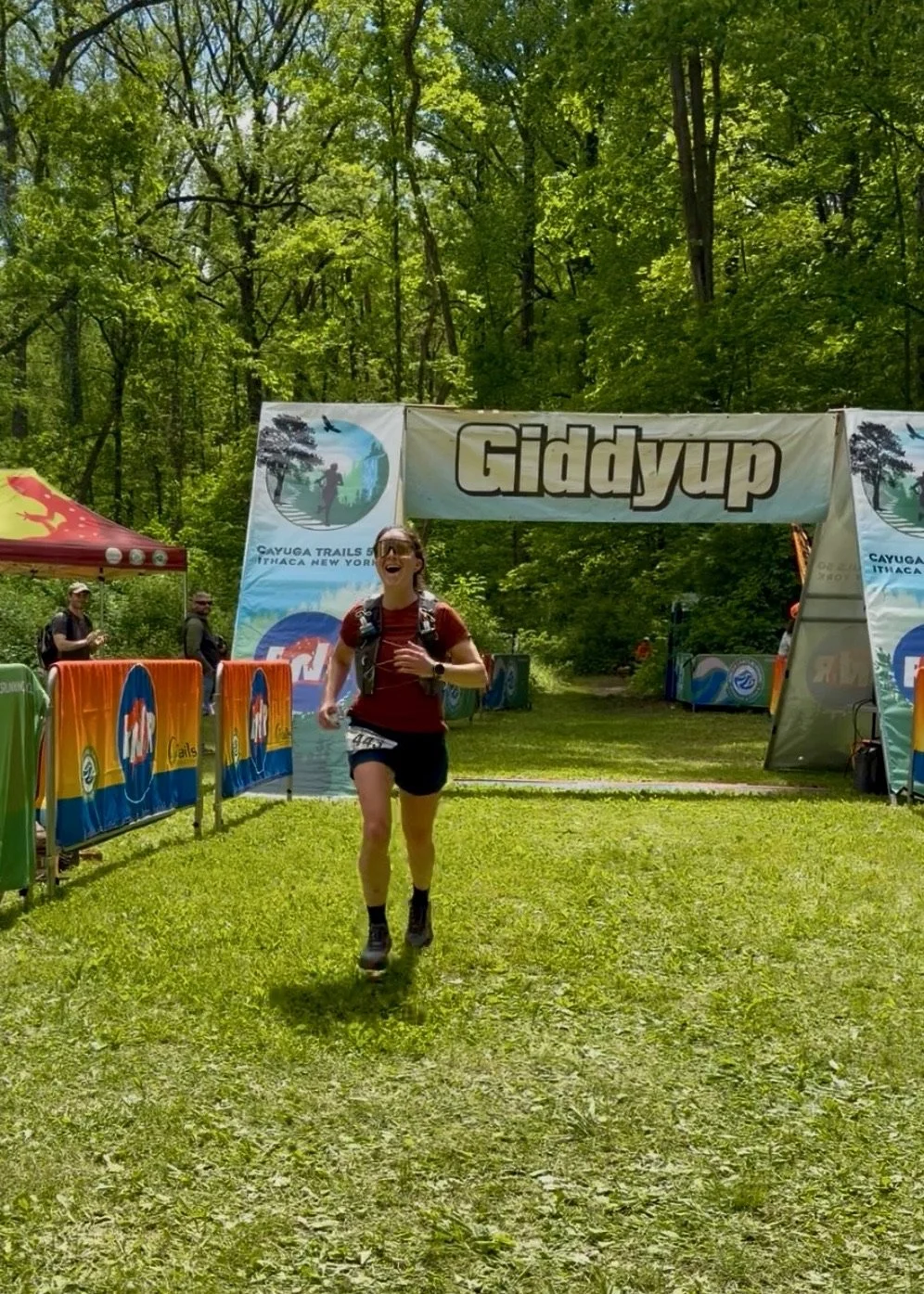
Core Stability for Skiers, Runners, and Cyclists: What It Really Means
Learn what core stability really means for skiers, runners, and cyclists, and how training it differently can improve performance and reduce injury risk.
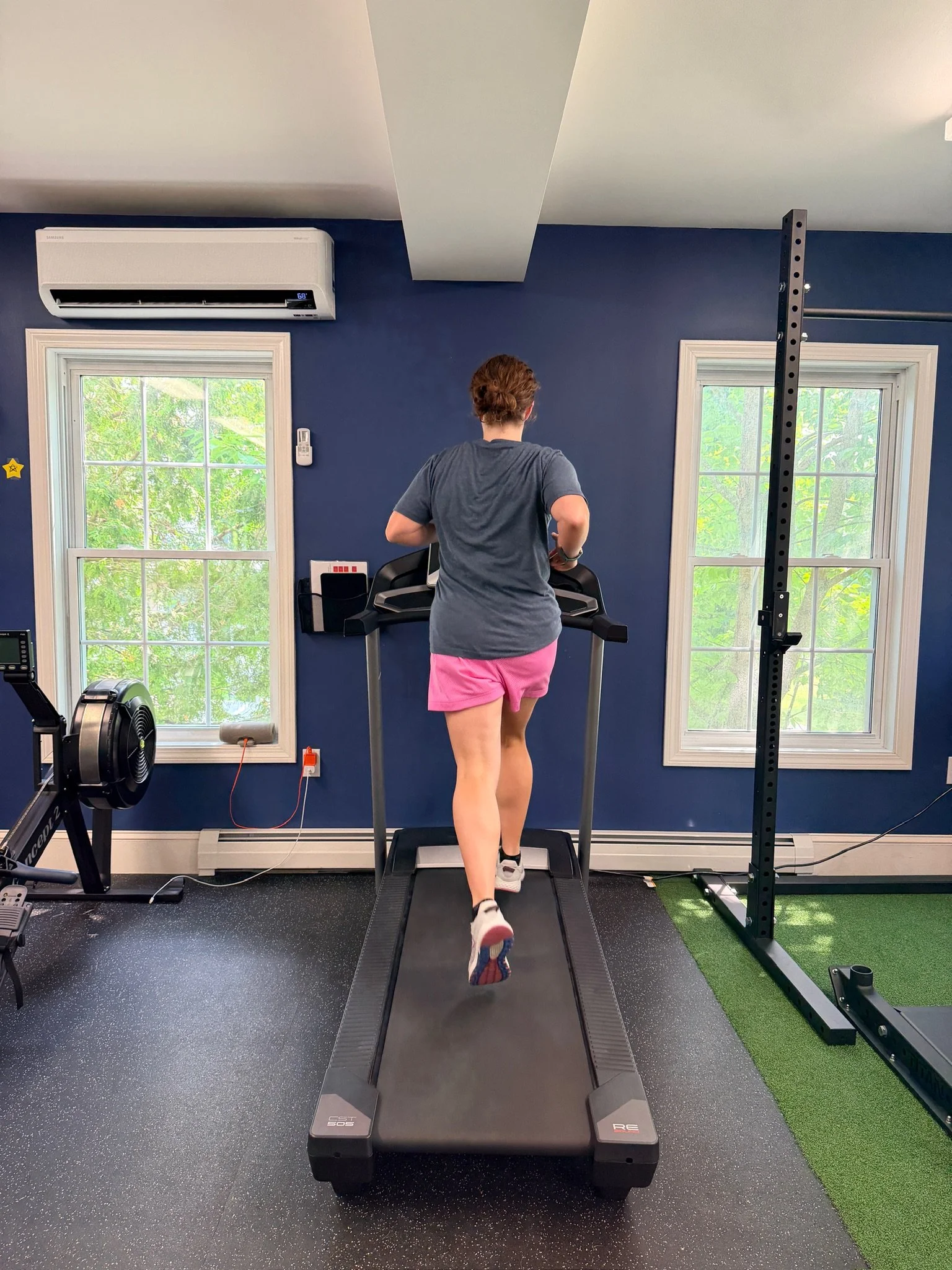
Strength Training for Runners: Building Durability for Long Miles
Discover how strength training for runners builds durability, improves running economy, and supports long miles on Vermont trails. Expert PT guidance from Summit PT.
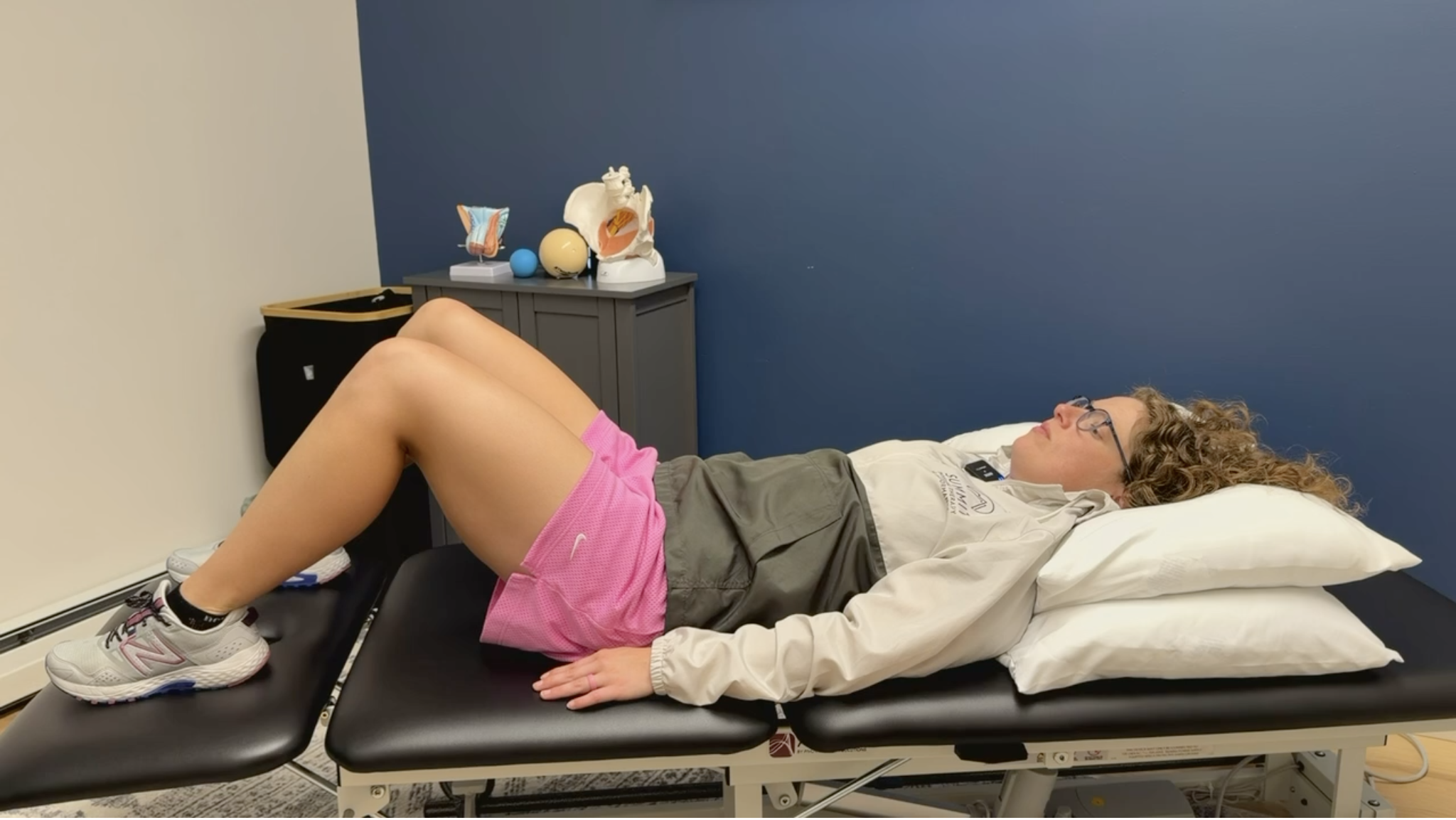
Signs of Pelvic Floor Dysfunction During Exercise (and What to Do)
Learn the signs of pelvic floor dysfunction during exercise, what causes it, and how pelvic floor PT helps athletes return to full performance.
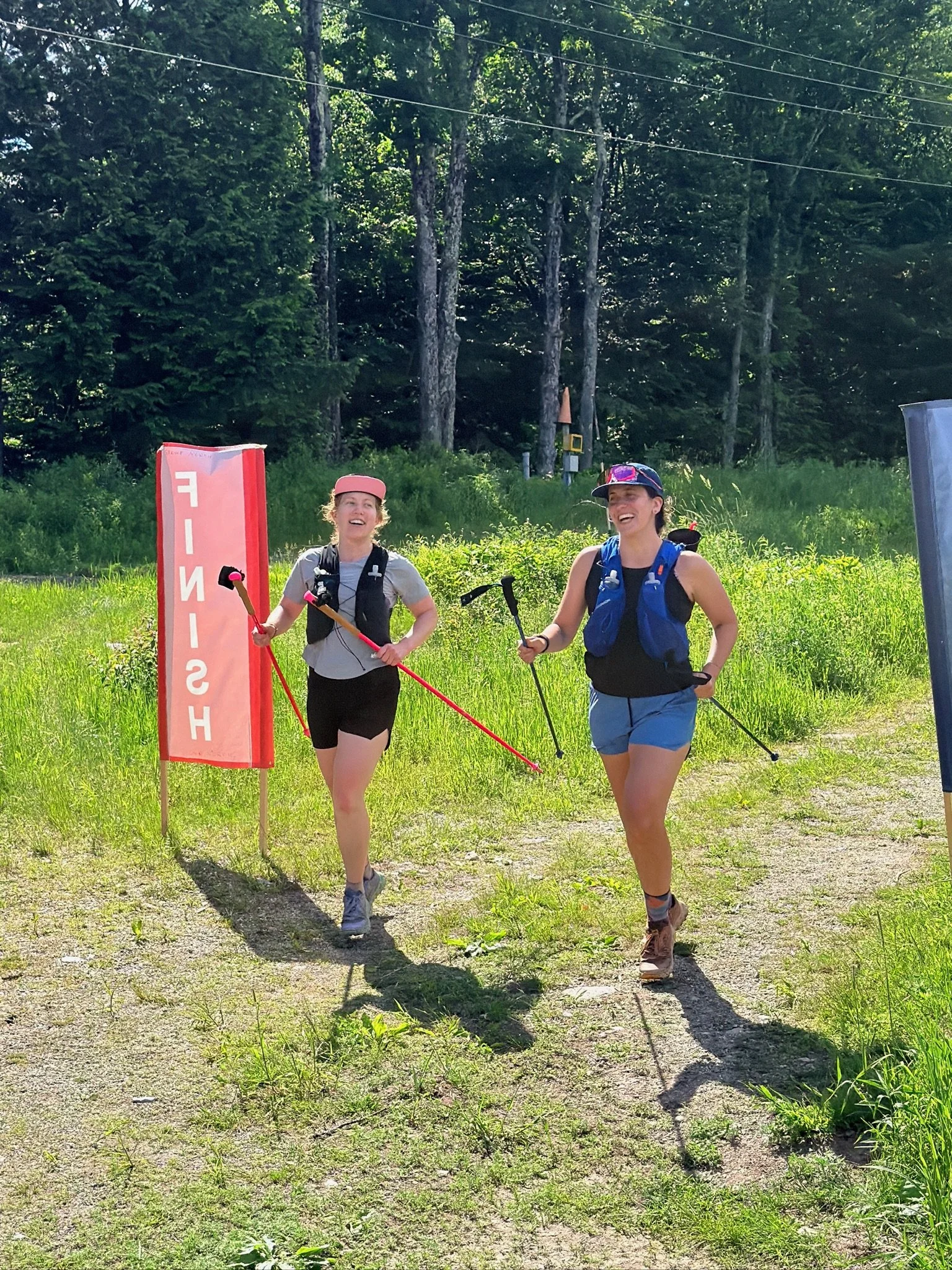
How to Prevent Sports Injuries With Smarter Warm-Ups and Mobility Training
Learn how dynamic warm-ups, mobility training, and sport-specific prep may help you prevent sports injuries and build lasting durability. Summit PT, Stowe VT.
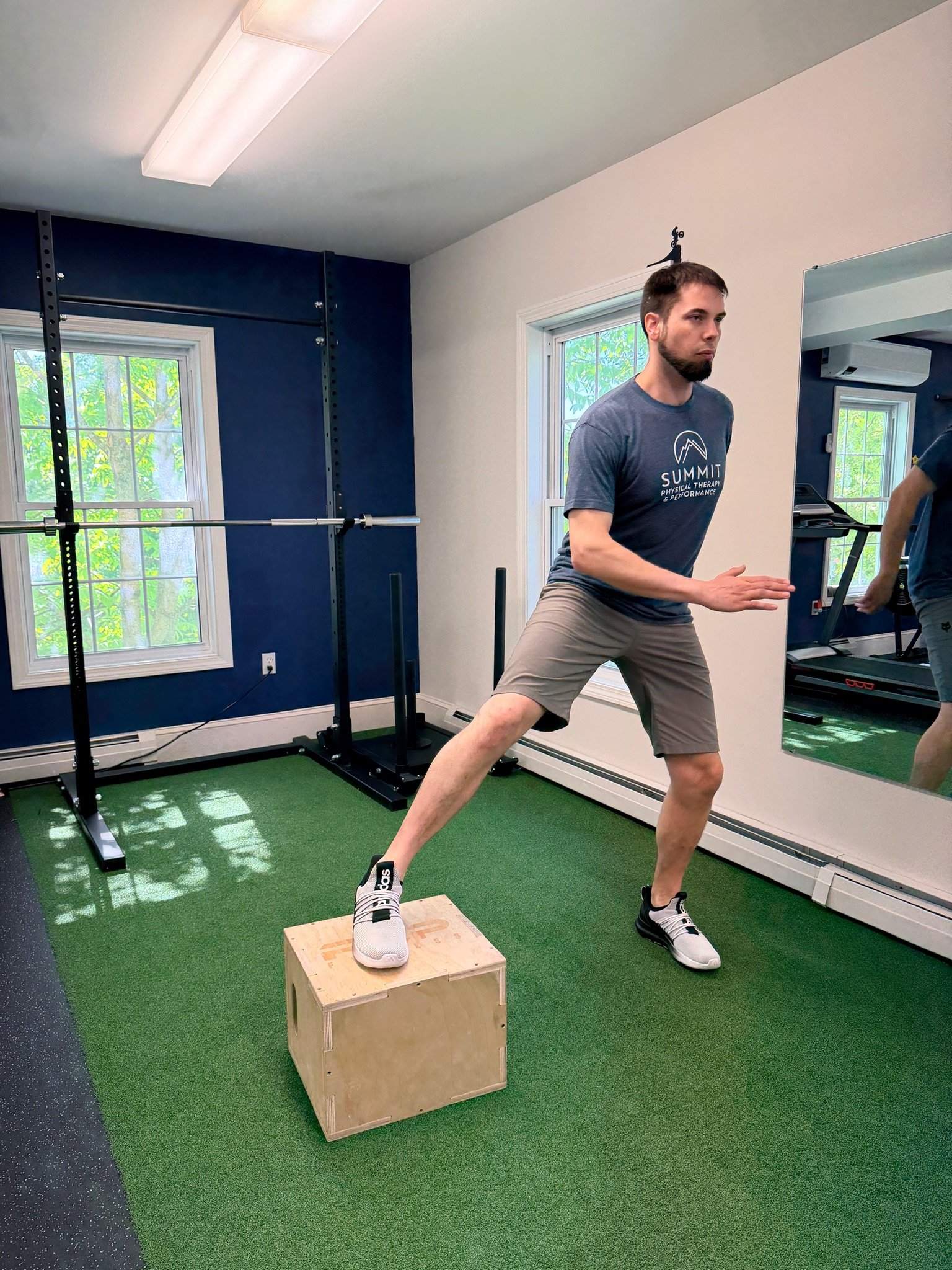
Calf Strain Recovery: How to Rebuild Strength and Return to Activity
Calf strains are common among runners, hikers, and active individuals, particularly during seasonal transitions when training volume increases. Effective calf strain treatment involves progressive strengthening, restoring mobility, addressing running mechanics, and gradually returning to activity. By focusing on long-term tissue capacity rather than simply eliminating pain, athletes can return to training stronger and more resilient.
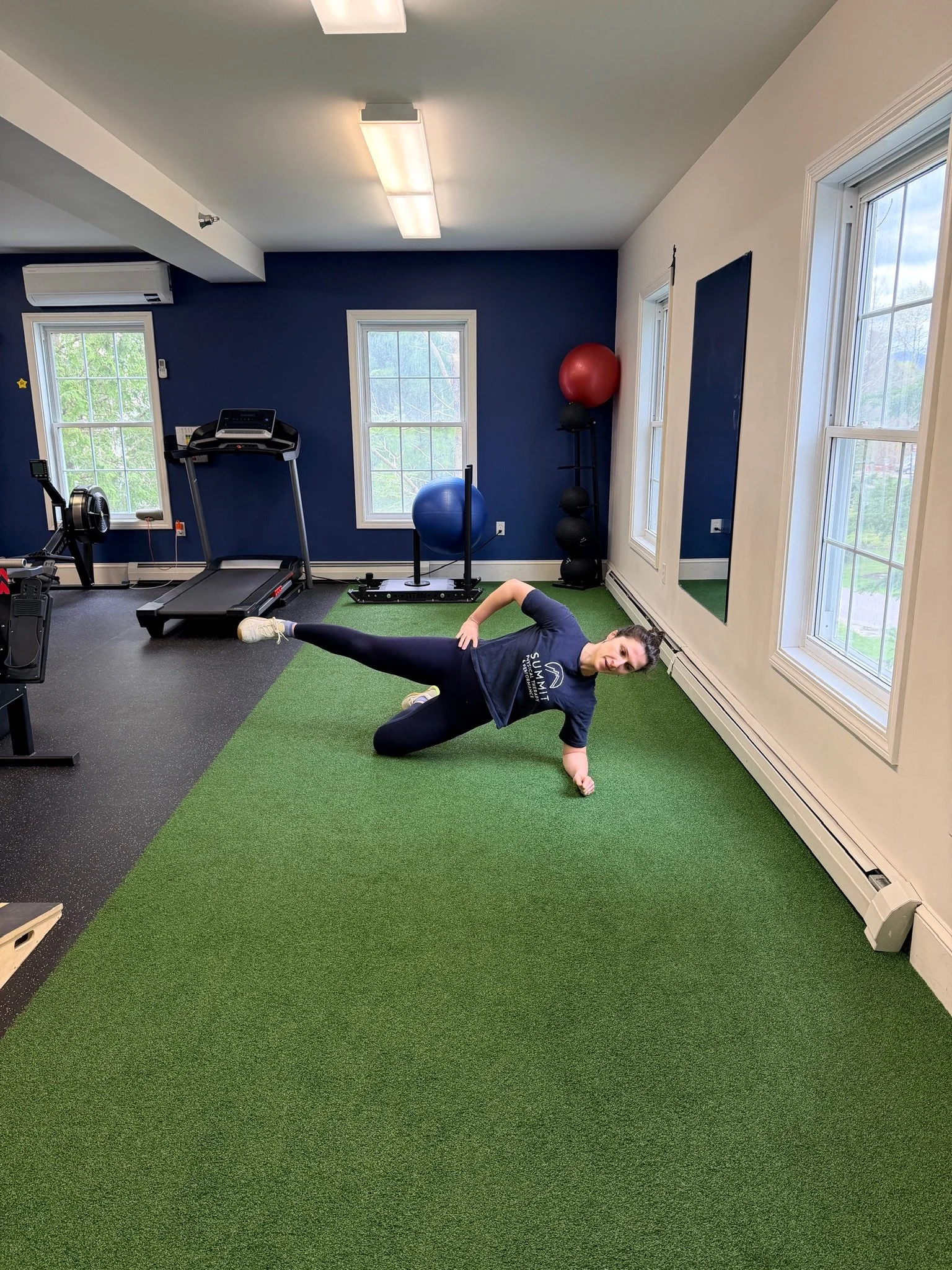
What to Expect During Your First Physical Therapy Session at Summit
Your first physical therapy session at Summit Physical Therapy and Performance is designed to provide clarity, confidence, and a personalized plan for recovery. Through a detailed evaluation, movement assessment, education, and individualized treatment strategy, you'll leave with a clear understanding of your condition and the next steps toward your goals.
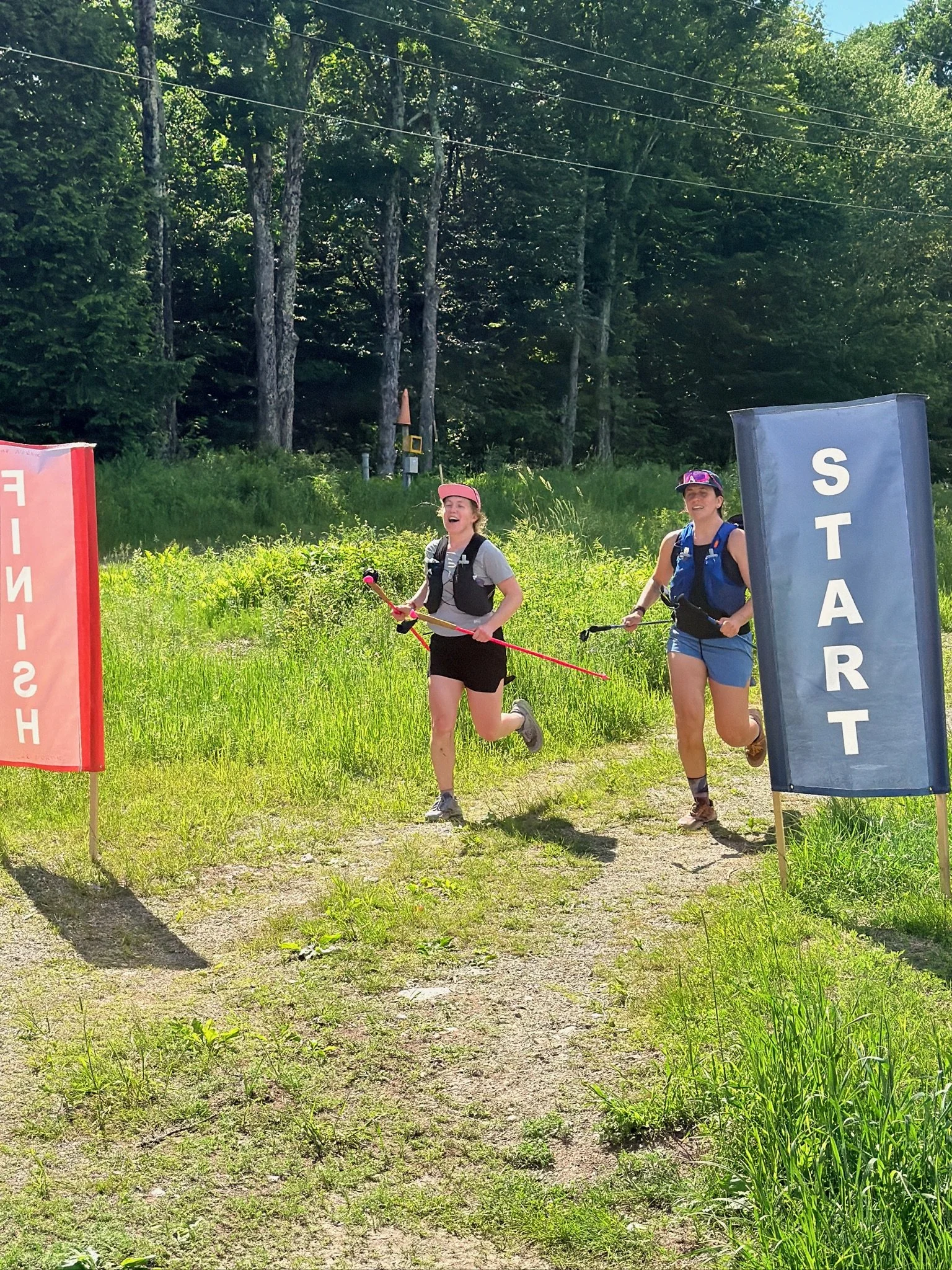
How to Reduce Risk of Knee Pain While Hiking and Trail Running
Knee pain is one of the most common running injuries affecting hikers and trail runners during spring and summer. Building strength, improving running mechanics, managing training load, and prioritizing recovery can help reduce injury risk and support long-term performance on the trail.
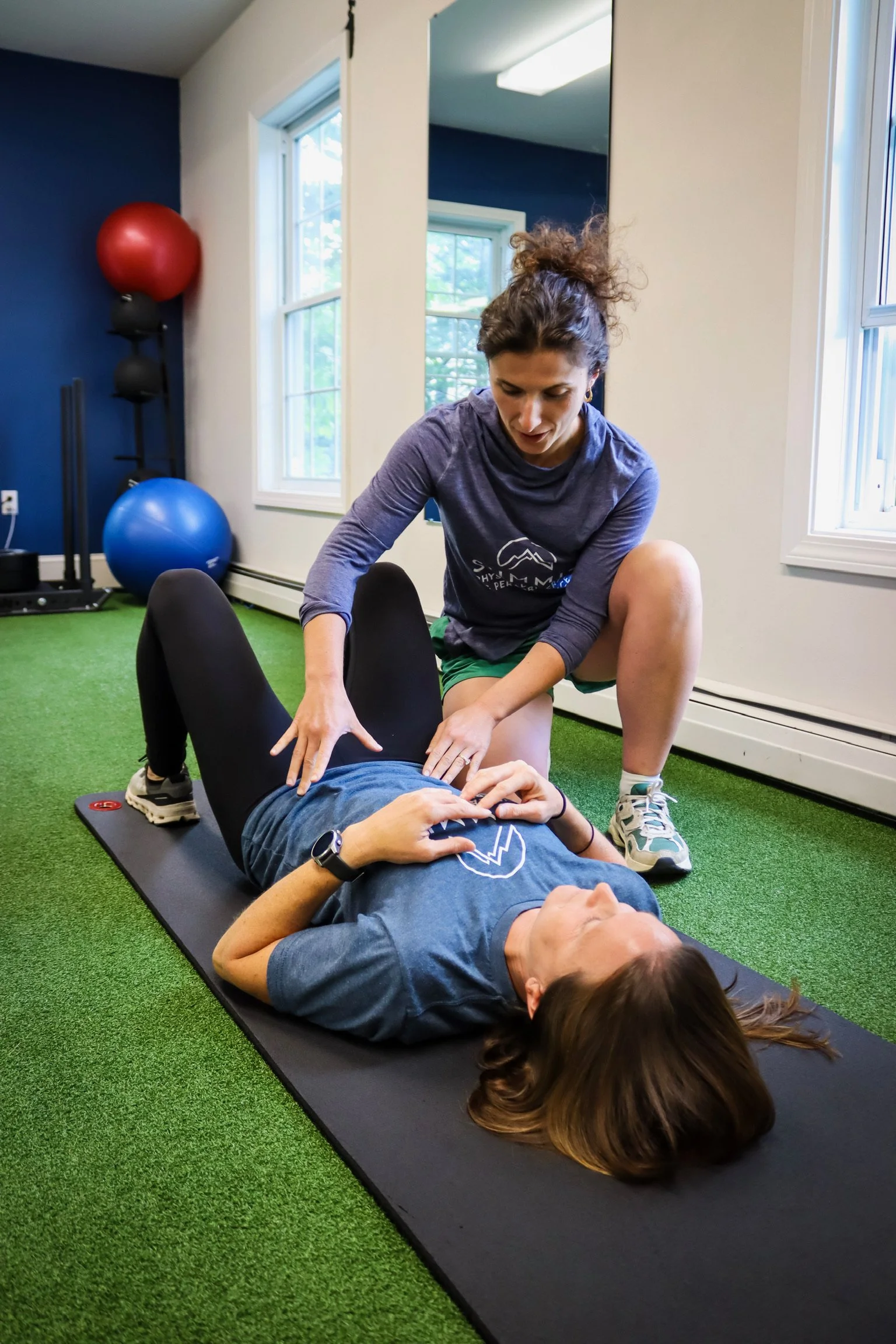
Pelvic Floor Therapy for Runners: Why It Matters More Than You Think
The pelvic floor plays an important role in running performance, stability, and force management. Symptoms such as urinary leakage, pelvic pressure, hip pain, or persistent core weakness may indicate underlying pelvic floor dysfunction. Through individualized pelvic floor physical therapy, runners can improve function, stay active, and build a stronger foundation for long-term performance.
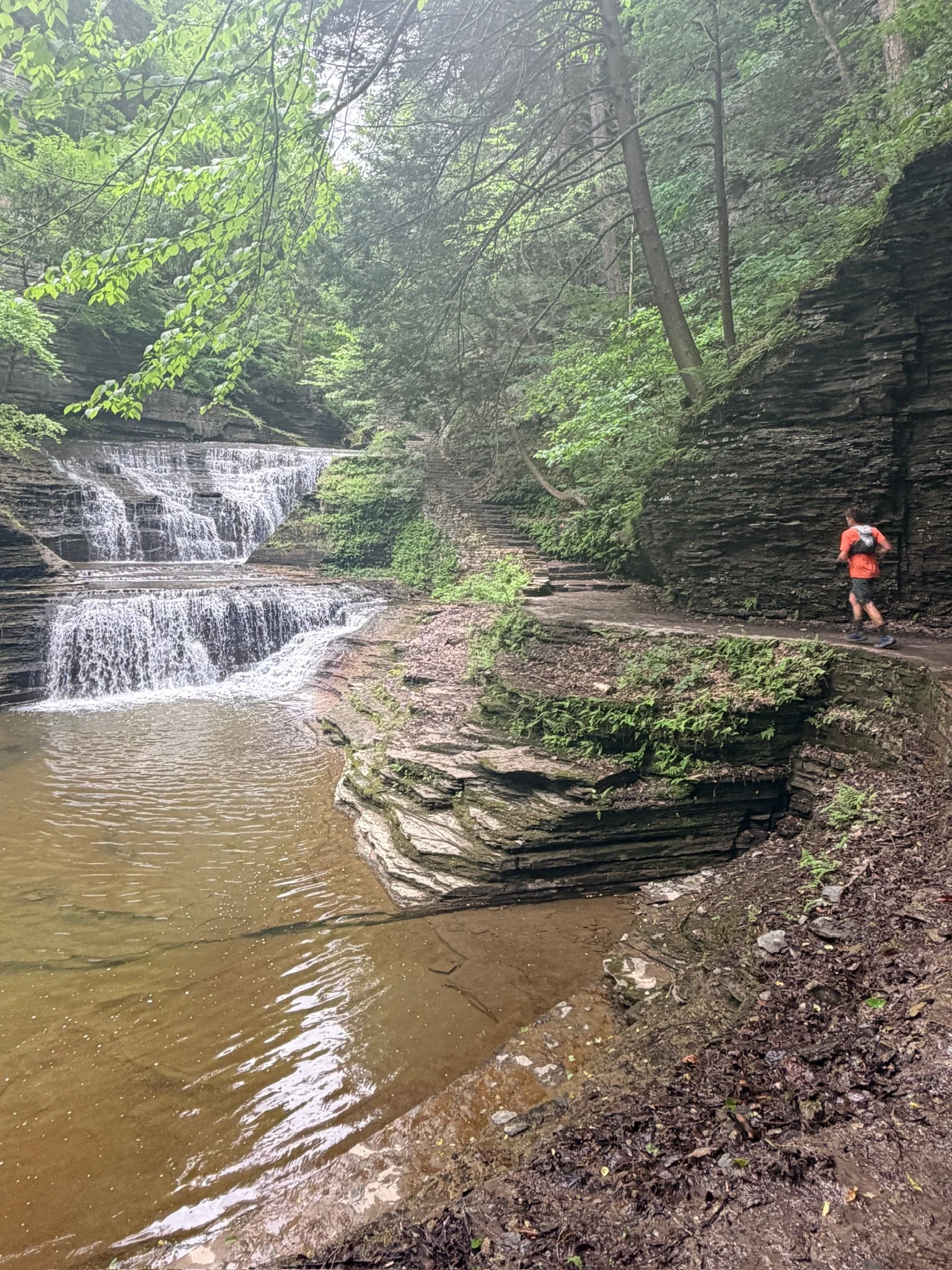
Building Endurance for Trail Season: A Strength-Based Approach
If you're wondering how to increase stamina and endurance for trail season, strength training should be part of the conversation. Developing endurance requires more than cardiovascular fitness alone. By combining aerobic training with functional strength training, trail runners and hikers can improve efficiency, reduce injury risk, and build the resilience needed for long days in the mountains.
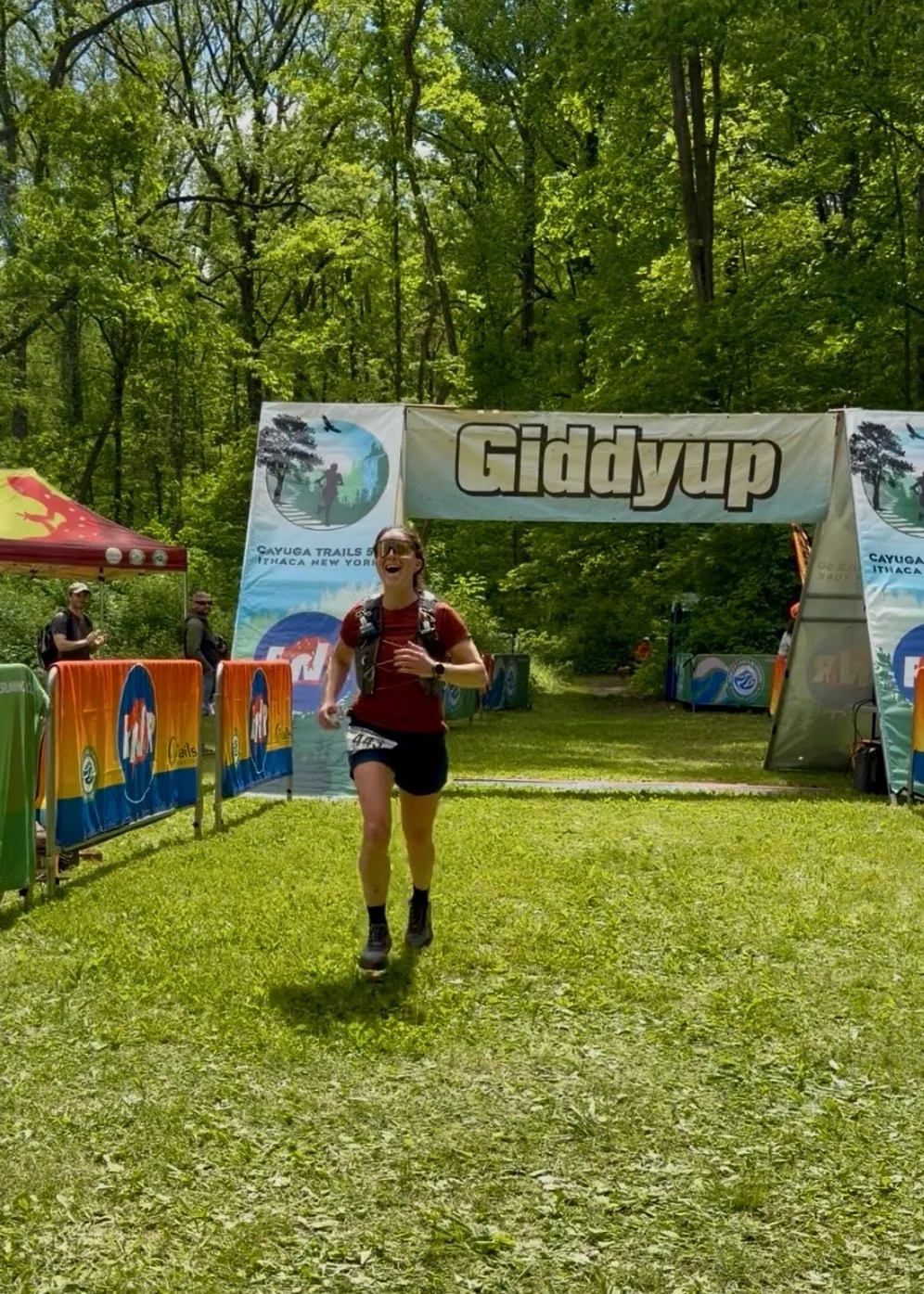
Returning to Running After Injury: How to Rebuild Safely
Recover from common running injuries safely with expert guidance on running mechanics, strength training, and gradual return-to-running strategies that support long-term performance.
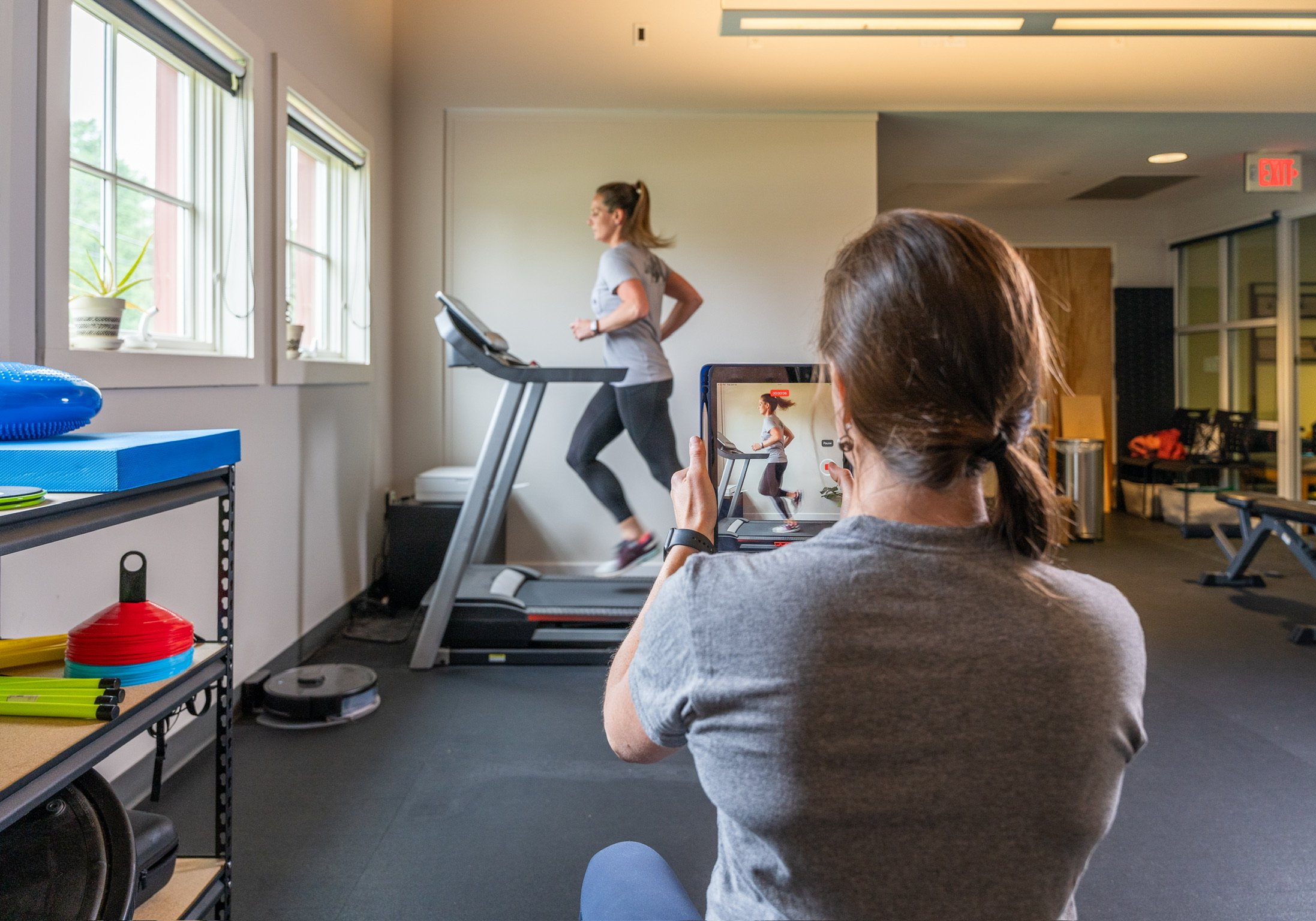
Book Your Personalized Running Gait Analysis Assessment at Summit Physical Therapy
Looking for a running gait analysis near me? Book your personalized assessment at Summit Physical Therapy to improve performance, reduce pain, and prevent injuries.
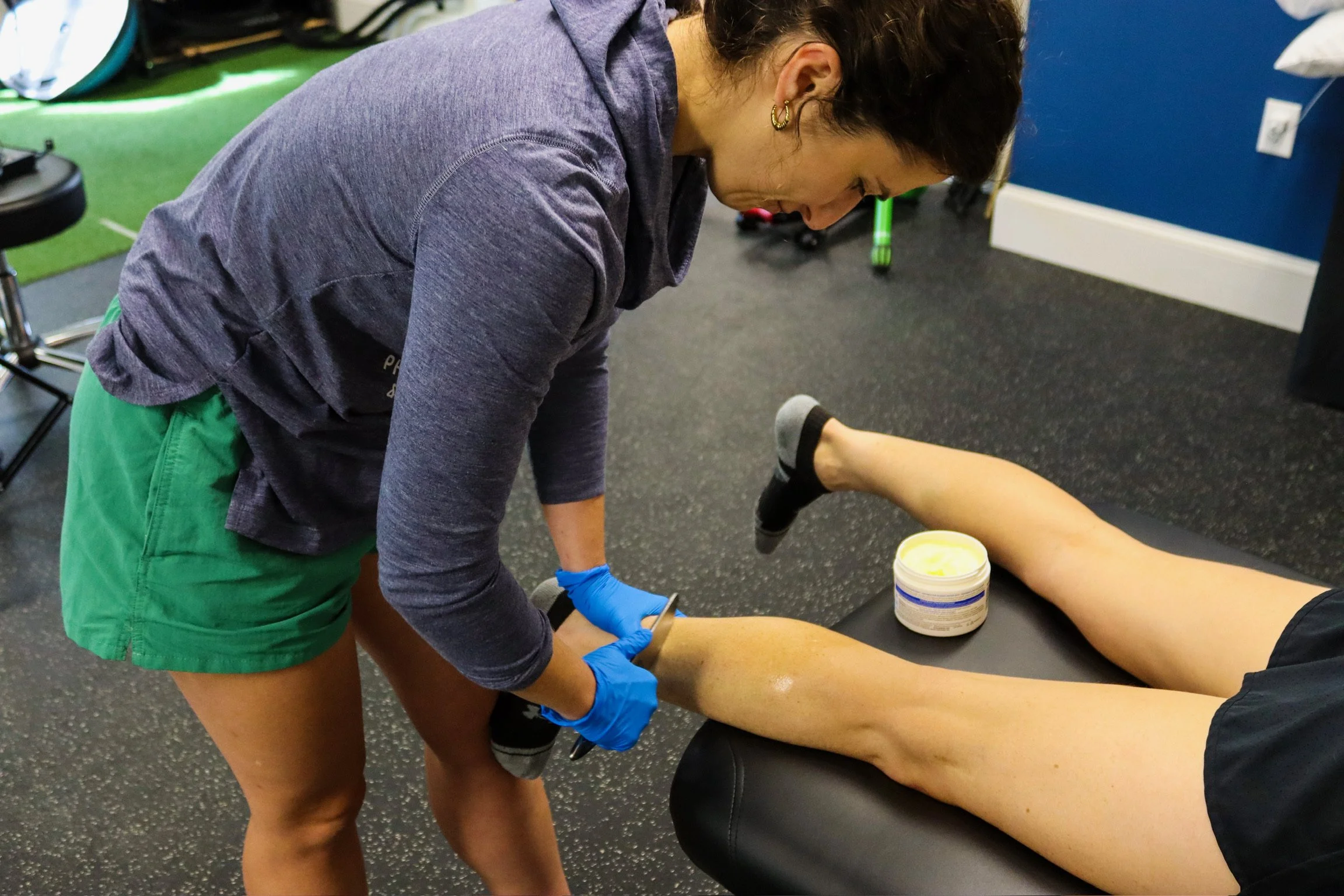
Plantar Fasciitis: Causes, Treatment, and Prevention
Discover effective plantar fasciitis treatment, causes, and prevention strategies. Learn how to relieve heel pain and recover faster with expert guidance.
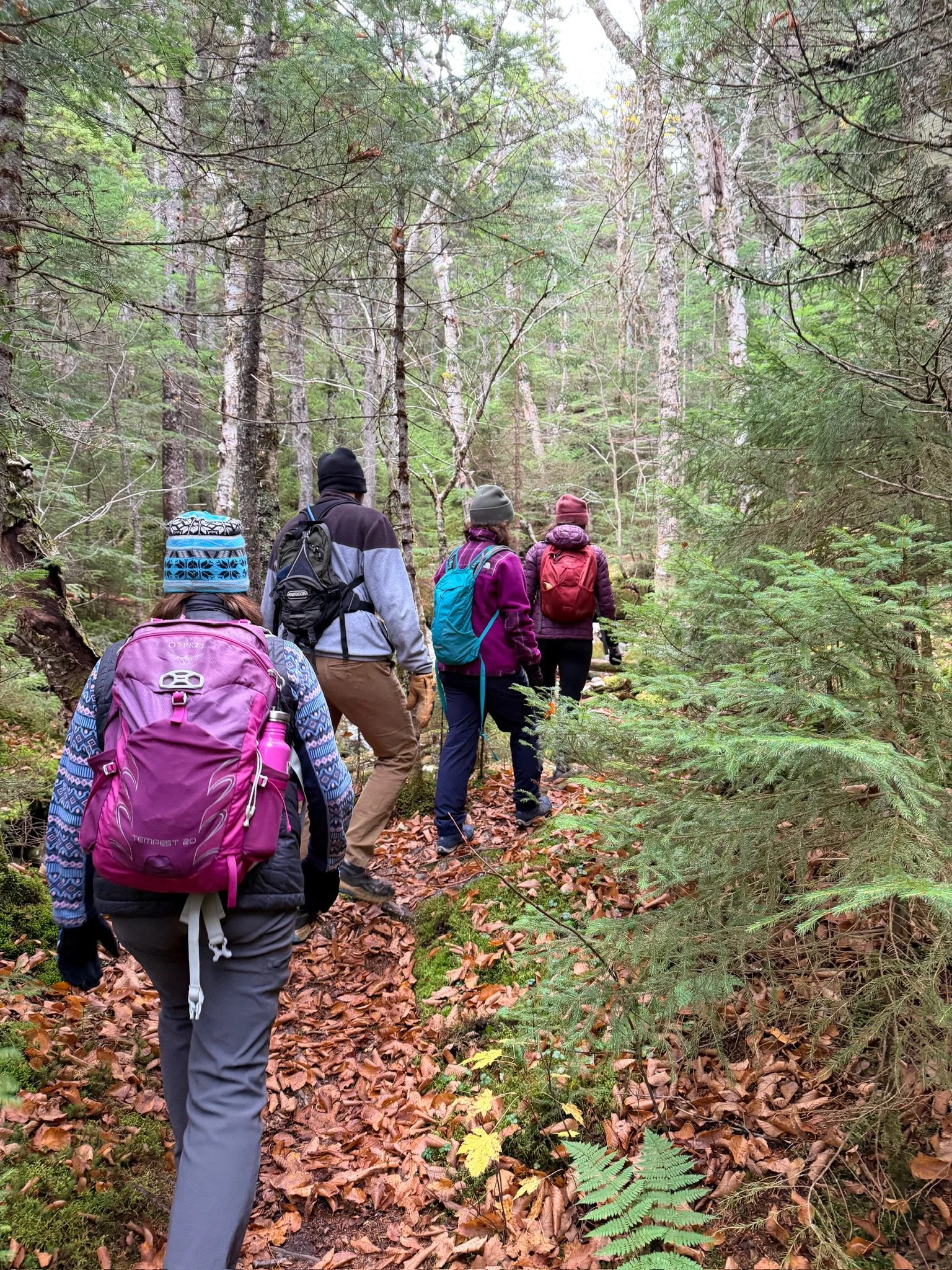
Spring Conditioning: From Ski to Trail
Transition from ski season to trail season with expert strength-and-conditioning strategies. Learn how to reduce injury risk, build endurance, and optimize performance this spring.
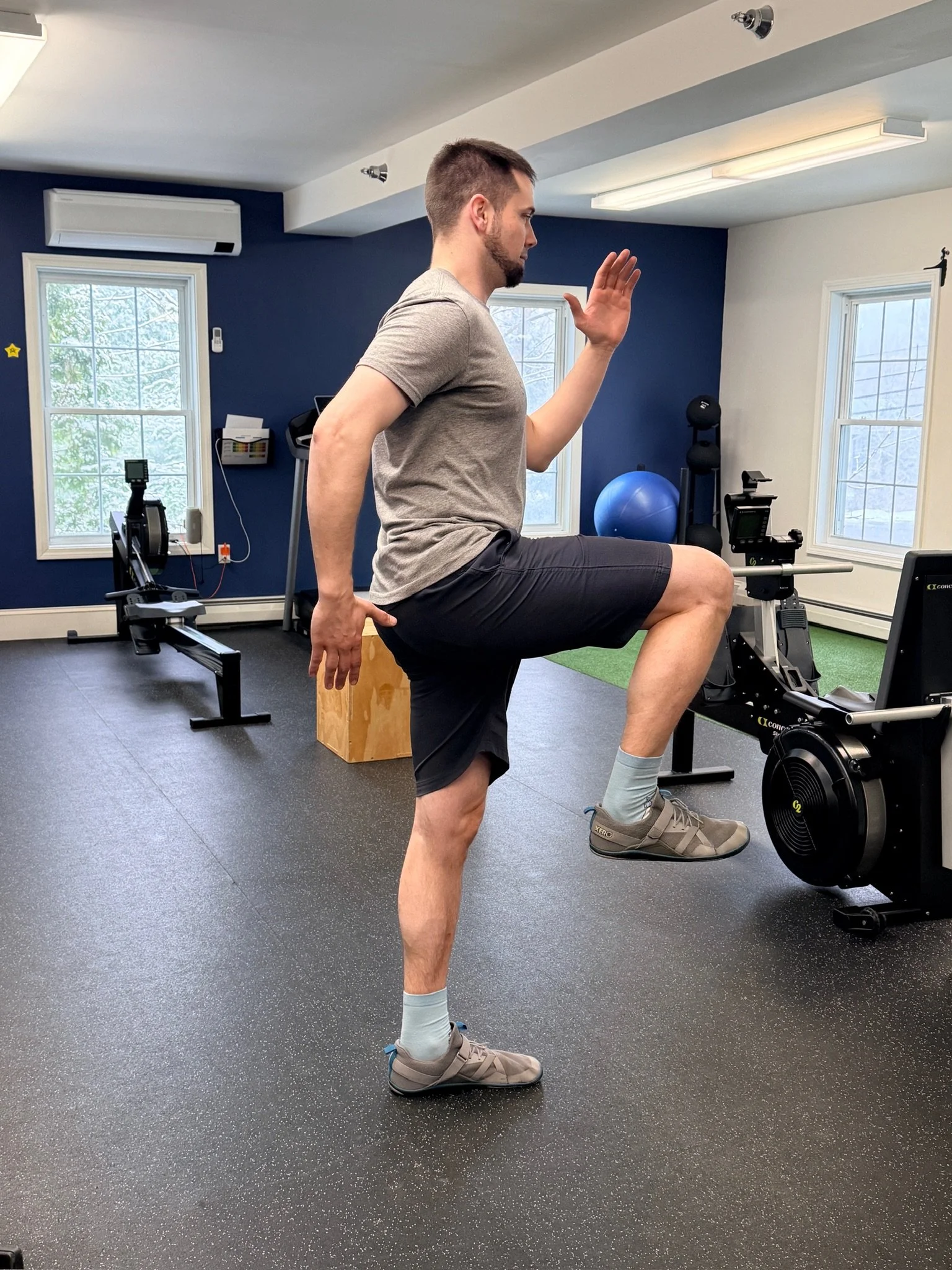
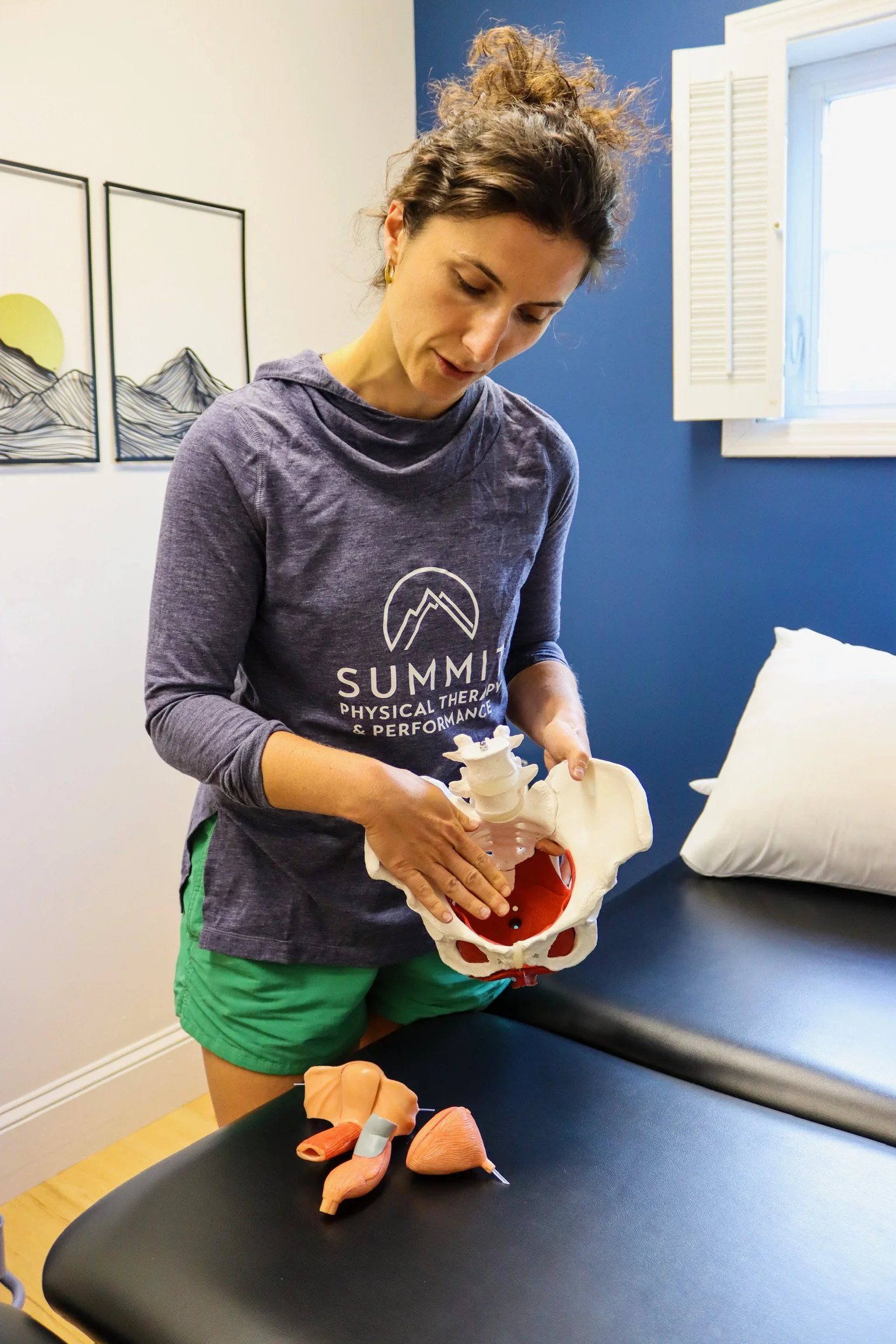
How to Tell if Your Pelvic Floor Is Weak or Tight
Knowing how to tell if your pelvic floor is tight or weak can help you avoid doing exercises that may worsen symptoms and instead focus on strategies that support proper muscle function. A healthy pelvic floor is both strong and able to relax, and restoring that balance often requires individualized guidance and progressive training rather than a one-size-fits-all approach.
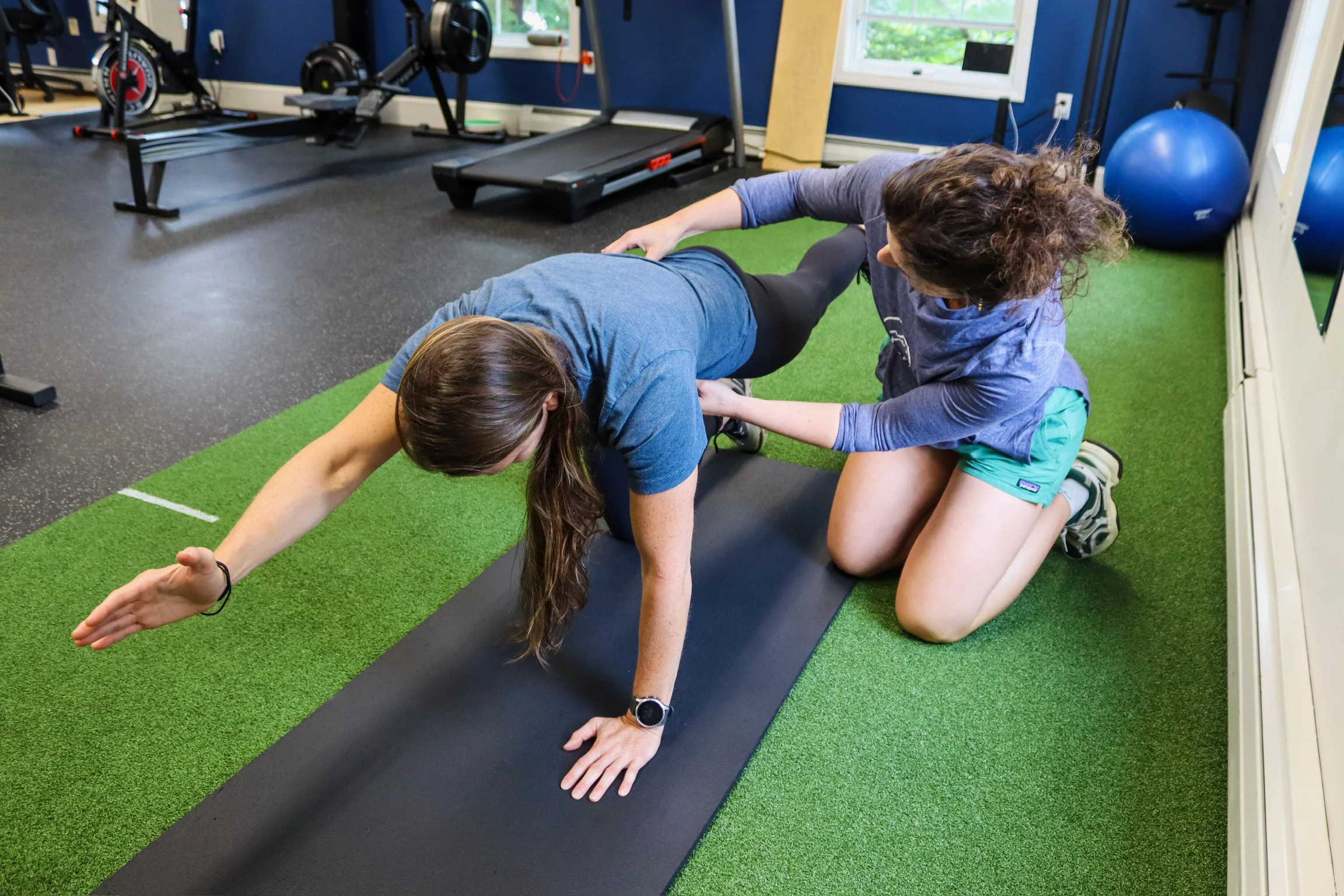
Core Stability for Better Balance on the Slopes
Core stability is a critical component of ski performance that supports balance, posture, and control across a wide range of terrain. Through consistent functional strength training, skiers can build the trunk strength and endurance needed to stay centered, react more effectively to terrain changes, and maintain efficient technique throughout long days on the mountain.
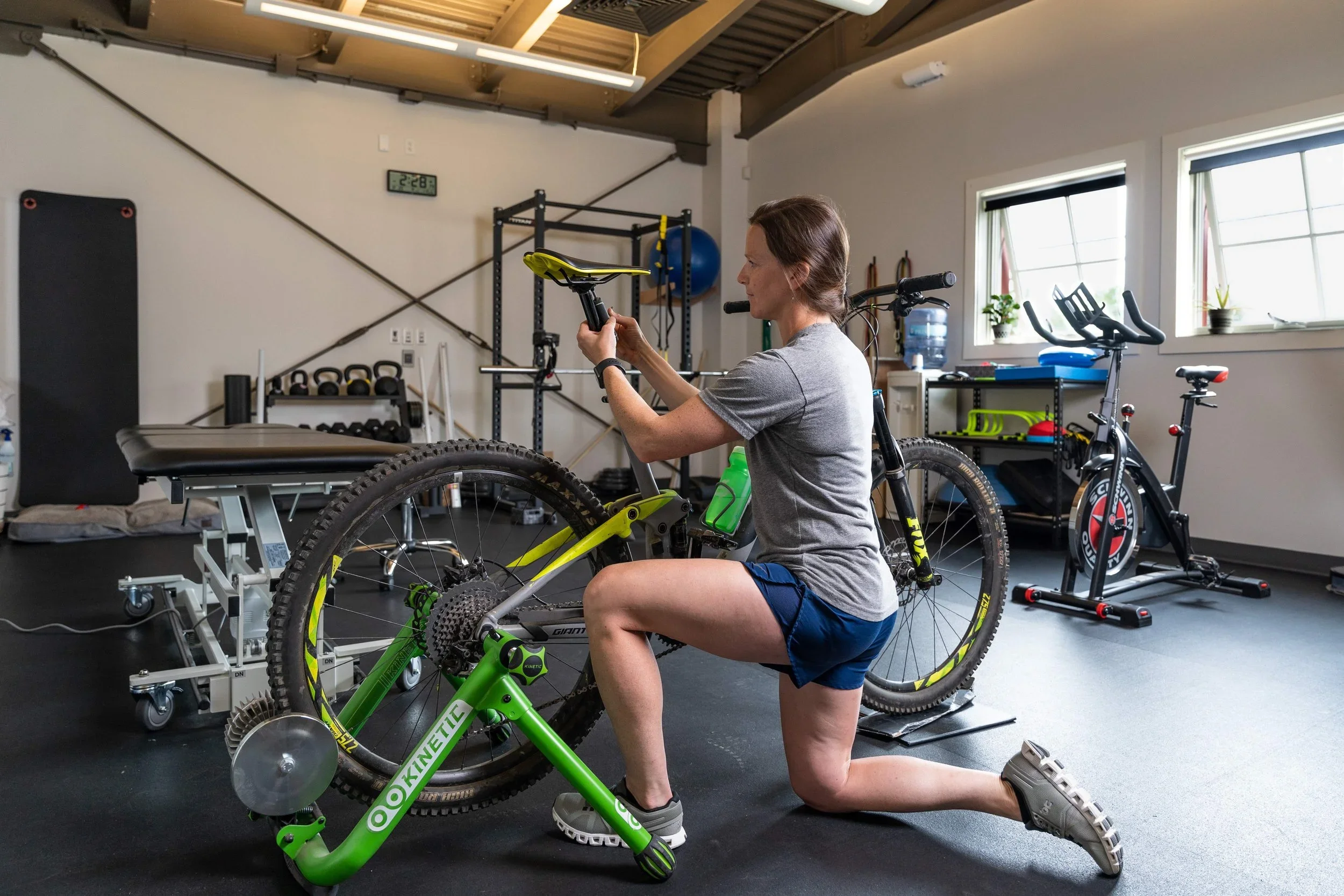
Schedule Your Bike Fit Before Cycling Season: Why Searching “Bike Fitters Near Me” Now Matters
Searching bike fitters near me? Schedule your fit before cycling season to improve power, comfort, and reducing risk as mileage increases.
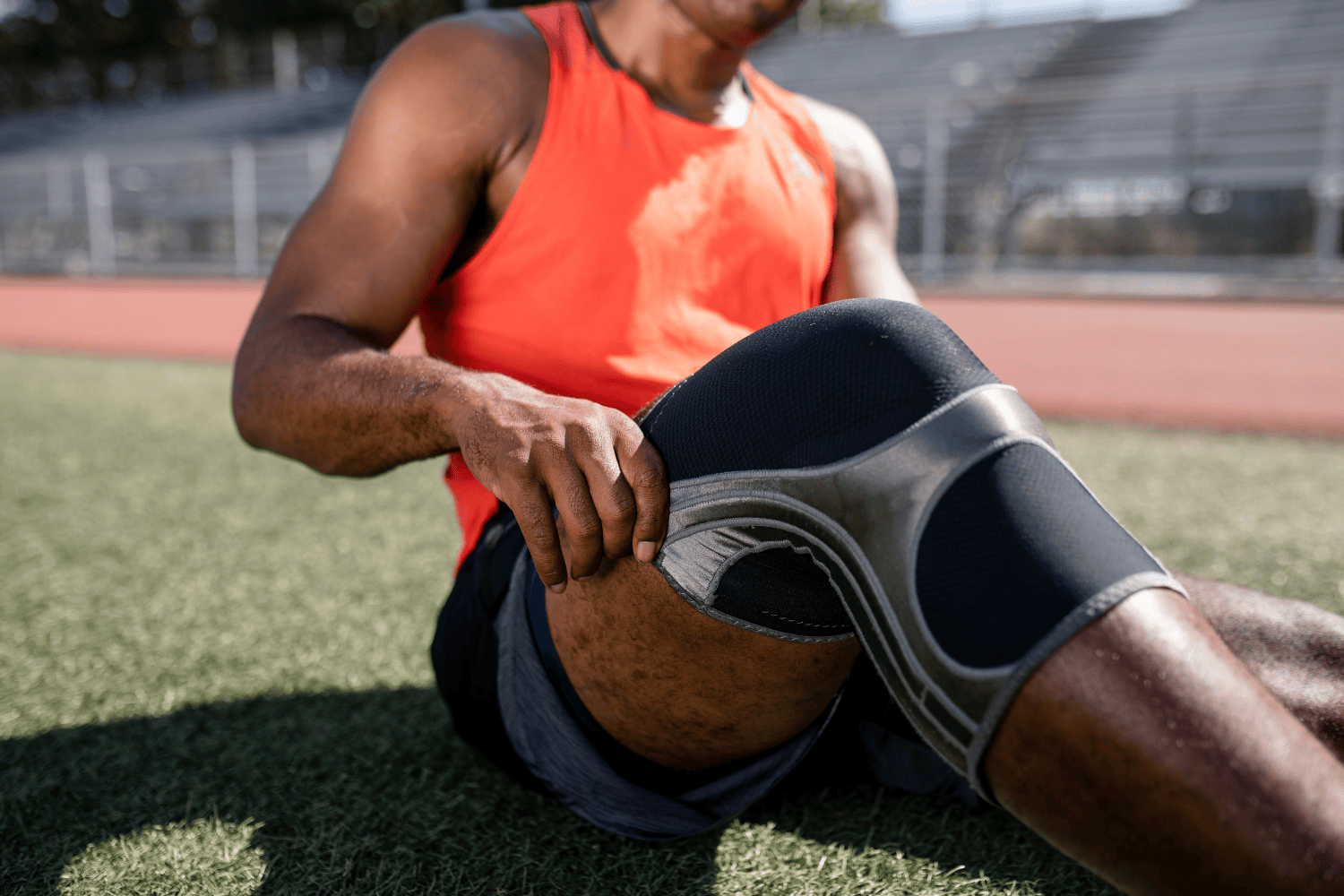
Meniscus Tear Recovery: What To Expect
Meniscus tear recovery varies based on tear type, treatment choice, and athletic demands. Non-surgical cases may improve within weeks, while meniscus repair requires several months of structured progression. Long-term knee health depends on strength, movement control, and gradual return to mountain sport.