
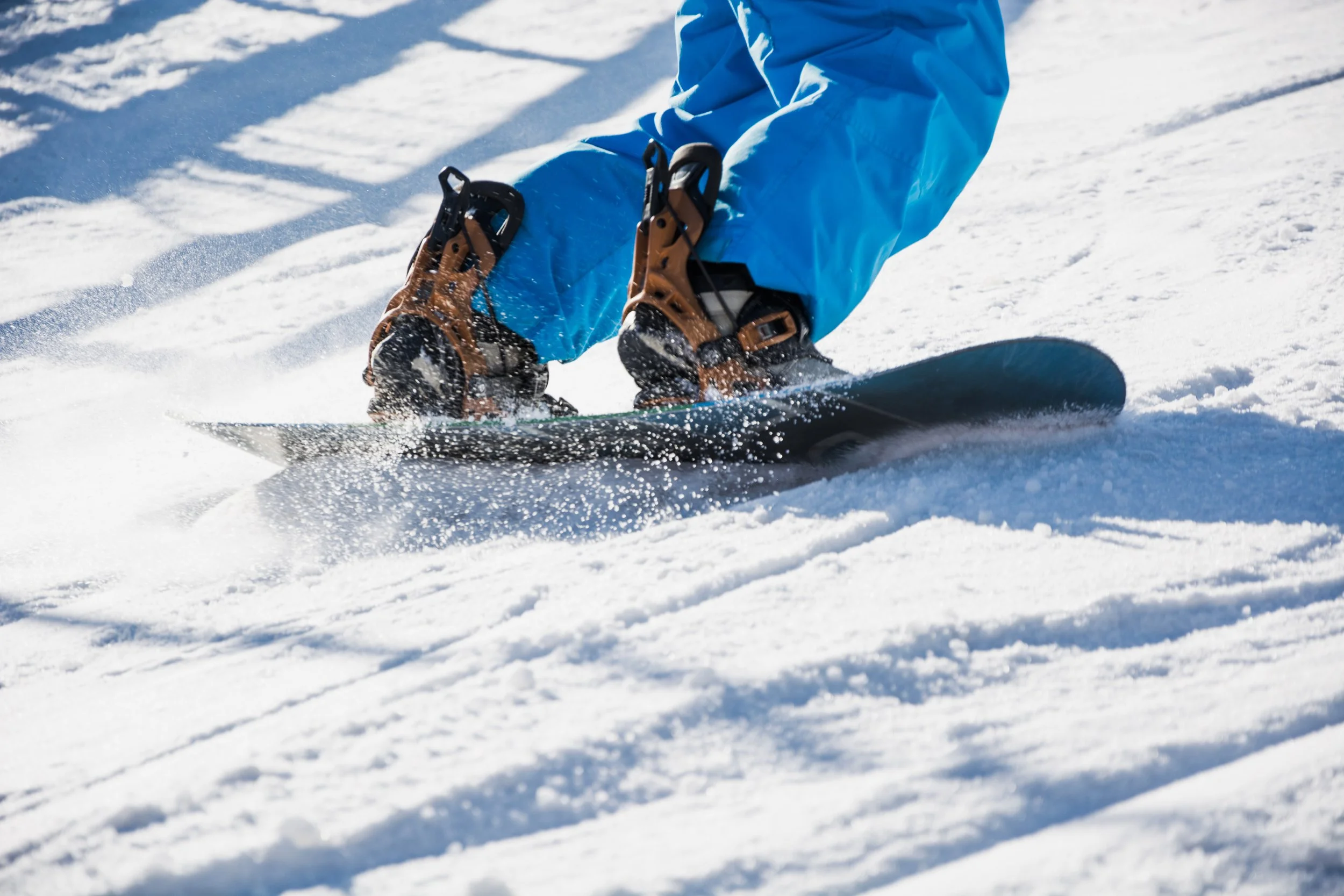
Snowboard Injury Treatment in Stowe, Vermont
Performance-based snowboard injury treatment for riders serving Stowe, Morrisville, Waterbury, and surrounding communities.
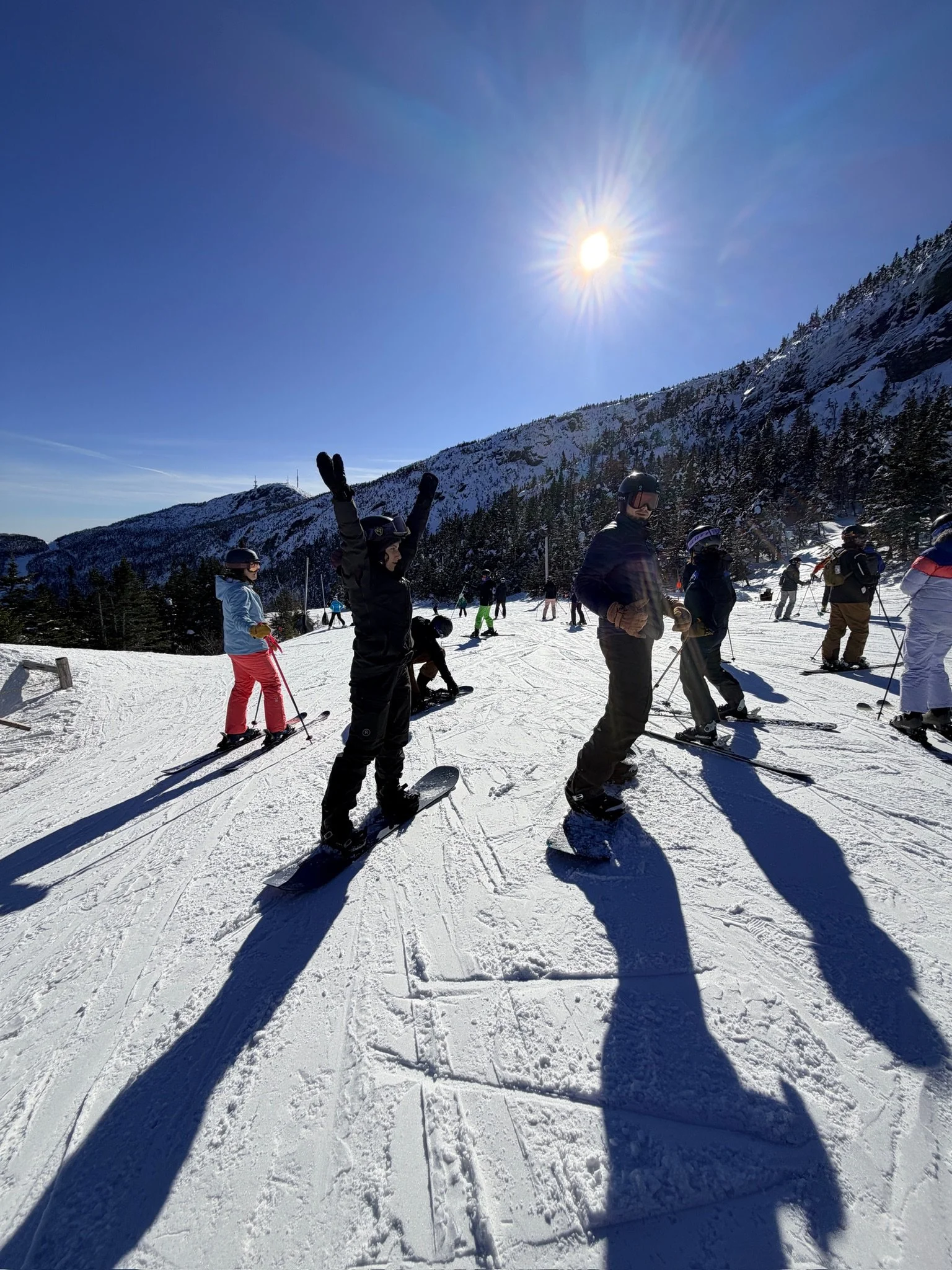
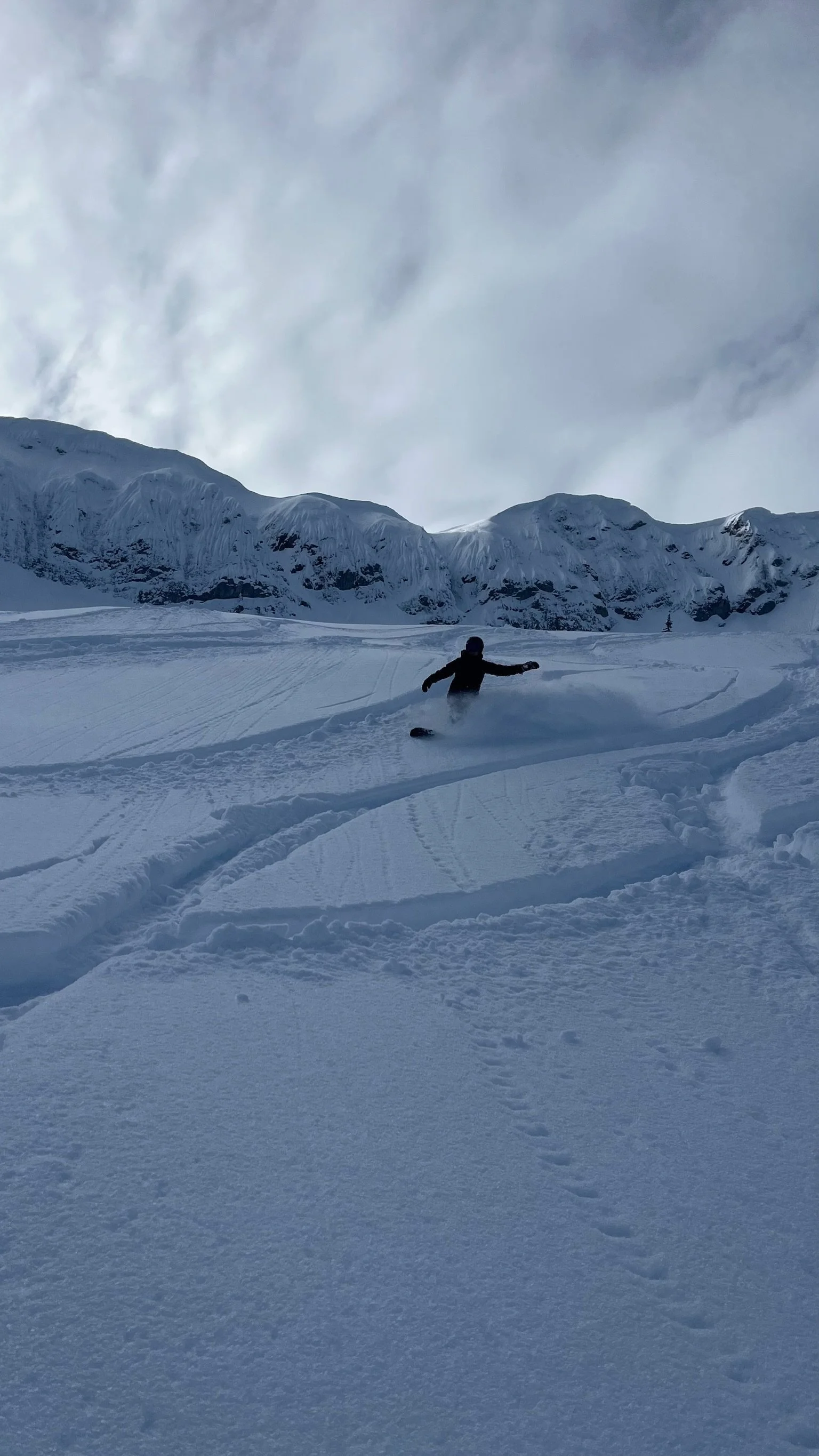
Snowboarding injuries tend to look different from skiing injuries — a hand or wrist braced against a fall, a shoulder that takes the impact instead, an ankle that twists awkwardly in a boot and binding built for a different kind of motion.
At Summit PT, snowboard injury treatment is built around how riders actually fall and load their bodies on the mountain — the twisting, the outstretched-hand catches, the toe-side and heel-side edge falls that stress the wrist, shoulder, and ankle in different ways than skiing does.
Effective treatment starts with understanding exactly what happened on the hill and what your body needs to get back on the board.
Why Snowboard Injuries Happen
Most snowboard injuries happen during a fall, and where the impact lands often depends on how a rider falls.
Common contributing factors include:
bracing a fall with an outstretched hand, which is why wrist fractures are one of the most common snowboarding injuries
landing directly on the shoulder or striking it during a fall
ankle sprains and instability from the twisting motion of a board strapped to both feet
fatigue late in the day, when falls become more frequent and less controlled
limited rotational core and hip strength, which affects control on toe-side and heel-side turns.
Beginners are especially prone to wrist and shoulder injuries while still learning to fall safely, while more experienced riders more often deal with overuse patterns in the ankles and lower back.
How Physical Therapy Helps After a Snowboard Injury
A brace, a sling, or simply waiting it out might feel like the only option after a wrist or shoulder injury, but recovering strength and control takes more than time alone.
Physical therapy for snowboard injuries focuses on restoring strength and mobility specific to the injury — grip and wrist loading after a fracture or sprain, shoulder stability after an impact, or ankle control and balance after a twist.
Rather than simply waiting for pain to resolve, we help you rebuild the strength and confidence needed to ride, fall safely, and get back up without hesitation.
The goal isn't just healing the injury. It's making sure you're not more vulnerable to the next fall.
Don’t just take our word for it
SEE WHAT ONE OF OUR CLIENTS HAS TO SAY…

At Summit PT, treatment is built around the specific demands of endurance athletes.
The Summit Approach to Snowboard Injury Treatment
Early priorities include:
identifying the specific structures involved and how irritable they currently are
restoring pain-free grip strength and wrist mobility after a fall or fracture
rebuilding shoulder stability and overhead strength after an impact
improving ankle control and balance for riders dealing with instability
A structured return-to-riding plan matched to your injury and your season goals.
We also address common misconceptions. A wrist fracture doesn't always mean surgery. Shoulder pain after a fall isn't always a sign of a torn rotator cuff. And time in a brace or sling should be followed by a rebuilding phase, not just a return to riding.
Our focus is reducing risk, rebuilding strength, and getting you back on the board with confidence.
Serving Patients Across Nearby Vermont Communities
In addition to Stowe, Summit Physical Therapy regularly works with patients from Waterbury, Morrisville, Hyde Park, Cambridge, Jeffersonville, and surrounding Vermont communities. Many people travel to Stowe for specialized physical therapy care that supports an active lifestyle, outdoor recreation, and long-term movement goals.
What to Expect at Your First Visit
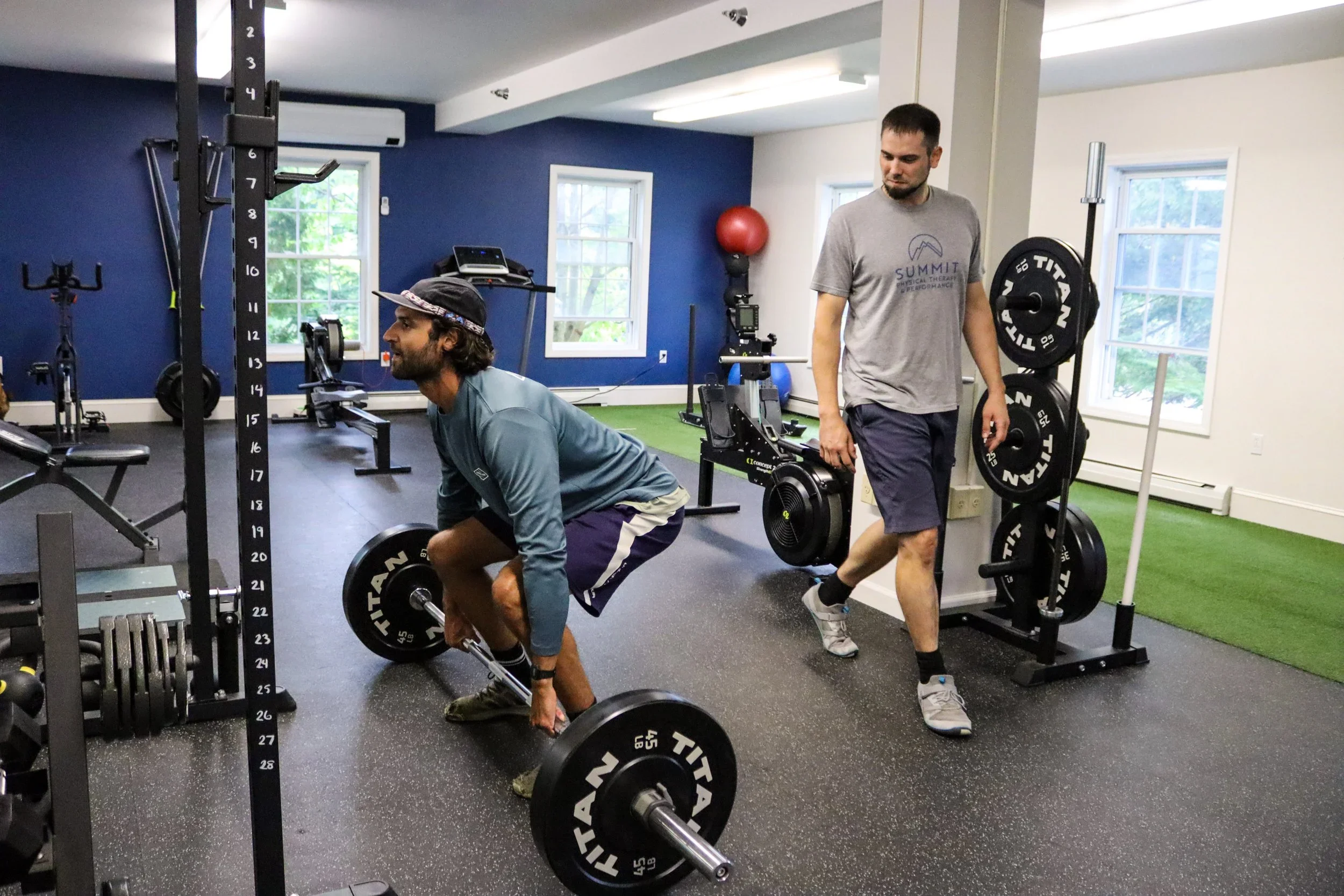
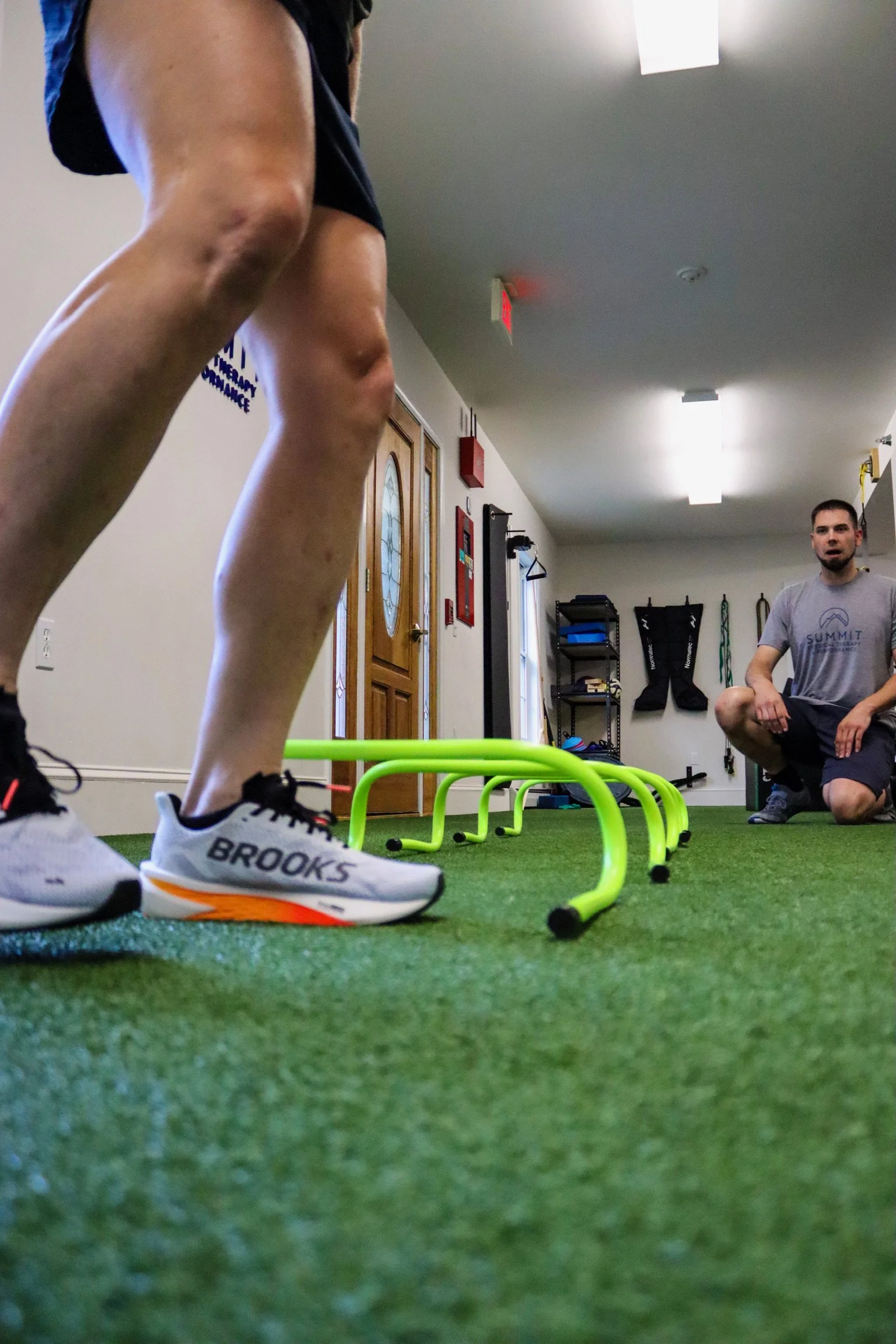
Your first visit begins with a detailed discussion of your symptoms, training history, and goals. We assess strength, mobility, running-related movement patterns, and factors that may be contributing to your symptoms.
You will leave your first session with:
A clear understanding of what is driving your symptoms
Guidance on training modifications when needed
Targeted exercises specific to your presentation
A structured progression plan for returning to running
You should leave knowing exactly what steps will move you toward consistent training again.
How it Works
OUR PROCESS
01
We want to make sure we are the best fit to help you reach your goals. This free 15 minute phone call can be scheduled through the link above, or just give us a call!
Free Discovery Call
02
Initial Evaluation
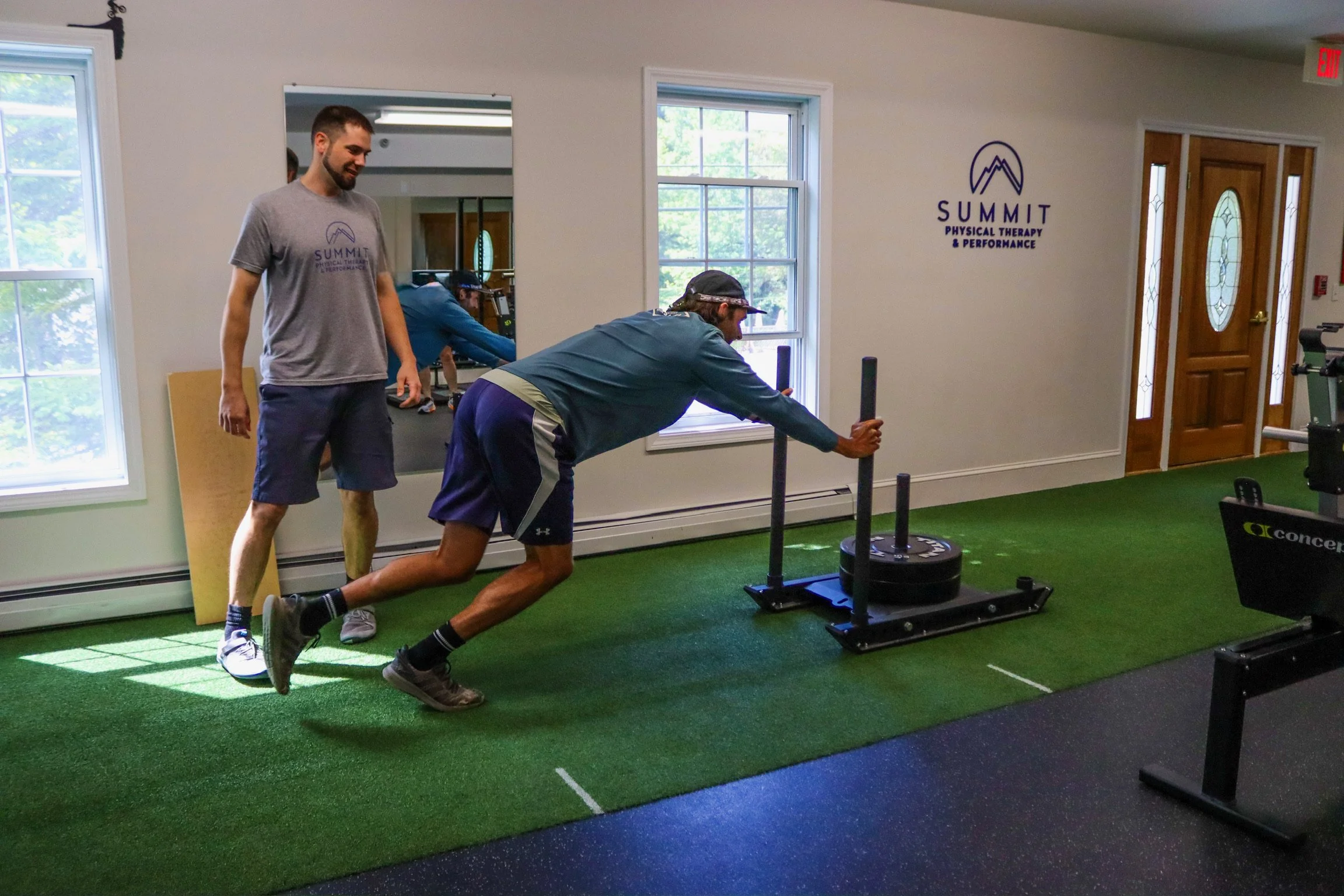
Meet 1 on 1 with a provider who will take you through a series of strength and mobility testing to determine the root cause of your problem.
03
Plan of Care
You and your provider will determine the best course of action to solve your problem and get you back to activity as quickly as possible.
Who This Is a Strong Fit For
This approach works particularly well for:
riders recovering from a wrist fracture or sprain from a fall
anyone dealing with shoulder pain or instability after an impact
riders with recurring ankle instability from riding
beginners working on falling safely and building the strength to keep riding through a full season
If you're looking for performance-driven snowboard injury treatment instead of generic rest-and-brace advice, this model is designed for you.
Get Back on the Board
A fall doesn't have to keep you off the mountain for the rest of the season.
If you're recovering from a wrist, shoulder, or ankle injury from riding, Summit PT works with snowboarders throughout Stowe and surrounding communities to rebuild strength, control, and confidence.
Schedule your evaluation today and start building your way back to the board.
-
Not always. Many wrist sprains and even some fractures are managed without surgery, though a proper diagnosis is important before assuming either way.
-
Shoulder pain that lingers well beyond the initial fall is worth having evaluated, since it can reflect anything from a minor strain to something that benefits from a more structured rehab plan.
-
Ankle instability is often a strength and control issue rather than something that resolves on its own, and targeted balance and strengthening work can meaningfully improve it.
-
While we can't teach the technical skill of falling, building better strength, reaction time, and control can reduce how hard those falls land on your body.
-
Some of it is, but repeated hard falls in the same spots can point to balance or strength gaps that are worth addressing so the learning curve is less punishing.