
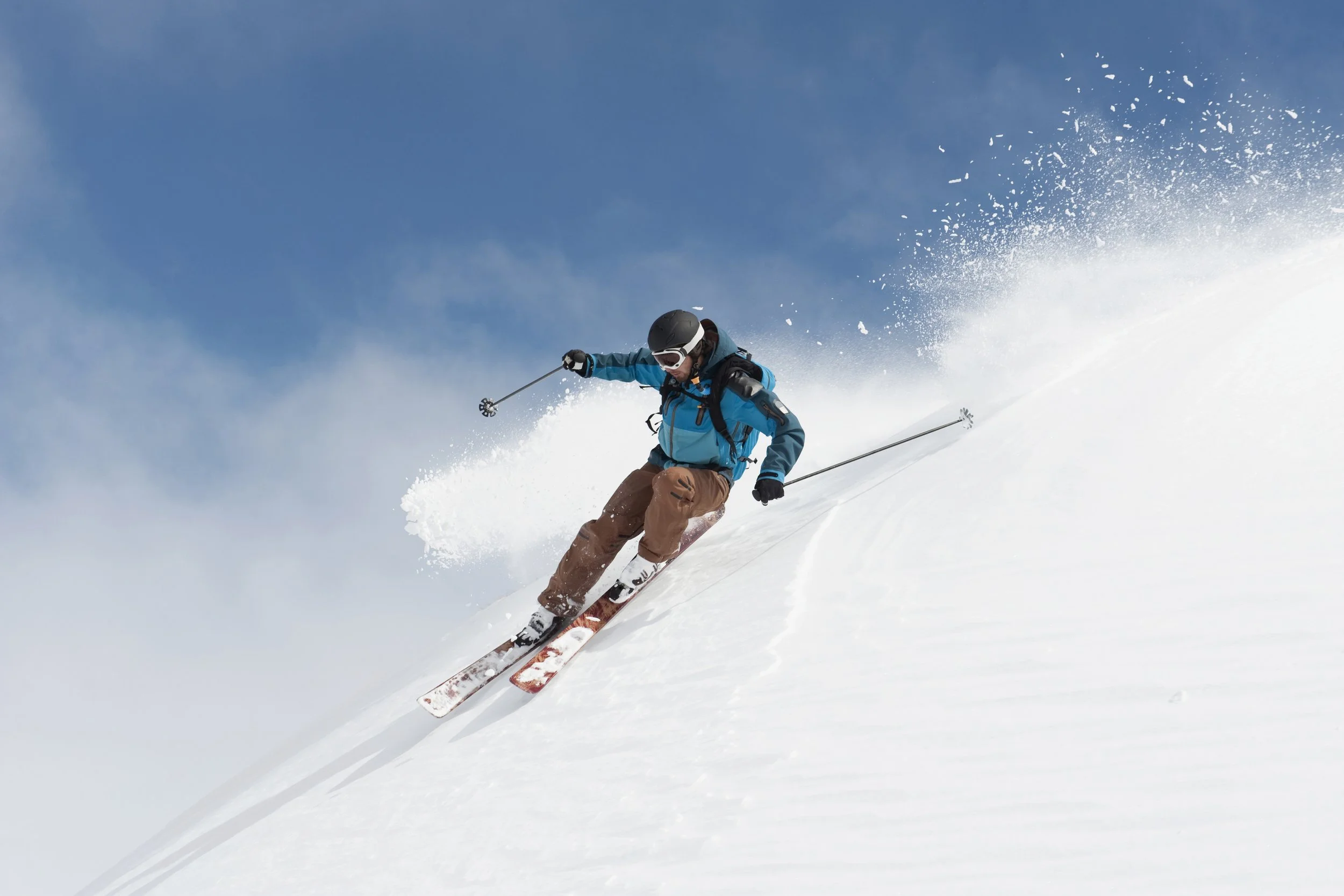
Skiing Injury Treatment in Stowe, Vermont
Performance-based skiing injury treatment for mountain athletes serving Stowe, Morrisville, Waterbury, and surrounding communities.
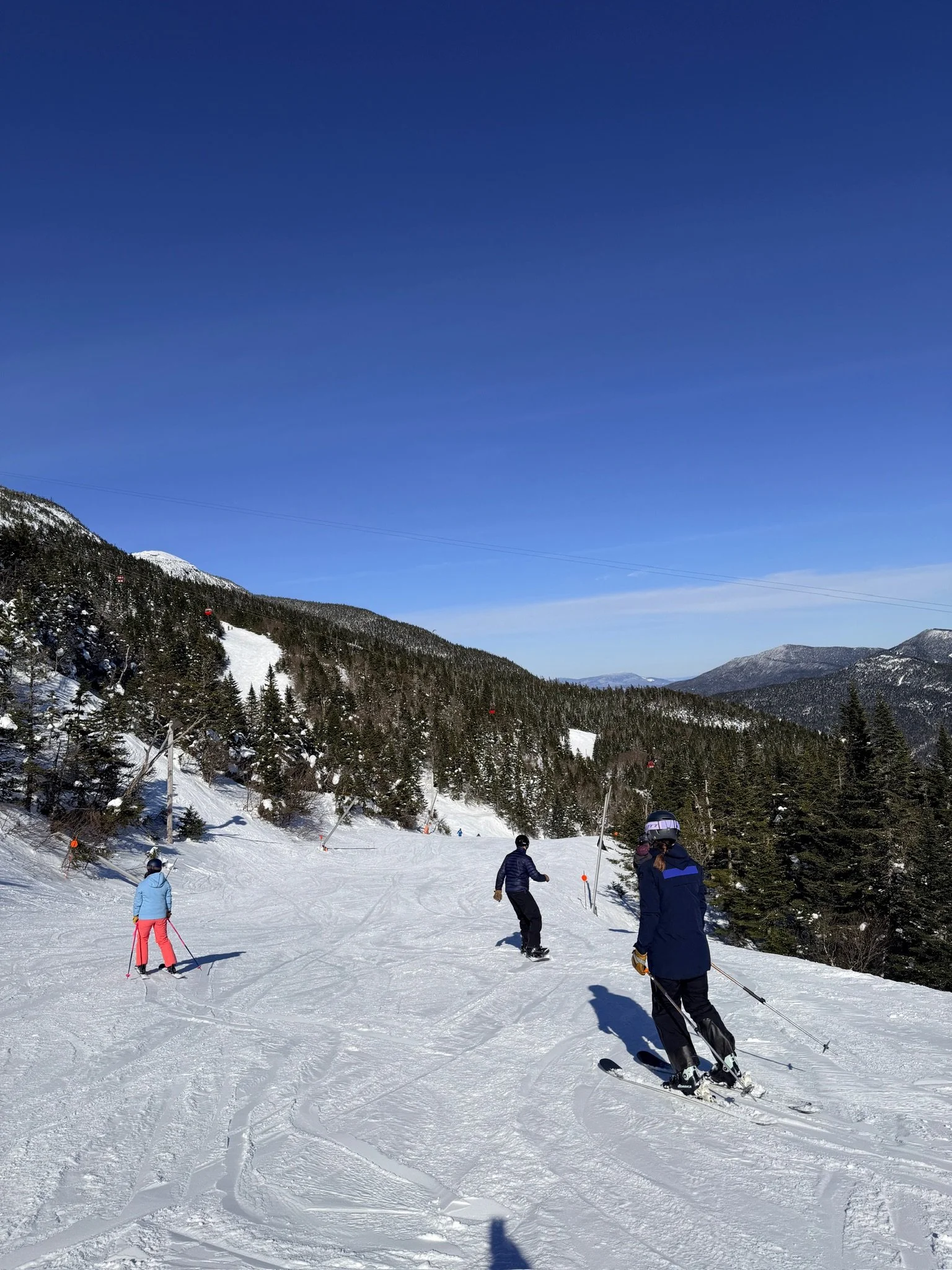
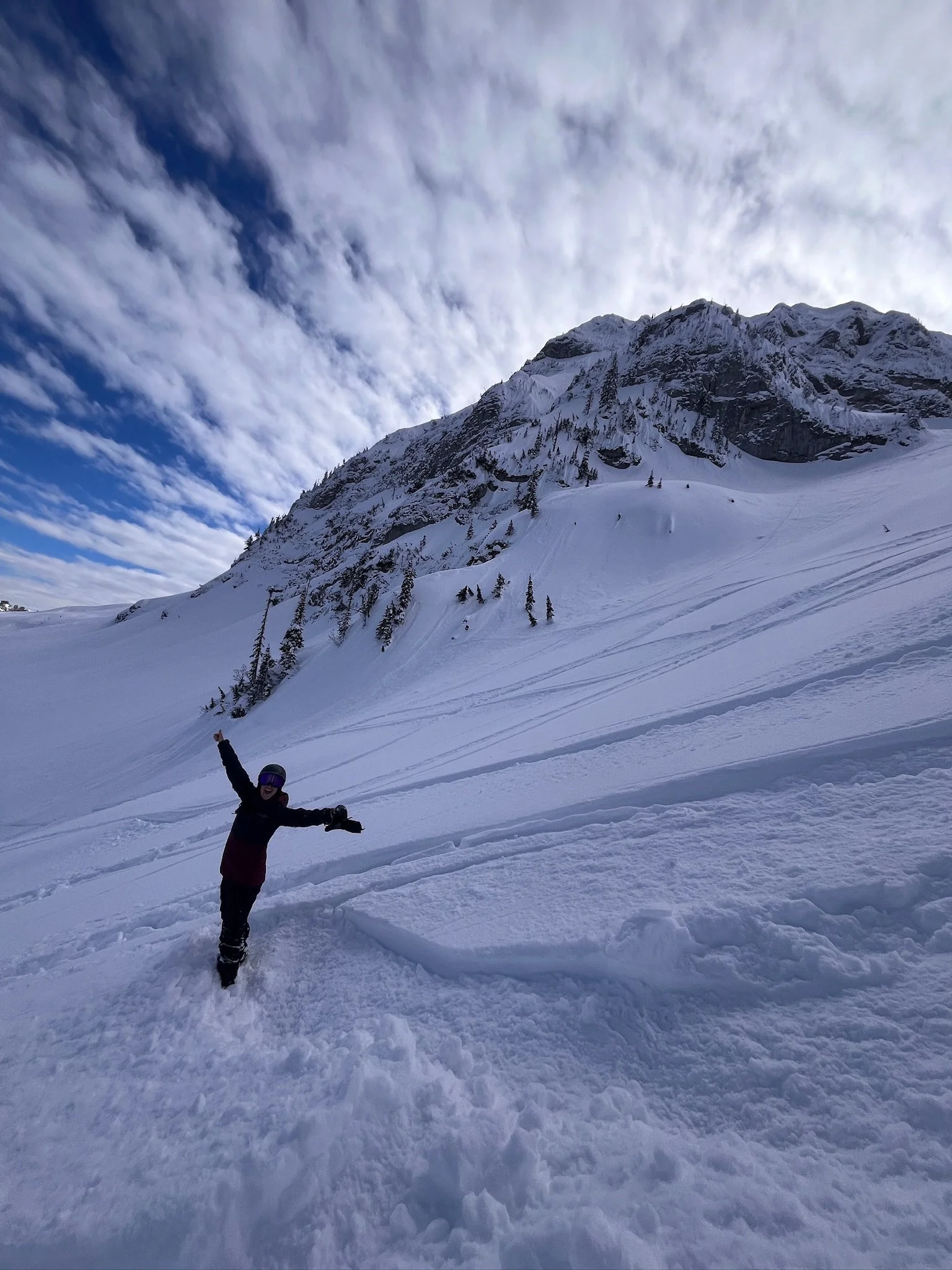
A day on the mountain can end in an instant — an edge catch, a fall on ice, a knee that buckles on a mogul run. Other times the pain builds more slowly: a low back that aches by the third run, ski boots that leave the shins sore, legs that feel spent halfway through the day.
At Summit PT, skiing injury treatment is built around the specific demands of alpine skiing — edge control, absorbing terrain, and the eccentric quad strength needed to survive a full day of runs. Being minutes from Stowe Mountain Resort means we see these injuries constantly, from first-time falls to the fatigue that catches up with experienced skiers late in the season.
Effective treatment starts with understanding what actually happened on the hill, and what your body needs to get back on it.
Why Running Injuries Develop and Persist.
Most skiing injuries fall into one of two categories: a single traumatic event, like a twisting fall or an edge catch, or a gradual breakdown from fatigue late in a run or late in the day.
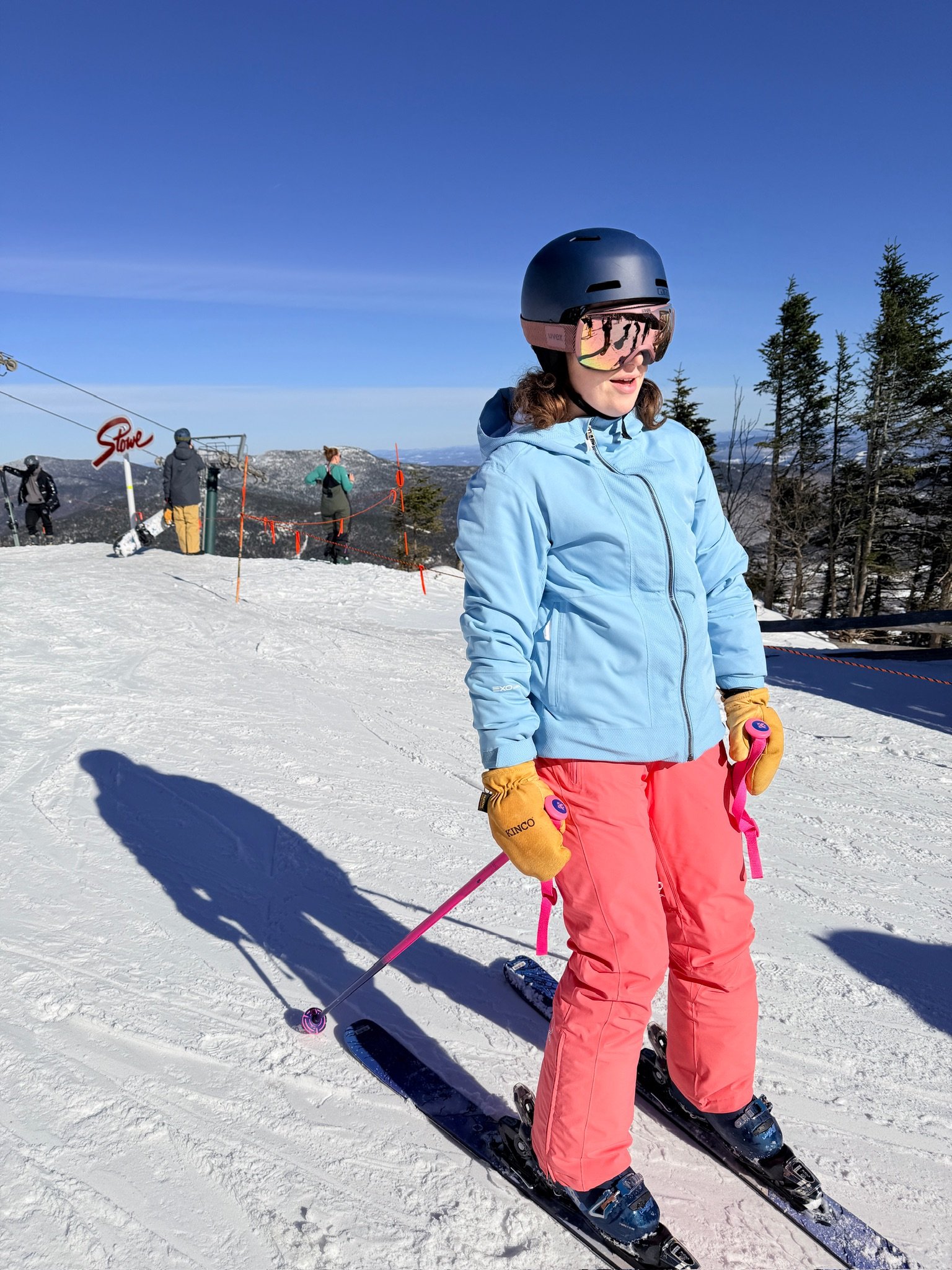
Common contributing factors include:
Quad and hip weakness that shows up late in a run, when falls are most likely
Limited ankle mobility inside a rigid ski boot, which shifts load up the chain
Poor eccentric control on steep terrain or moguls
Previous ACL, MCL, or meniscus injuries that were never fully rehabilitated
Starting the season without the strength base the sport demands.
Falls account for the majority of acute injuries, particularly to the knee, while overuse patterns in the low back and hips build up over a season of repeated impact and rotation.
How Physical Therapy Helps After a Skiing Injury
Icing a sore knee or resting a stiff back between ski days might calm symptoms for the moment, but it doesn't rebuild the strength and control that skiing demands.
Physical therapy for skiing injuries focuses on restoring the eccentric strength, single-leg control, and rotational stability needed to hold up through a full ski day, not just to get through rehab, but to ski stronger next season.
For an acute injury like an ACL tear, that means a structured return-to-sport progression. For the aches that build over a season, it means addressing the strength and mobility deficits before they turn into next year's injury.
The goal isn't just getting back on the lift. It's building the capacity to ski a full day, and a full season, with confidence.
Don’t just take our word for it
SEE WHAT ONE OF OUR CLIENTS HAS TO SAY…

At Summit PT, treatment is built around the specific demands of athletes.
H2: The Summit Approach to Skiing Injury Treatment
Early priorities include:
identifying whether the injury is acute or overuse, and how irritable it currently is
restoring pain-free mobility and confidence before adding load
progressive strengthening of the quads, hips, and core for eccentric control
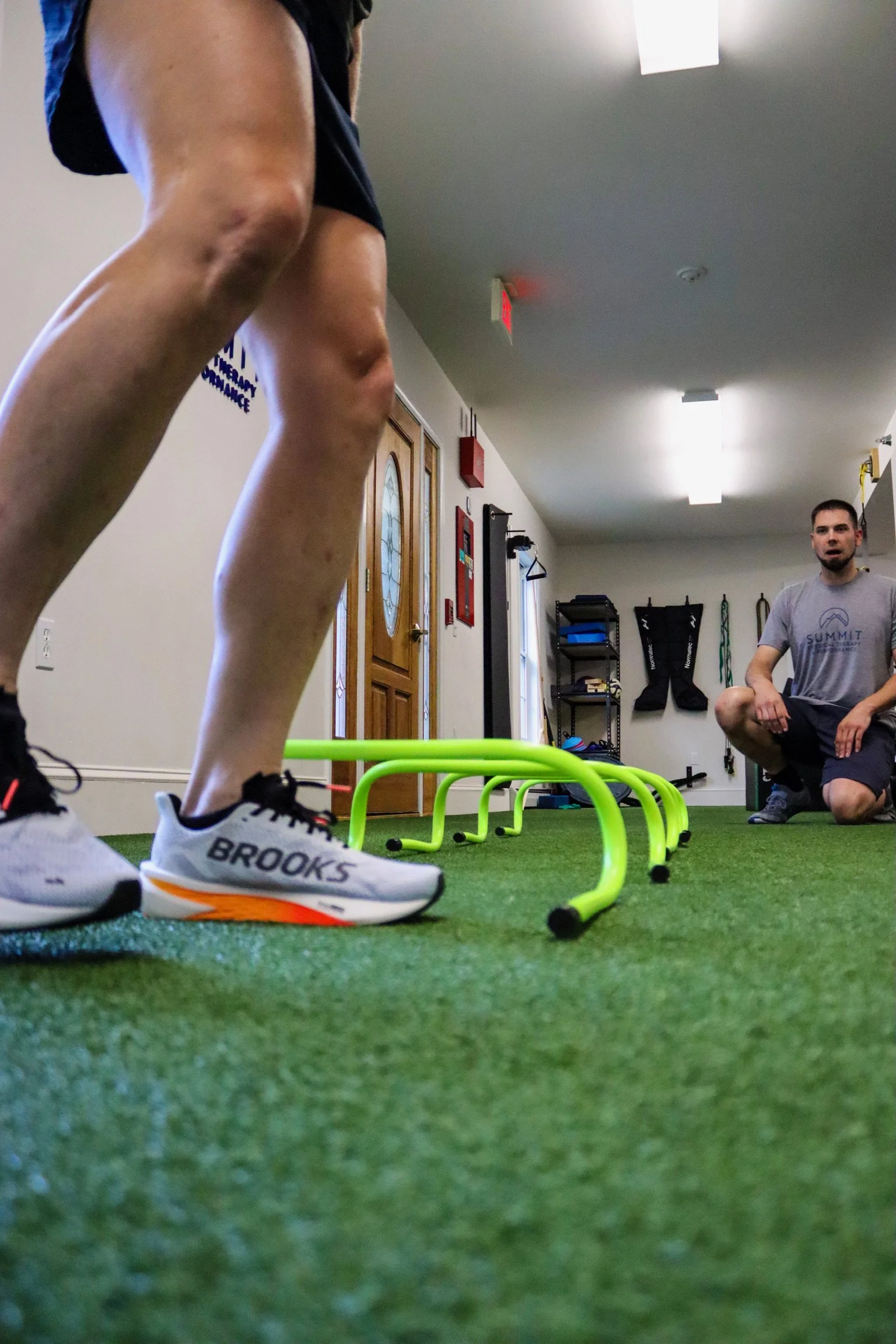
rebuilding single-leg stability and rotational control specific to turning and absorbing terrain
a structured return-to-skiing plan matched to your timeline, not a generic protocol.
We also address common misconceptions. An ACL injury does not always mean the end of a ski season. Knee pain after skiing does not automatically mean arthritis. Rest alone rarely rebuilds the strength lost after an injury or an off-season.
Our focus is reducing risk, rebuilding strength, and helping you ski a full season with confidence.
Serving Patients Across Nearby Vermont Communities
In addition to Stowe, Summit Physical Therapy regularly works with patients from Waterbury, Morrisville, Hyde Park, Cambridge, Jeffersonville, and surrounding Vermont communities. Many people travel to Stowe for specialized physical therapy care that supports an active lifestyle, outdoor recreation, and long-term movement goals.
What to Expect at Your First Visit
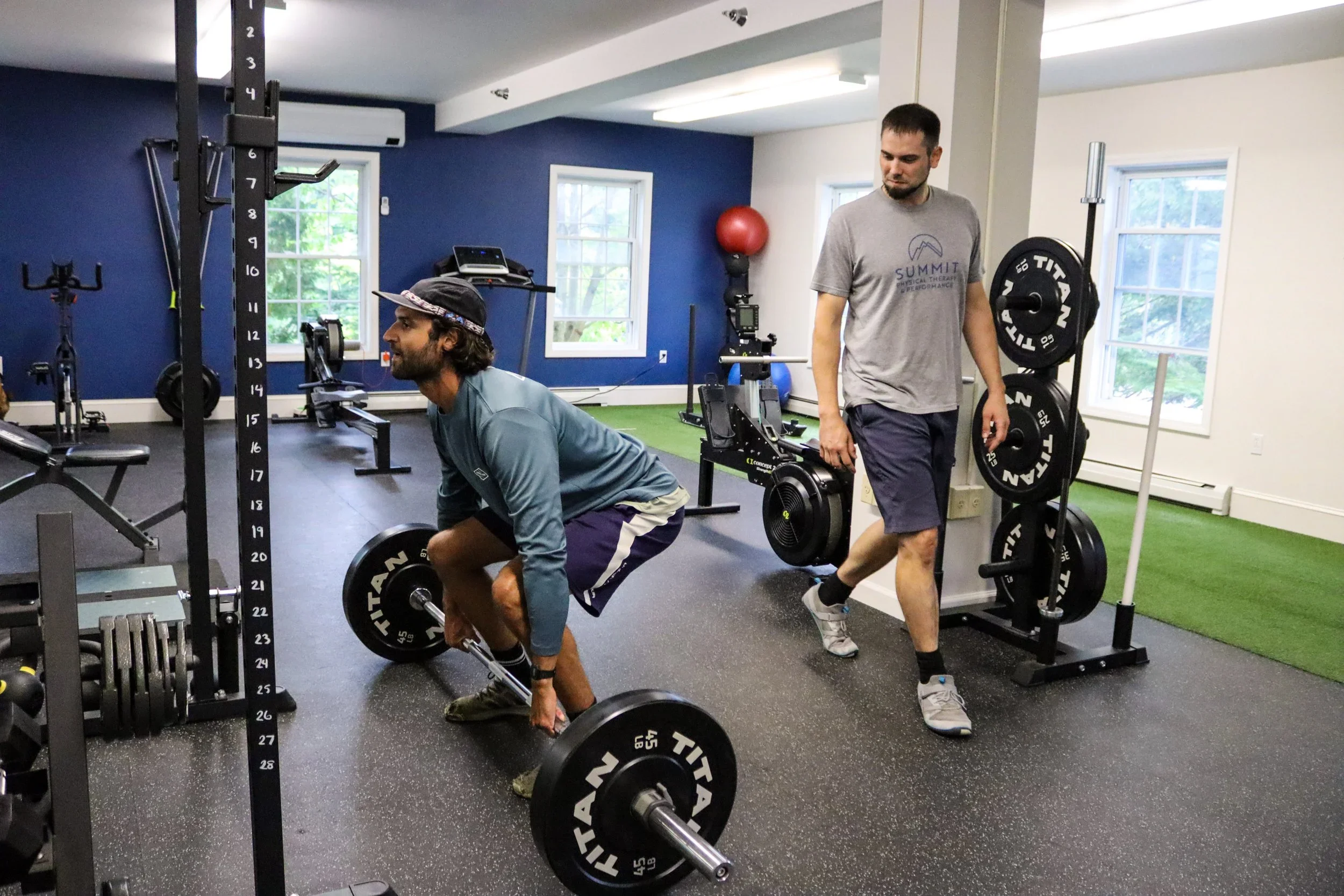
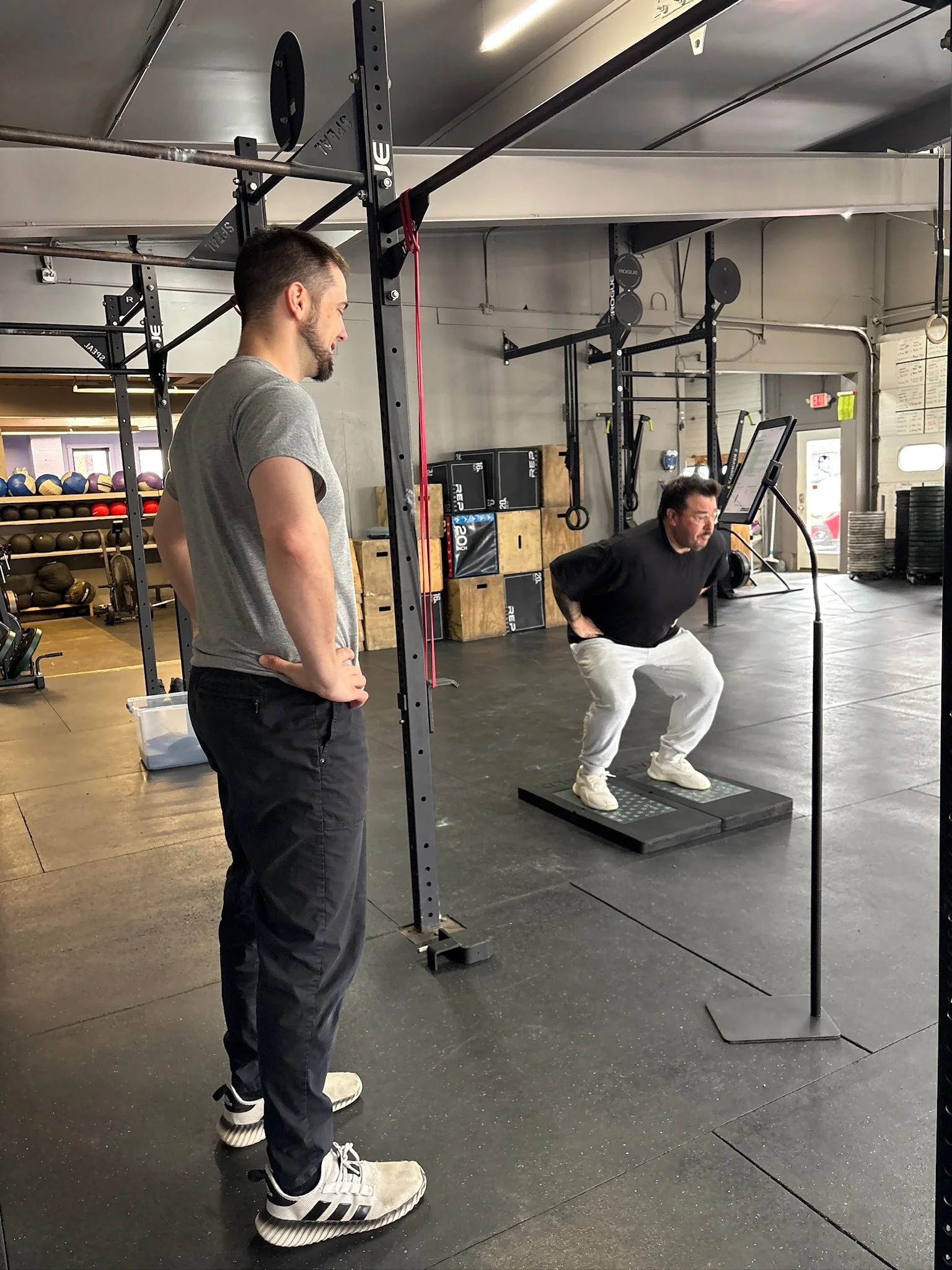
Your first visit begins with a detailed discussion of your symptoms, training history, and goals. We assess strength, mobility, running-related movement patterns, and factors that may be contributing to your symptoms.
You will leave your first session with:
A clear understanding of what is driving your symptoms
Guidance on training modifications when needed
Targeted exercises specific to your presentation
A structured progression plan for returning to running
You should leave knowing exactly what steps will move you toward consistent training again.
How it Works
OUR PROCESS
01
We want to make sure we are the best fit to help you reach your goals. This free 15 minute phone call can be scheduled through the link above, or just give us a call!
Free Discovery Call
02
Initial Evaluation
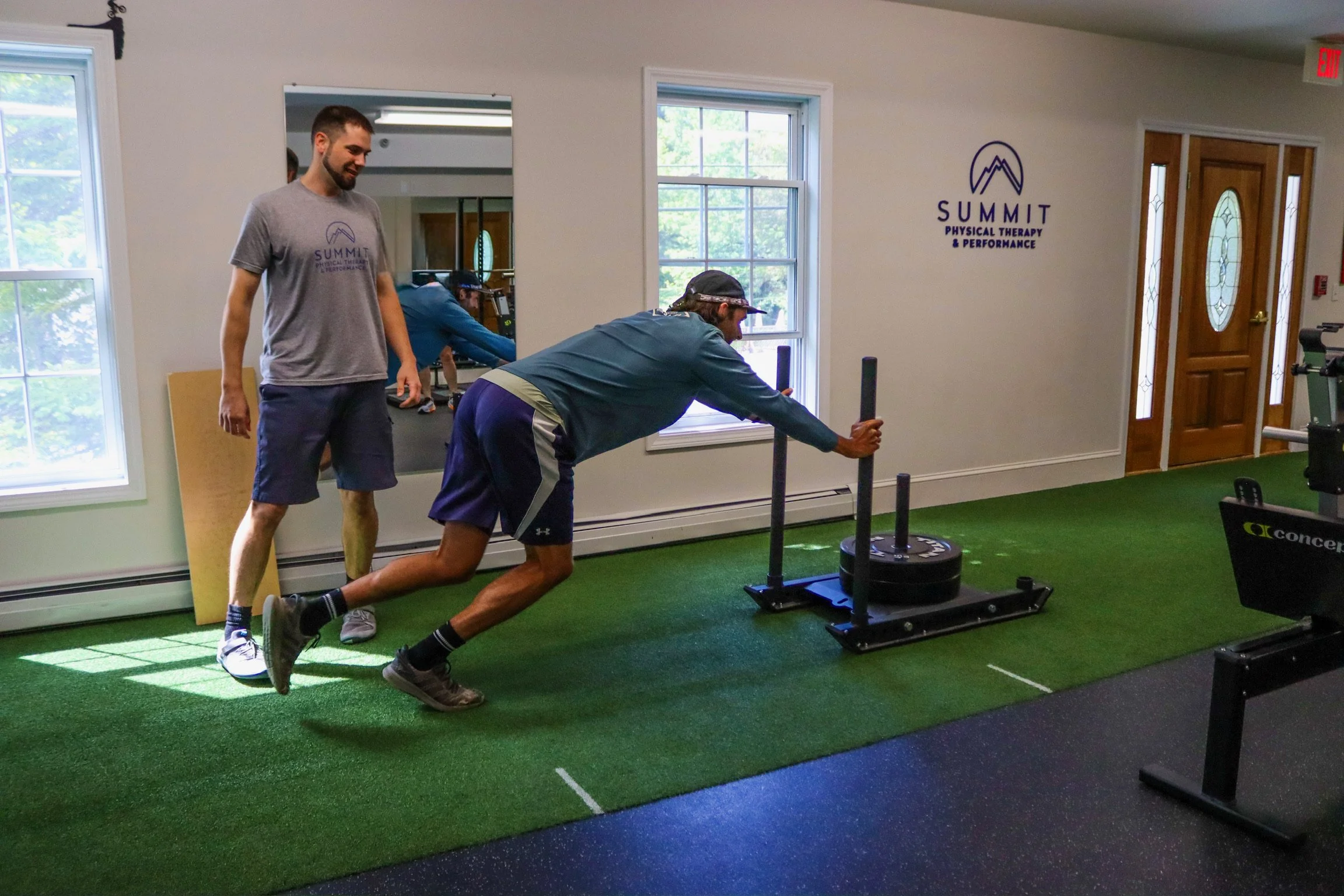
Meet 1 on 1 with a provider who will take you through a series of strength and mobility testing to determine the root cause of your problem.
03
Plan of Care
You and your provider will determine the best course of action to solve your problem and get you back to activity as quickly as possible.
Who This Is a Strong Fit For
This approach is particularly effective for:
skiers recovering from an ACL, MCL, or meniscus injury who want a structured return to the mountain
anyone who felt pain or instability on a run and wants to know what's actually going on
skiers whose knees, hips, or low back ache by the end of a ski day
athletes who want to start the season stronger instead of getting hurt again
and anyone whose knee or back pain is more of a year-round issue than a ski-day one — our Knee Pain Treatment and Lower Back Pain Treatment pages go deeper on those
If you're looking for performance-driven skiing injury treatment instead of generic rest-and-ice advice, this model is designed for you.
Get Back on the Mountain
A skiing injury doesn't have to end your season, or start the next one on the wrong foot.
If you're recovering from a fall or just feeling the aches of another ski season, Summit PT works with skiers throughout Stowe and surrounding communities to rebuild strength, control, and confidence for the mountain.
Schedule your evaluation today and start building toward a stronger season.
-
If there's significant pain, swelling, or instability, it's worth being evaluated by a medical professional before returning to activity. For milder symptoms, a physical therapy evaluation can determine what's actually injured and what's safe to do next.
-
Not always. Many knee injuries can be evaluated clinically first, with imaging reserved for cases where symptoms don't match a typical pattern or don't improve as expected.
-
Timelines vary widely depending on the injury and whether surgery was involved, but a structured, progressive return-to-sport plan is what determines readiness, not a fixed number of weeks.
-
Timelines vary widely depending on the injury and whether surgery was involved, but a structured, progressive return-to-sport plan is what determines readiness, not a fixed number of weeks.
-
Strength, control, and mobility work can meaningfully reduce your risk and help you handle a full ski day, though no program can eliminate the inherent risk of the sport entirely.
-
It's common, but "normal" doesn't mean it has to stay that way. That kind of end-of-day fatigue often points to strength or mobility deficits that physical therapy can address before next season.