
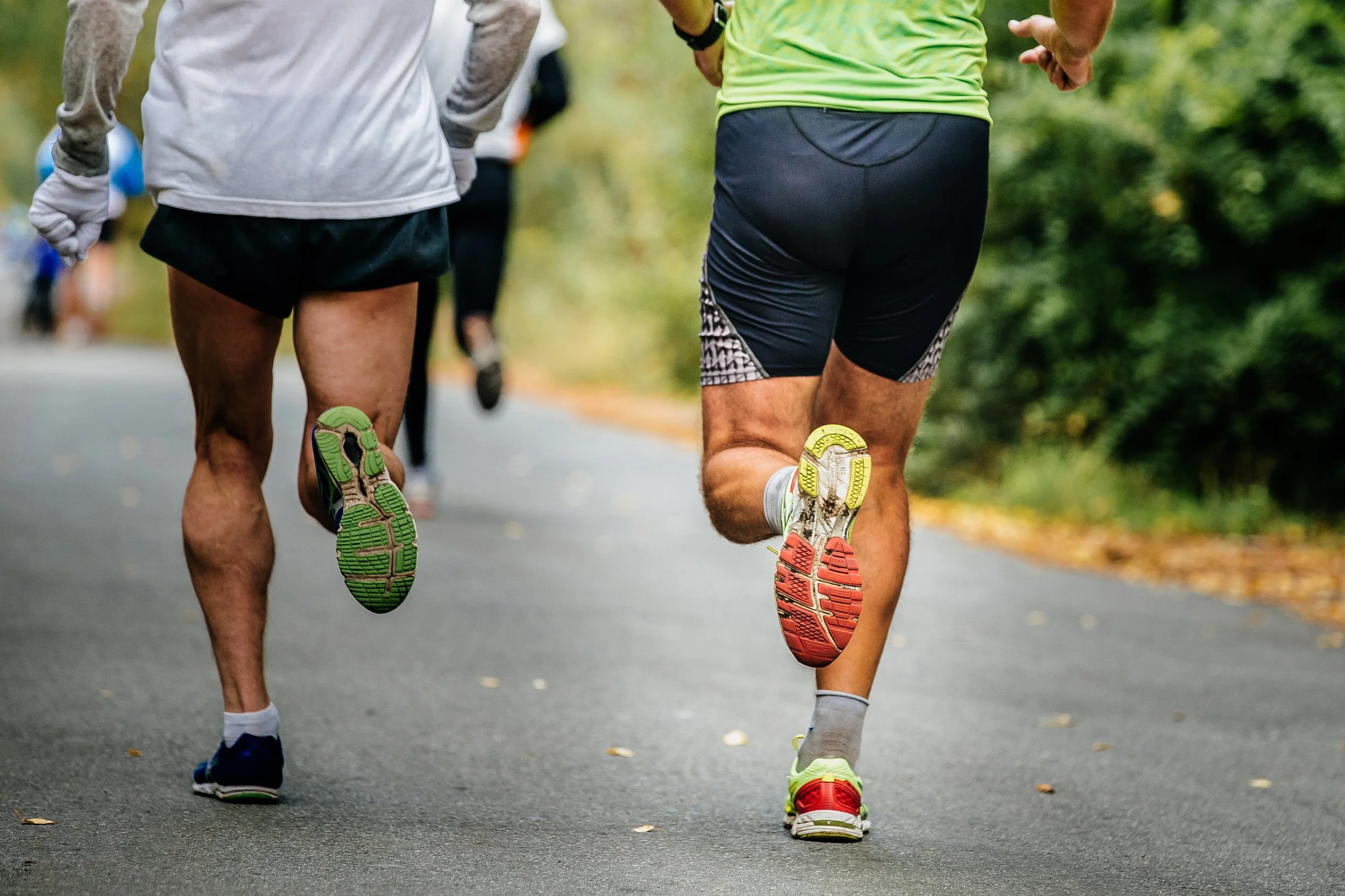
Running Injury Treatment in Stowe, Vermont
Performance-based treatment for runners serving Stowe, Morristown, Waterbury, and surrounding communities.

Running injuries rarely appear overnight.
Many runners notice symptoms gradually building over weeks or months. A little knee pain after a run. Hip discomfort during hills. Shin pain that starts midway through a workout. At first, it feels manageable. Then training becomes increasingly inconsistent.
At Summit PT, running injury treatment focuses on identifying why symptoms developed, improving load tolerance, and helping runners return to consistent training without repeatedly starting over.
Whether you are dealing with runner's knee, IT band pain, shin splints, or running-related hip pain, effective treatment starts with understanding what is driving the problem.
Why Running Injuries Develop and Persist.
Many runners assume pain is caused by a single issue, such as shoes, terrain, or a specific workout. In reality, running injuries usually develop when training demands exceed the body's current capacity.
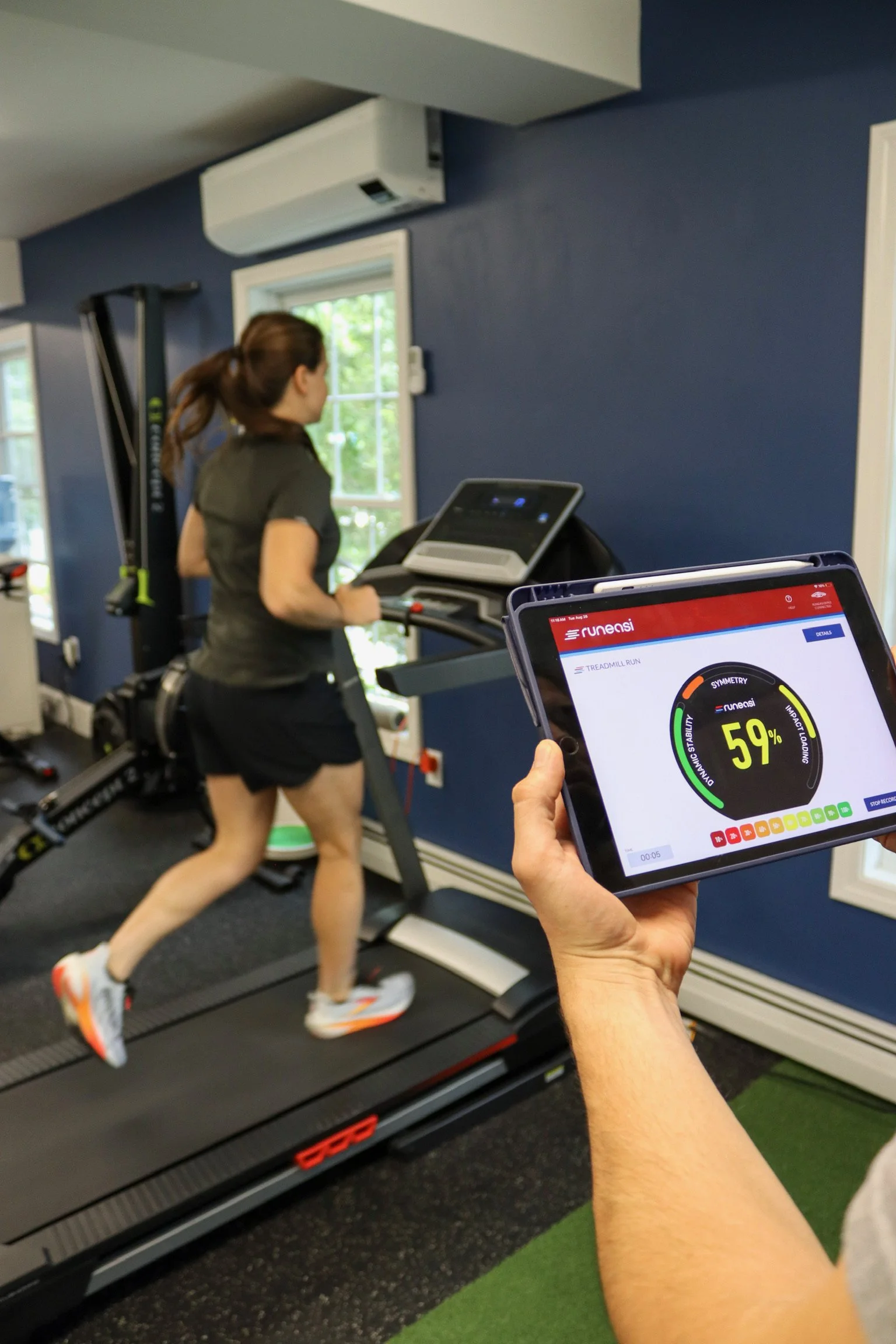
Common contributing factors include:
Poor single-leg stability during running
Hip weakness affecting lower-extremity control
Limited ankle mobility reducing shock absorption
Reduced calf strength and endurance
Rapid increases in mileage, elevation, intensity, or frequency
These factors can contribute to a variety of conditions, including patellofemoral pain syndrome (runner's knee), IT band syndrome, shin splints, and running-related hip pain.
Symptoms often improve with rest but return when training resumes because the underlying capacity deficits have not been addressed.
How Physical Therapy Helps Running Injuries
Many runners try stretching, foam rolling, changing shoes, or taking time off before seeking treatment. While these strategies may temporarily reduce symptoms, they often fail to address the factors responsible for recurring pain.
Physical therapy for running injuries focuses on restoring strength, improving movement control, and building the capacity needed for running demands.
Treatment may include progressive strengthening, mobility work, running-specific stability training, and adjustments to training volume when appropriate. We also evaluate movement patterns that may contribute to excessive stress at the knee, hip, shin, or ankle.
The goal is not simply pain relief. It is helping you return to consistent training with greater resilience.
Don’t just take our word for it
SEE WHAT ONE OF OUR CLIENTS HAS TO SAY…

At Summit PT, treatment is built around the specific demands of endurance athletes.
The Summit Approach to Running Injury Treatment
Early priorities include:
Identifying training errors or recent load spikes
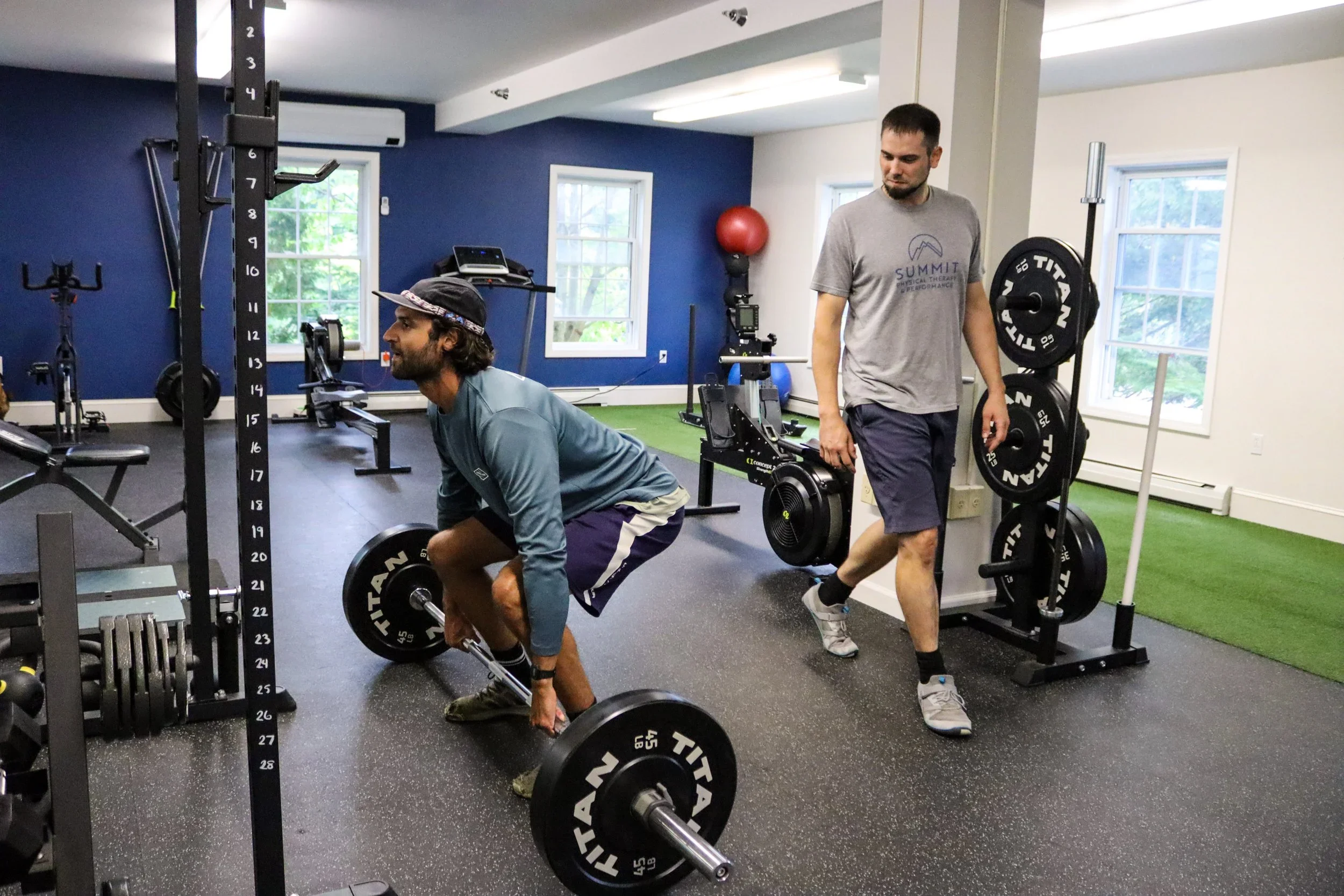
Improving single-leg strength and control
Building calf and lower-leg capacity
Addressing running mechanics when appropriate
Creating a progressive return-to-running plan
We also address common misconceptions. Pain does not automatically mean you must stop running completely. New shoes alone rarely solve the problem. And stretching, while helpful in some situations, is rarely the primary solution.
Long-term success typically comes from improving strength, movement quality, and training progression.
Serving Patients Across Nearby Vermont Communities
In addition to Stowe, Summit Physical Therapy regularly works with patients from Waterbury, Morrisville, Hyde Park, Cambridge, Jeffersonville, and surrounding Vermont communities. Many people travel to Stowe for specialized physical therapy care that supports an active lifestyle, outdoor recreation, and long-term movement goals.

What to Expect at Your First Visit
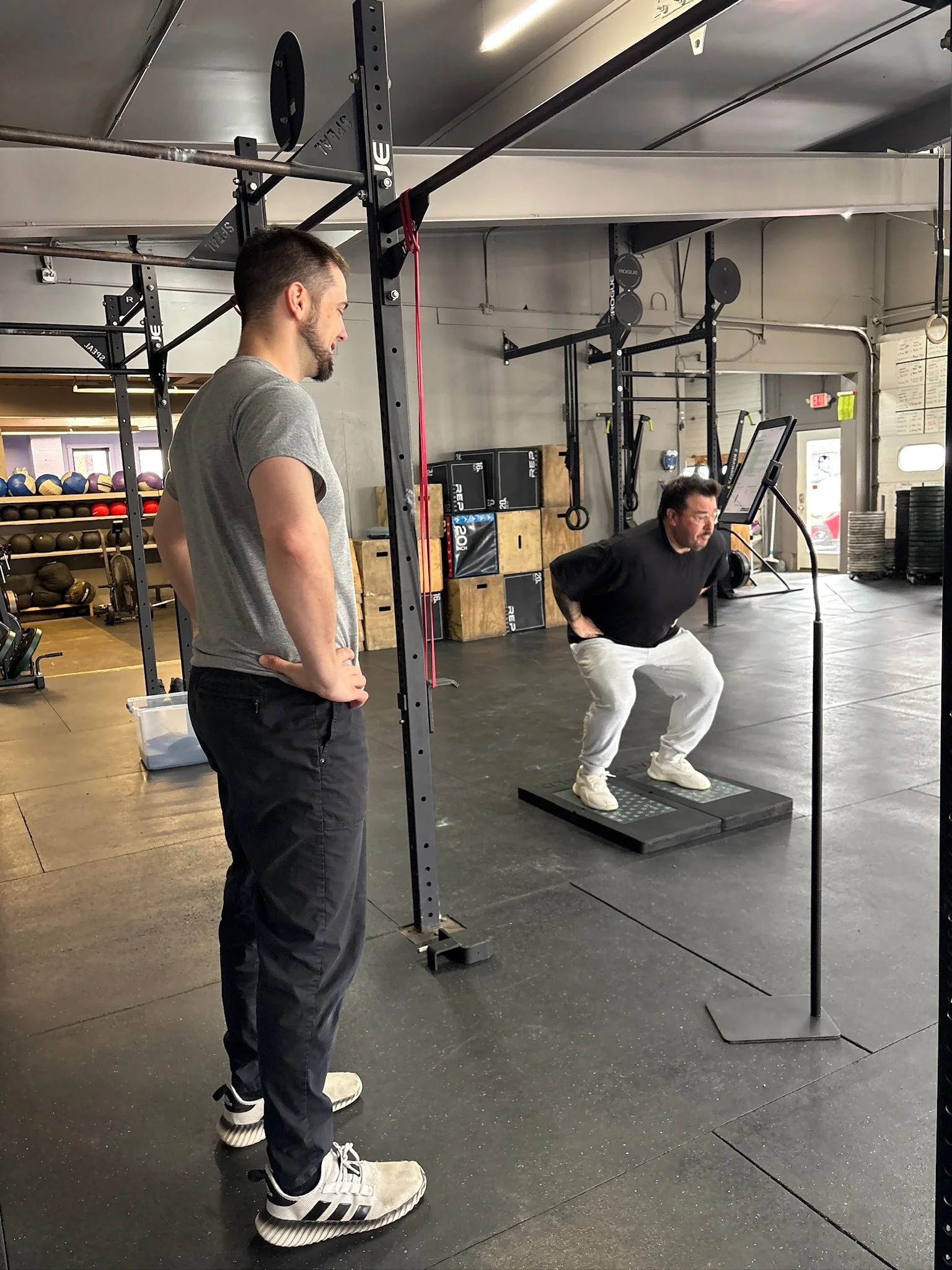
Your first visit begins with a detailed discussion of your symptoms, training history, and goals. We assess strength, mobility, running-related movement patterns, and factors that may be contributing to your symptoms.
You will leave your first session with:
A clear understanding of what is driving your symptoms
Guidance on training modifications when needed
Targeted exercises specific to your presentation
A structured progression plan for returning to running
You should leave knowing exactly what steps will move you toward consistent training again.
How it Works
OUR PROCESS
01
We want to make sure we are the best fit to help you reach your goals. This free 15 minute phone call can be scheduled through the link above, or just give us a call!
Free Discovery Call
02
Initial Evaluation
Meet 1 on 1 with a provider who will take you through a series of strength and mobility testing to determine the root cause of your problem.
03
Plan of Care
You and your provider will determine the best course of action to solve your problem and get you back to activity as quickly as possible.
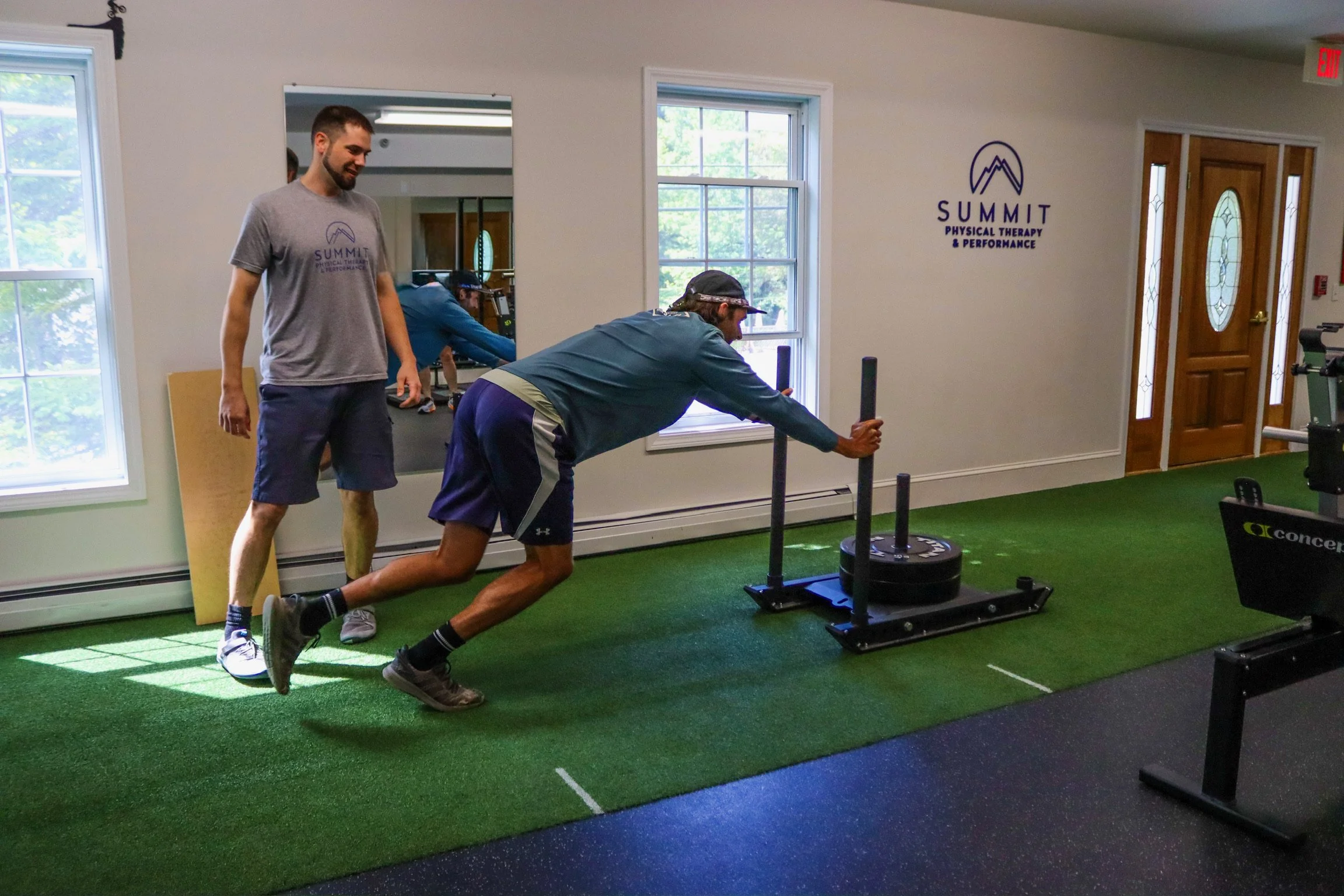
One of the biggest mistakes runners make is returning too quickly after symptoms improve.
Before reintroducing running, we first ensure you can tolerate brisk walking and demonstrate key strength and control benchmarks. From there, we gradually rebuild impact tolerance using structured walk-run intervals.
Our Return-to-Running Process
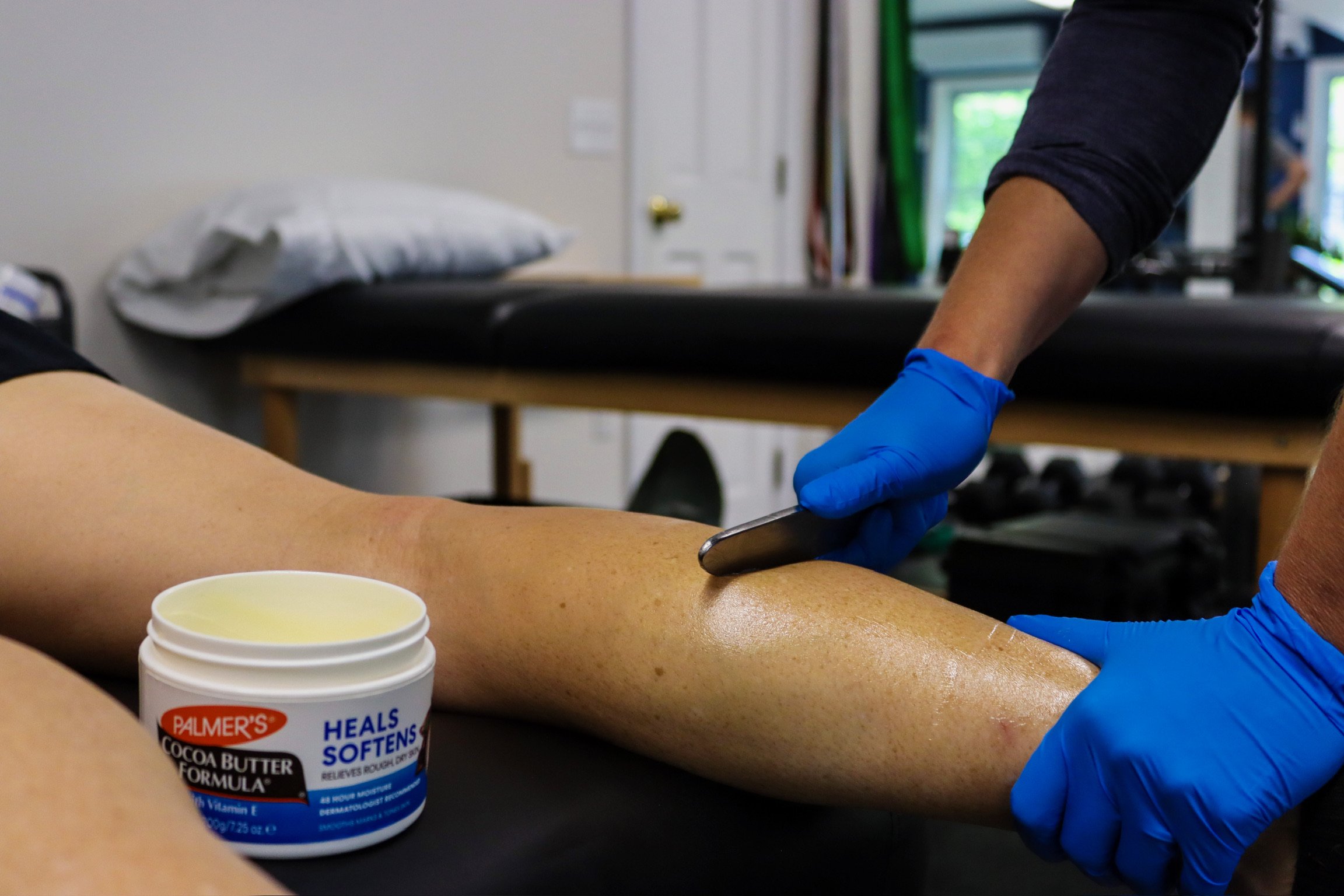
A typical progression includes:
Establishing pain-free walking tolerance
Assessing single-leg strength and control
Beginning short run-walk intervals
Running every other day initially
Gradually increasing running volume and duration
Reintroducing hills, technical terrain, and speed work over time
Throughout the process, we provide clear symptom guidelines so you know how to progress confidently without triggering major flare-ups.
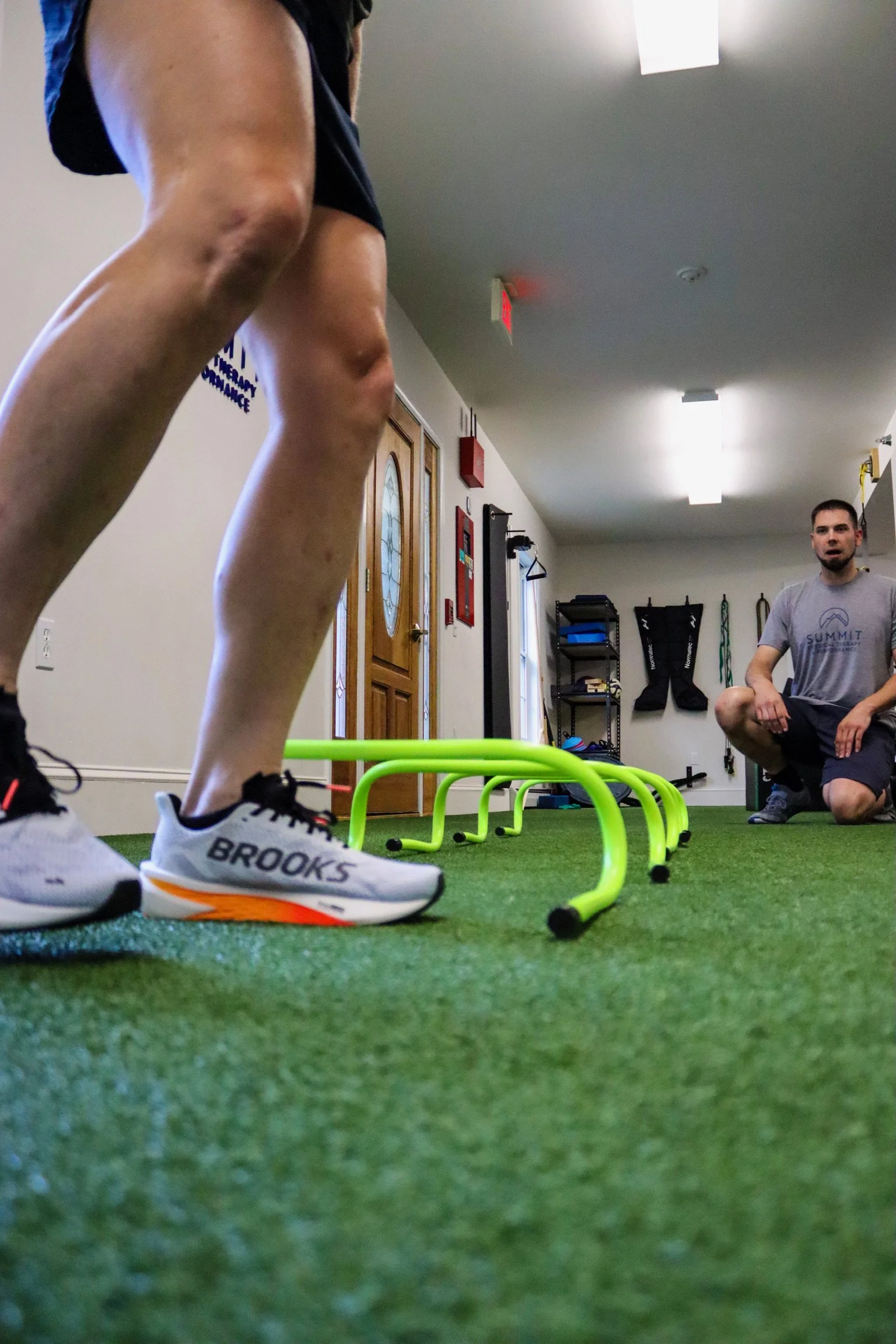
Who This Is a Strong Fit For
This approach is particularly effective for:
Runners experiencing recurring knee pain
Athletes dealing with shin splints or lower-leg pain
Individuals with hip pain that worsens during running
Runners frustrated by repeated training interruptions
Endurance athletes preparing for races, events, or mountain objectives
If you want a structured, performance-focused approach rather than temporary symptom management, this model is designed for you.
Get Back to Consistent Running
Running injuries can be frustrating, especially when symptoms return every time training begins to improve.
If you are looking for running injury treatment, Summit PT works with runners throughout Stowe and surrounding communities to restore strength, improve movement, and build long-term durability.
Schedule your evaluation today and start working toward consistent, confident training.
-
Not always. Many runners can continue some level of training with appropriate modifications. The key is understanding how much activity your body can currently tolerate while addressing the underlying problem.
-
Runner's knee, also called patellofemoral pain syndrome, is often related to load management, hip strength deficits, single-leg control, and training progression rather than structural damage within the knee itself.
-
Shoes can influence symptoms, but shin splints are more commonly related to training volume, calf strength, running load, and tissue capacity. Simply changing footwear rarely solves the problem by itself.
-
Recovery timelines vary depending on the condition and severity. Most runners benefit from a gradual progression that rebuilds strength and impact tolerance before returning to full mileage and intensity.
-
Yes. Improving strength, movement quality, training progression, and running capacity can reduce the risk of recurring injuries and help runners maintain more consistent training over time.