

Pre and Postpartum Physical Therapy in Stowe, Vermont
Performance-based pregnancy and postpartum care for active individuals serving Stowe, Morristown, Waterbury, and surrounding communities.
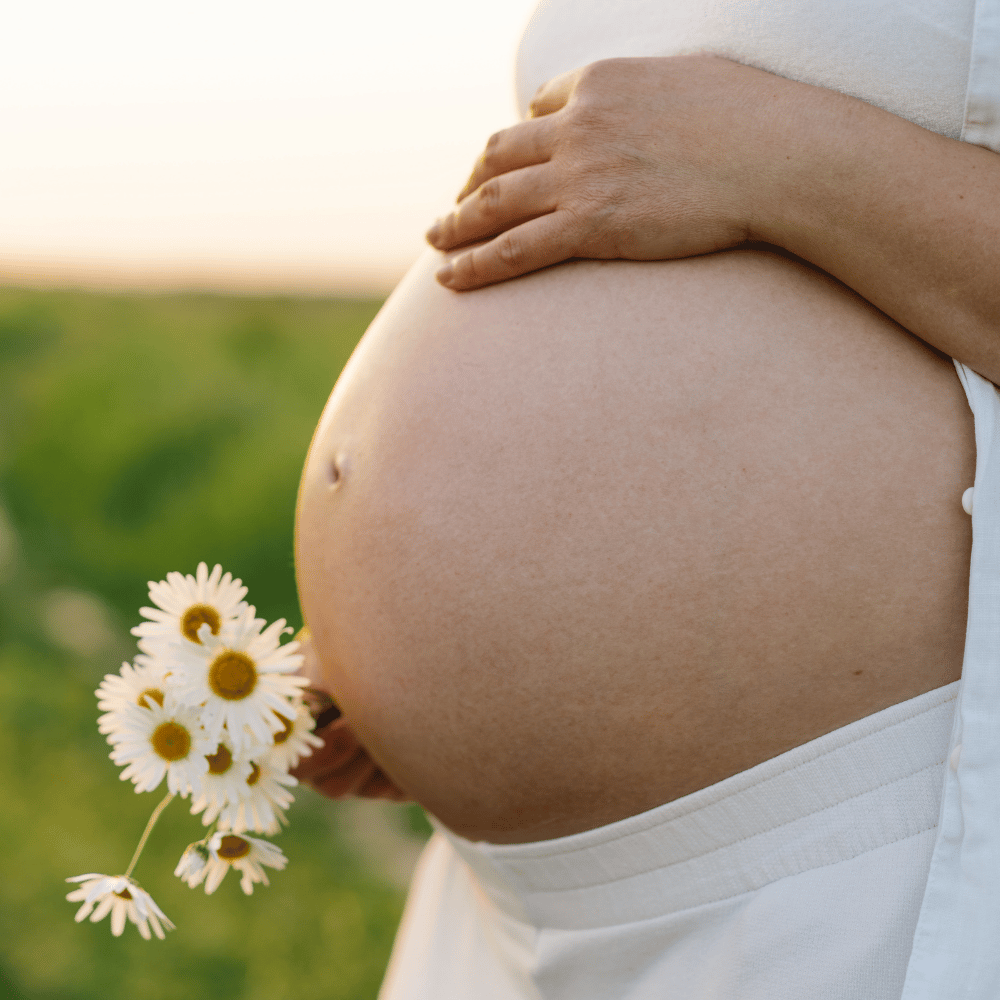
Pregnancy and postpartum recovery bring real physical changes, but that does not mean you have to step away from movement or accept ongoing symptoms.
Many people want to stay active during pregnancy or return to running, lifting, and outdoor activity after delivery, but feel unsure where to start. Others experience core weakness, pelvic discomfort, or a loss of confidence in how their body moves.
At Summit PT, pre and postpartum physical therapy focuses on helping you move safely, rebuild strength, and return to activity with clarity and confidence.
Why Support Matters During Pregnancy and Postpartum
The body adapts significantly during pregnancy and continues to change after delivery. These changes affect how the core, pelvic floor, and hips work together under load.
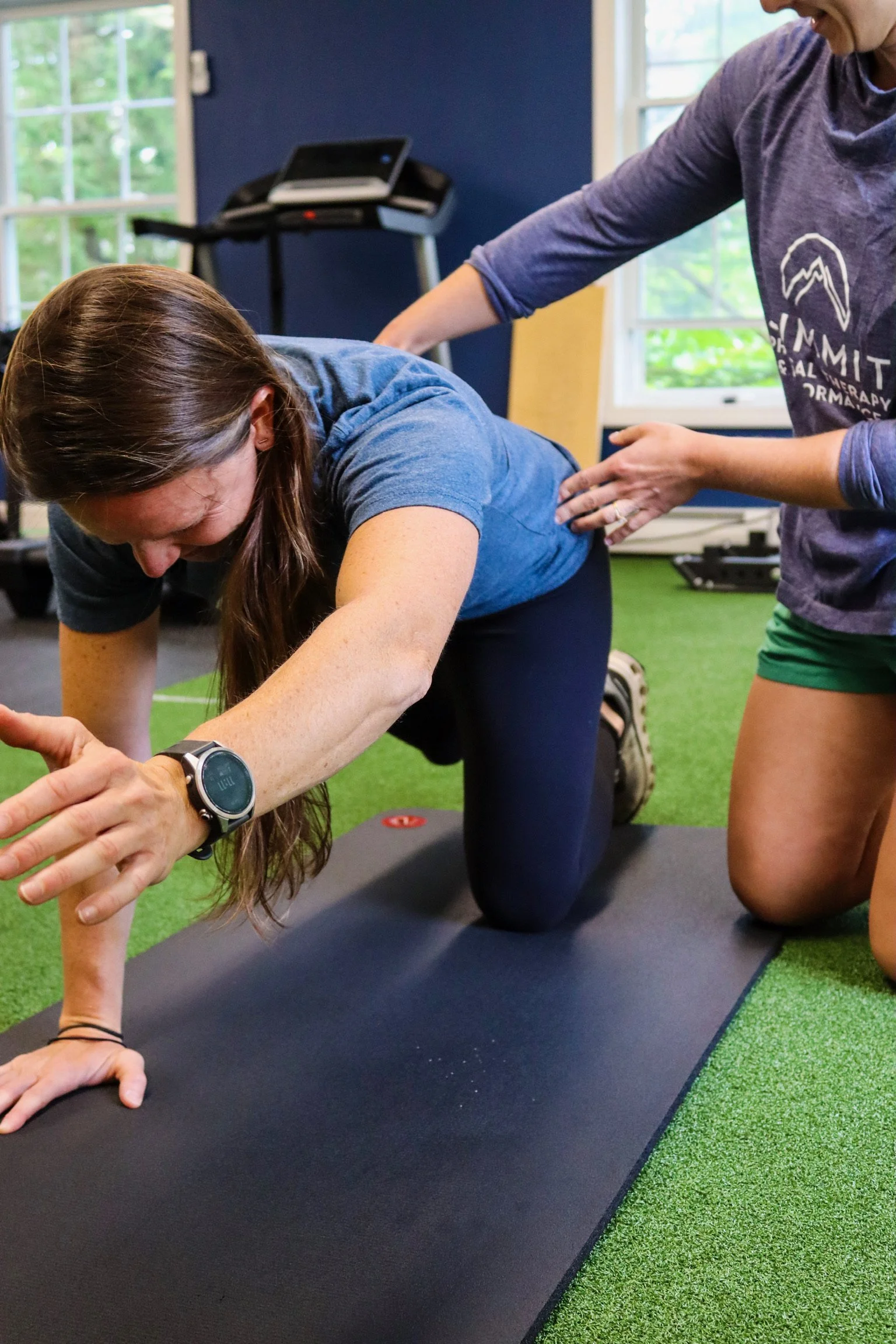
Common contributing factors include:
Changes in abdominal wall strength and control
Altered coordination between breathing, core, and pelvic floor
Reduced pelvic stability during single-leg and dynamic movement
Increased demands from daily activities like carrying, lifting, and feeding
Returning to activity before rebuilding foundational strength
Without a clear plan, these changes can lead to symptoms such as back pain, pelvic heaviness, or difficulty returning to exercise.
How Physical Therapy Helps During and After Pregnancy
Many people try online programs, general core exercises, or avoid movement altogether because they are unsure what is safe.
Physical therapy provides individualized guidance based on your stage of pregnancy or recovery.
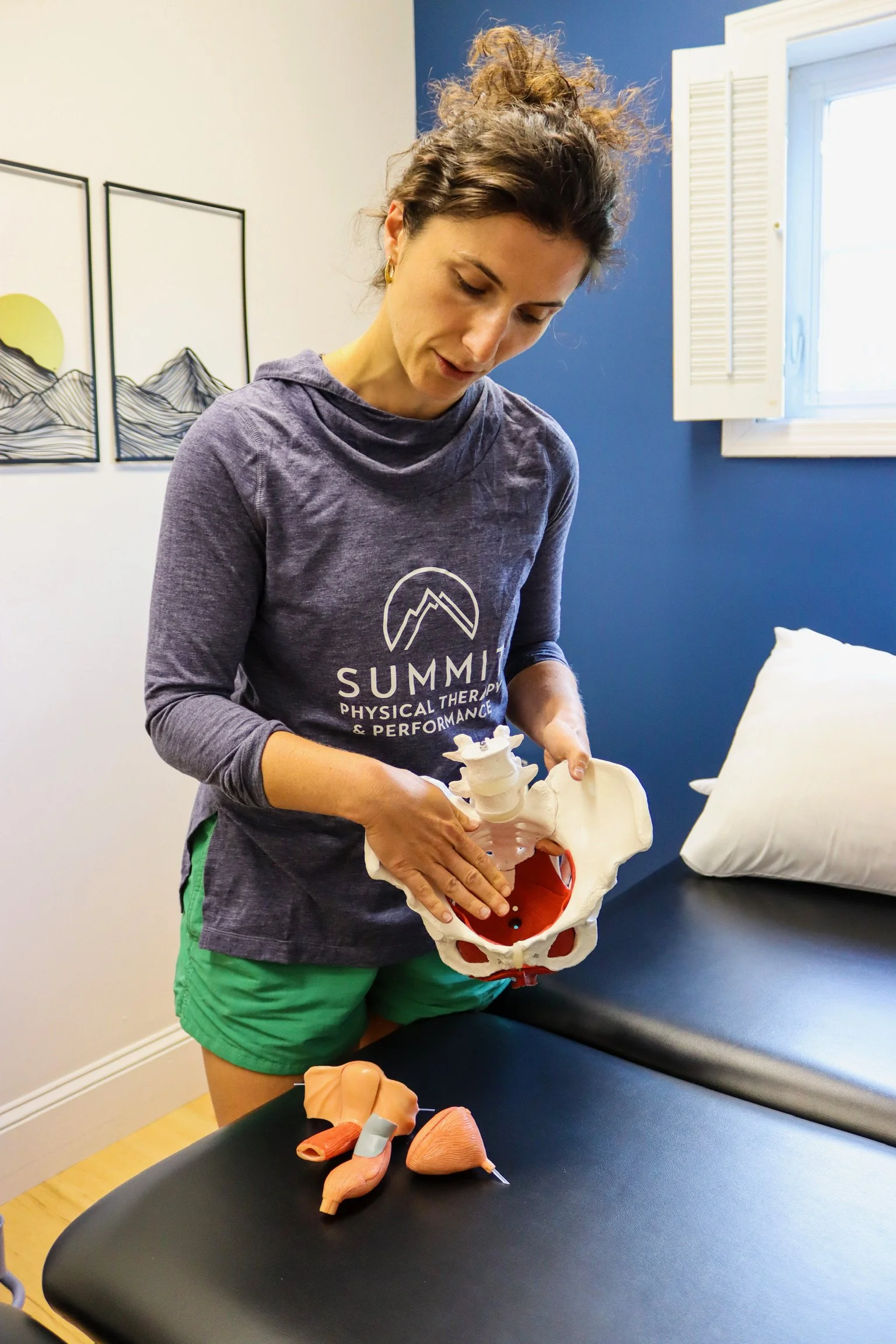
Treatment focuses on restoring coordination between the diaphragm, abdominal wall, and pelvic floor while gradually rebuilding strength. This allows you to stay active during pregnancy and safely return to higher-impact activities postpartum.
Rather than rushing back into training or waiting too long to restart, we help you progress at the right pace for your body.
Don’t just take our word for it
SEE WHAT ONE OF OUR CLIENTS HAS TO SAY…

At Summit PT, care is designed around your goals, whether that is staying active during pregnancy or returning to performance after delivery.
The Summit Approach to Pre and Postpartum Care
Early priorities include:
Education on safe movement and activity modifications
Re-establishing core and pelvic floor coordination
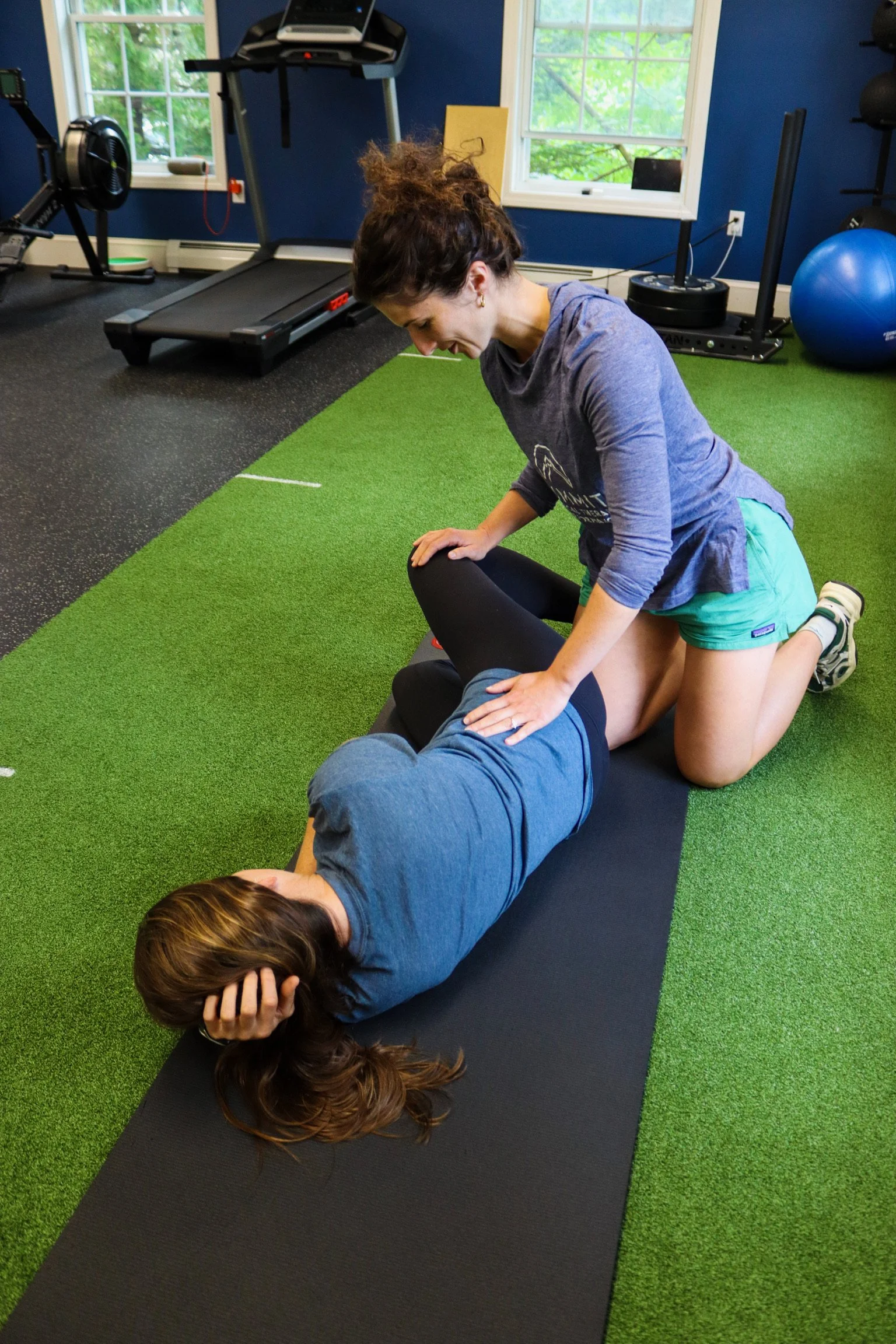
Progressive strengthening of the hips, trunk, and abdominal wall
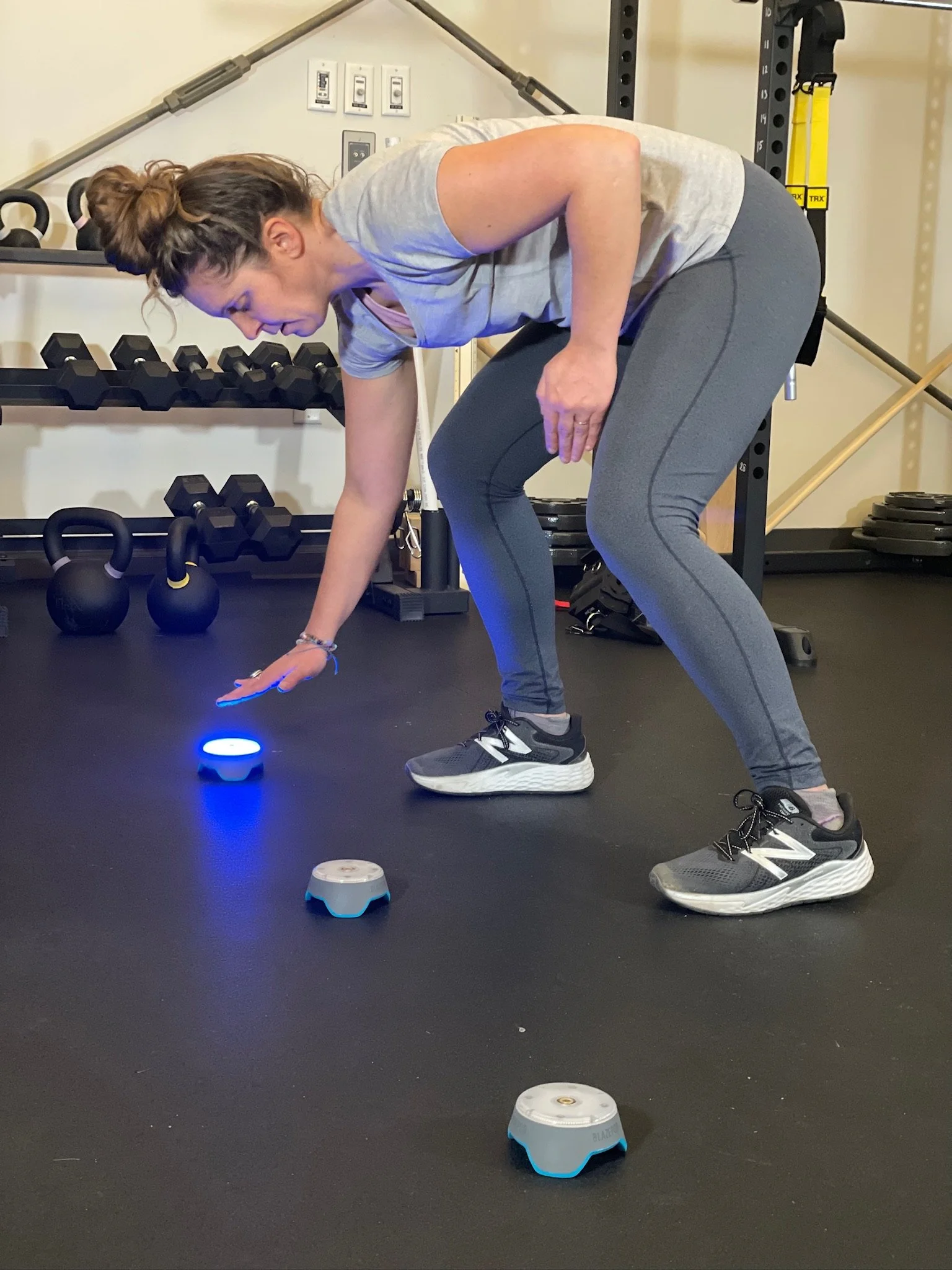
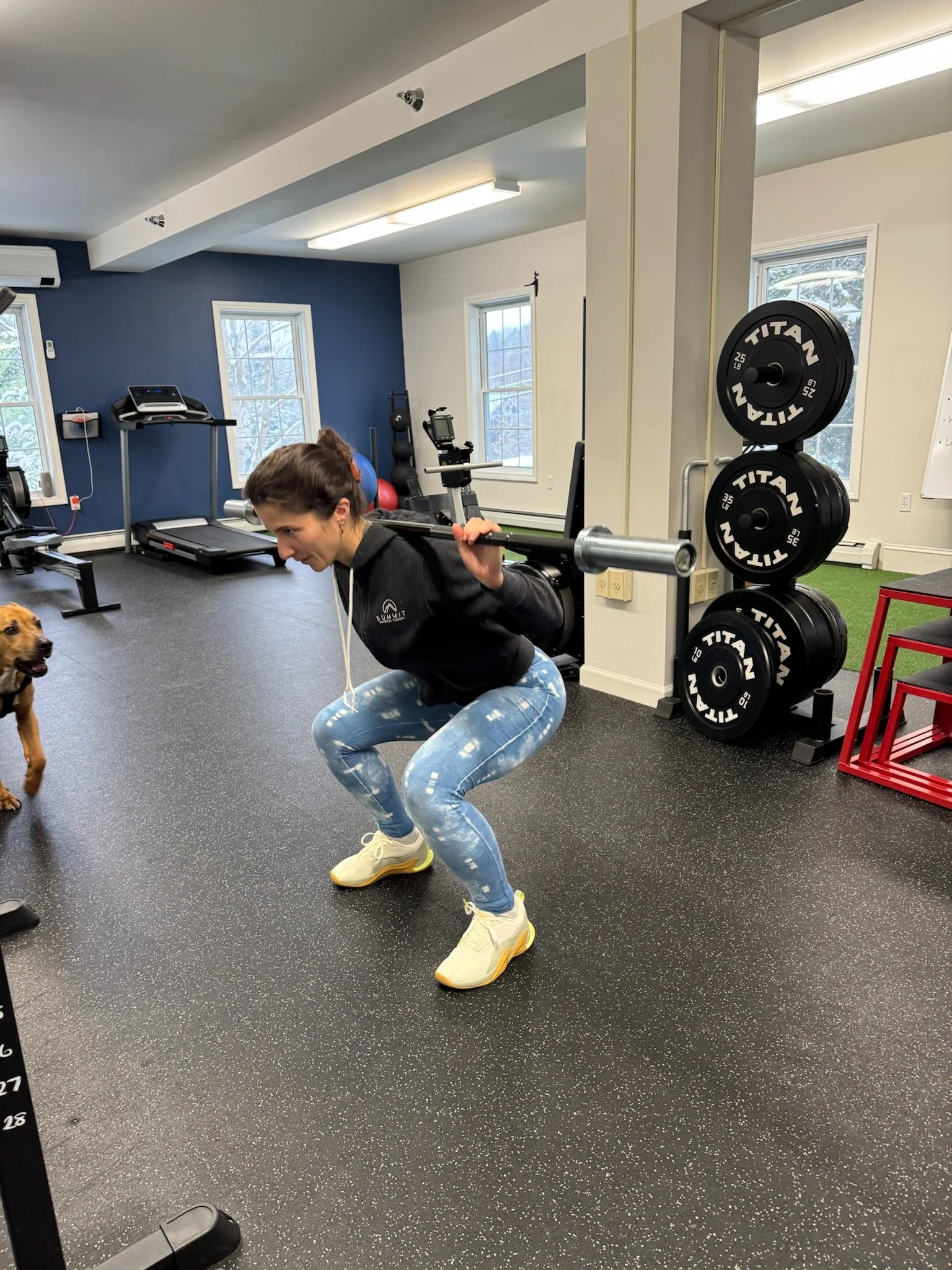
Building confidence with lifting, running, and daily movement
Gradual return to higher-impact activity based on readiness
We also address common misconceptions. You do not need to avoid exercise during pregnancy. Core training should not be rushed postpartum. And being “cleared” at six weeks does not mean your body is fully ready for full training loads.
Our focus is helping you rebuild in a way that supports long-term strength and resilience.
Serving Patients Across Nearby Vermont Communities
In addition to Stowe, Summit Physical Therapy regularly works with patients from Waterbury, Morrisville, Hyde Park, Cambridge, Jeffersonville, and surrounding Vermont communities. Many people travel to Stowe for specialized physical therapy care that supports an active lifestyle, outdoor recreation, and long-term movement goals.

What to Expect at Your First Visit
Your first visit begins with a detailed discussion of your current symptoms, activity level, and goals. We assess core function, pelvic floor coordination, and movement patterns relevant to your daily life and sport.
You will leave your first session with:
Clear guidance on what is safe and appropriate for your current stage
Targeted exercises matched to your needs
A structured plan for progressing activity
Confidence in how to move and train moving forward
Care is always individualized and designed to meet you where you are.
How it Works
OUR PROCESS
01
Free Discovery Call
We want to make sure we are the best fit to help you reach your goals. This free 15 minute phone call can be scheduled through the link above, or just give us a call!
02
Initial Evaluation
Meet 1 on 1 with a provider who will take you through a series of strength and mobility testing to determine the root cause of your problem.
03
Plan of Care
You and your provider will determine the best course of action to solve your problem and get you back to activity as quickly as possible.
Who This Is a Strong Fit For
This approach is particularly effective for:
Individuals wanting to stay active during pregnancy
Postpartum athletes returning to running, lifting, or sport
Those experiencing core weakness, pelvic heaviness, or back pain
Individuals unsure how to safely resume exercise
Anyone seeking structured, performance-based recovery
If you want clear guidance and a progressive plan rather than guessing your way through recovery, this model is designed for you.
Start Moving with Confidence Through Every Stage
Pregnancy and postpartum recovery should not leave you feeling limited or uncertain.
If you are looking for pre or postpartum physical therapy, Summit PT works with active individuals throughout Stowe and surrounding communities to help them stay active, rebuild strength, and return to the activities they enjoy.
Schedule your evaluation today and take the next step with confidence.
-
Yes, in most cases exercise during pregnancy is safe and beneficial. The key is adjusting intensity and movement based on your stage and symptoms. Physical therapy provides guidance to help you stay active while reducing unnecessary strain.
-
Many people are cleared for activity around six weeks postpartum, but that does not mean the body is fully ready for higher-impact training. A gradual, structured return focused on rebuilding strength and coordination leads to better long-term outcomes.
-
It can still be beneficial. Pregnancy and delivery affect how the core and pelvic floor function, even without obvious symptoms. Addressing these changes early can help reduce risk of future issues.
-
Yes. Returning to running is possible with a progressive plan that rebuilds strength, coordination, and impact tolerance. Physical therapy helps guide this process safely.
-
No. Many cases of abdominal separation improve with targeted rehabilitation that focuses on strength and coordination. Surgery is not the first-line approach for most individuals.