

Lower Back Pain Treatment in Stowe, Vermont
Performance-based lower back pain treatment for mountain and endurance athletes serving Stowe, Morrisville, Waterbury, and surrounding communities.
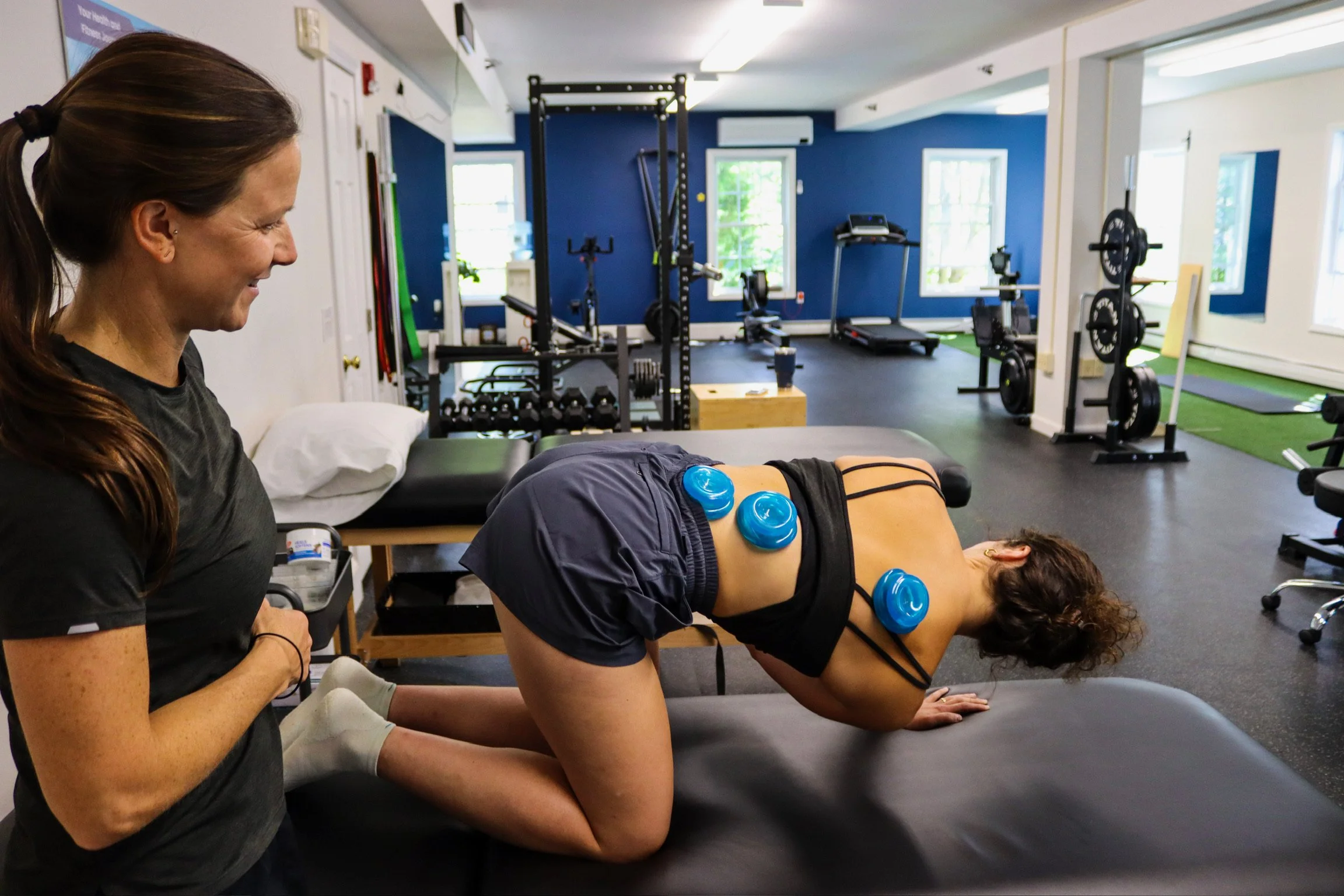
Lower back pain is one of the most common reasons active adults modify or stop training. For some, the back “goes out” unexpectedly. For others, symptoms build gradually with sitting, driving, lifting, or increasing mileage.
At Summit PT, lower back pain treatment focuses on restoring confidence in movement, rebuilding trunk and hip strength, and improving load tolerance so you can return to running, hiking, skiing, and daily activity without fear.
In many cases, the issue is not that the back is fragile. It is that capacity has not kept pace with demand.
Why Lower Back Pain Develops and Persists
Many people search “why does my lower back hurt” when symptoms start interfering with daily life or training. In active individuals, lower back pain often develops when load exceeds current strength and endurance capacity.
Understanding what causes lower back pain in your specific case allows us to address the true driver of symptoms.
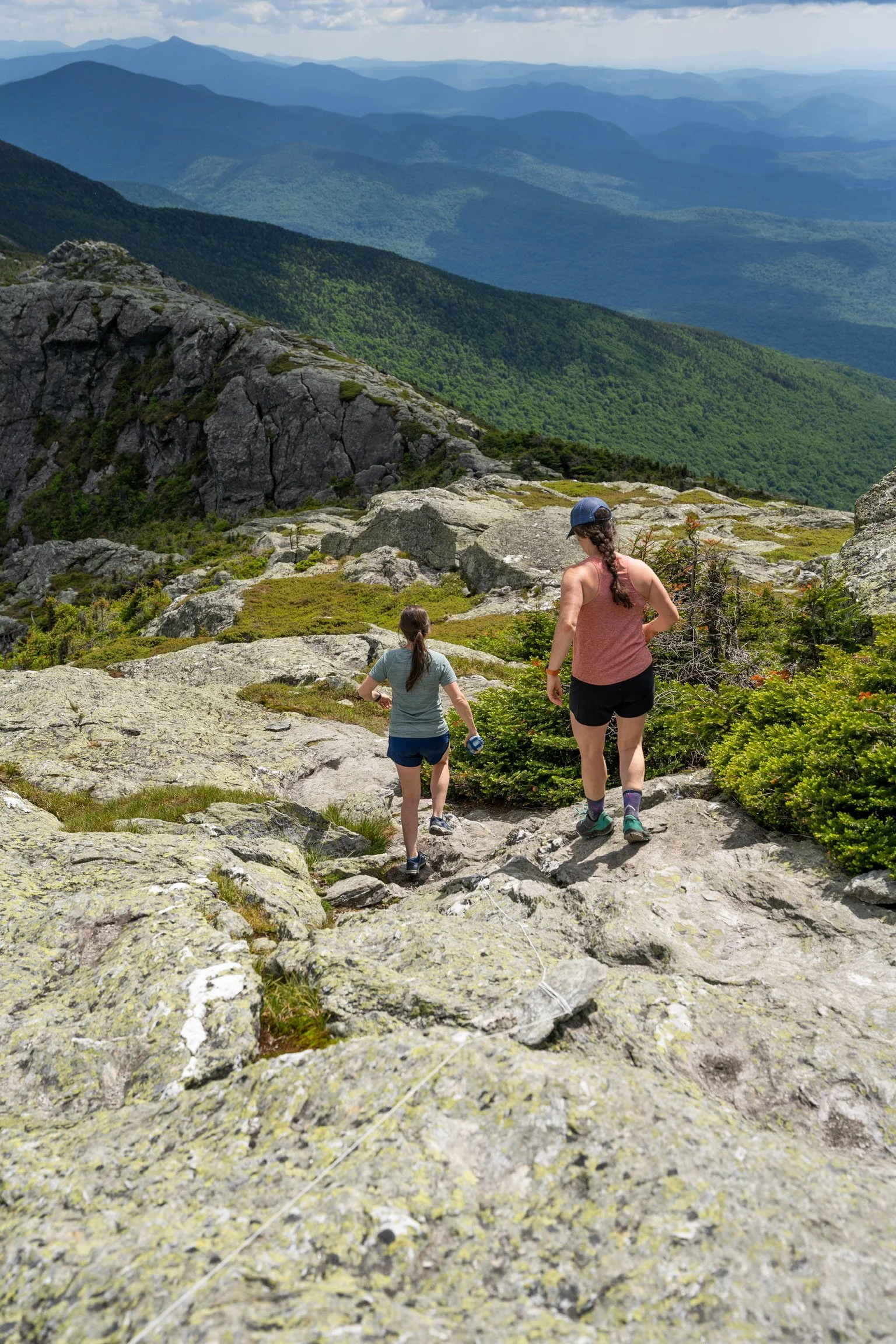
Common contributing factors include:
Poor hip hinge mechanics or fear of bending and lifting
Hip strength or mobility deficits increasing strain on the back
Limited trunk endurance during prolonged standing, hiking, or sitting
Loss of spinal control under increasing load or fatigue
Lower back pain when bending over is especially common when movement has been avoided or guarded. Morning stiffness that improves with activity often reflects sensitivity and reduced tissue tolerance rather than structural damage.
Lower back pain after running or hiking hills frequently relates to trunk endurance limitations and cumulative training load rather than a single injury.
How Physical Therapy Helps Lower Back Pain
Many individuals try rest, repeated hamstring stretching, massage, adjustments, or random core exercises before starting care. While these strategies may temporarily calm symptoms, they often do not address progression or load tolerance.
Physical therapy for lower back pain prioritizes rebuilding confidence in movement and restoring capacity through structured strengthening.
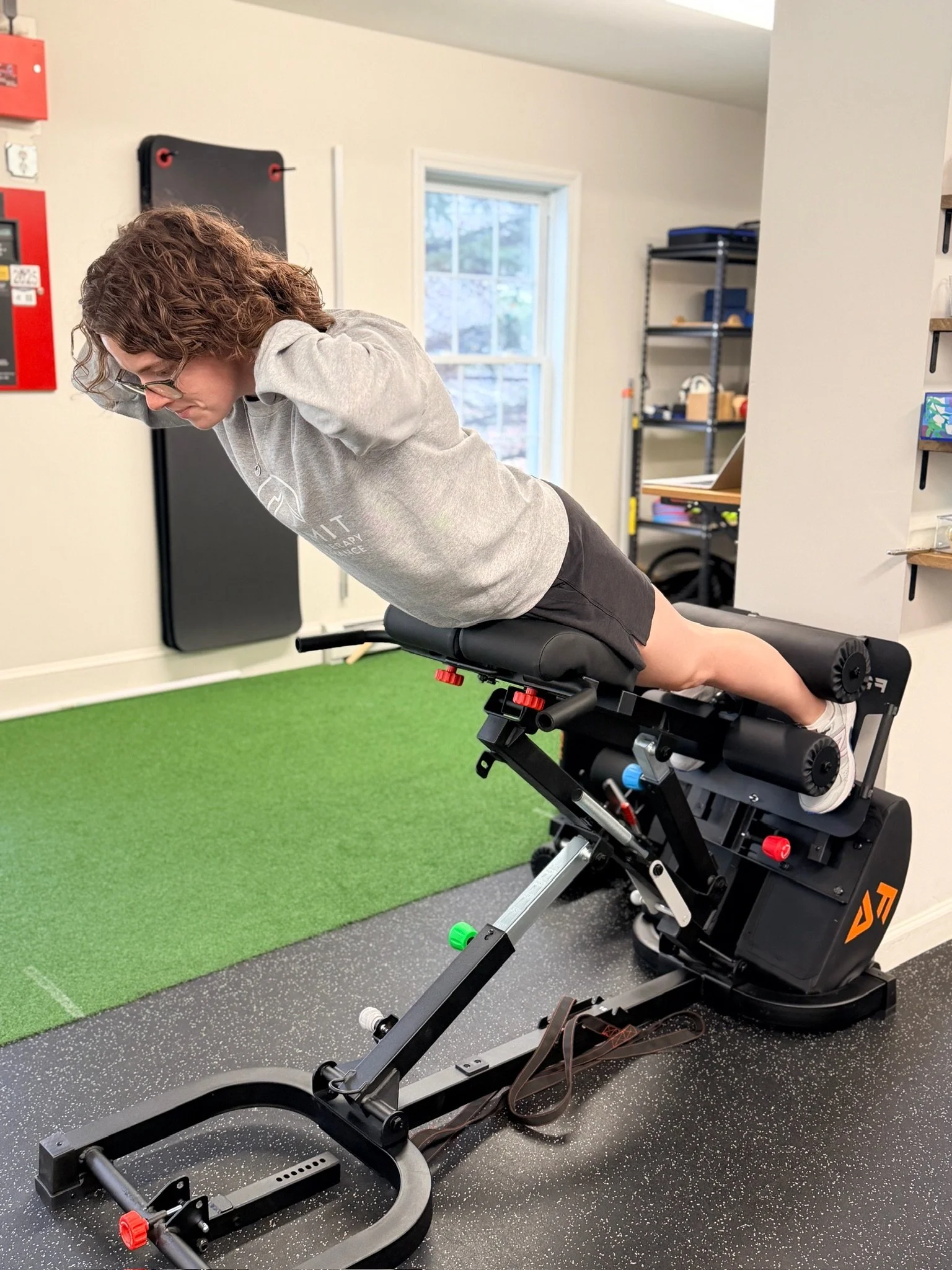
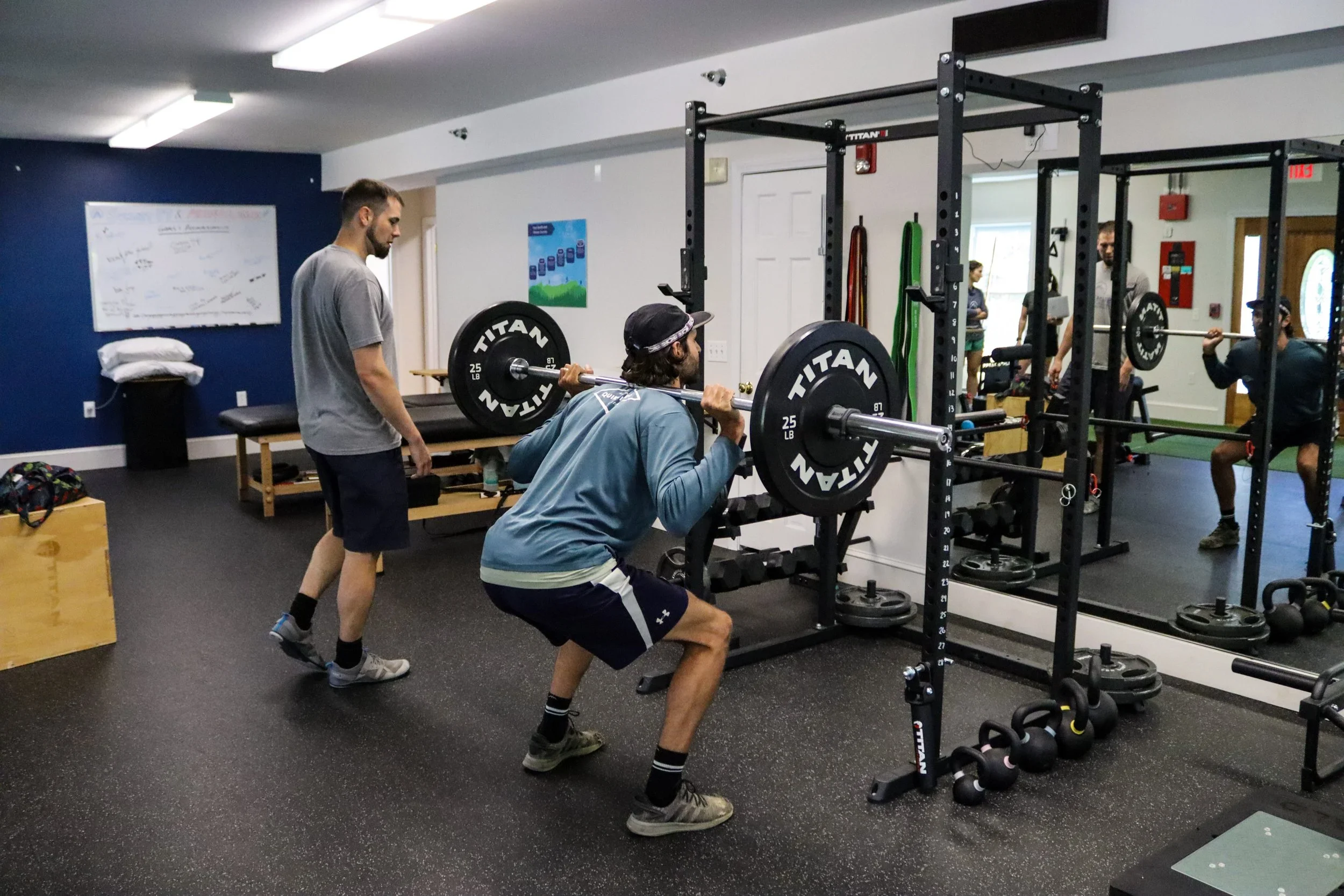
Rather than avoiding bending, lifting, or rotation, we gradually reintroduce these movements in a controlled way. Trunk strength, endurance, and coordination are developed alongside hip strength and movement efficiency.
If you have been told to protect your back indefinitely, it can be reassuring to learn that the spine is adaptable and strong. Pain does not automatically mean damage. Imaging findings such as disc bulges are common and do not always explain symptoms.
The goal is not just symptom relief. It is restoring your ability to move, train, and perform without constant worry about the next flare-up.

Don’t just take our word for it
SEE WHAT ONE OF OUR CLIENTS HAS TO SAY…
The Summit Approach to Lower Back Pain Treatment
Lower back pain treatment at Summit PT is built around reducing fear and rebuilding resilience.
Early priorities include:
Identifying sensitivity patterns and loading tolerance
Reducing fear of bending, lifting, and spinal movement
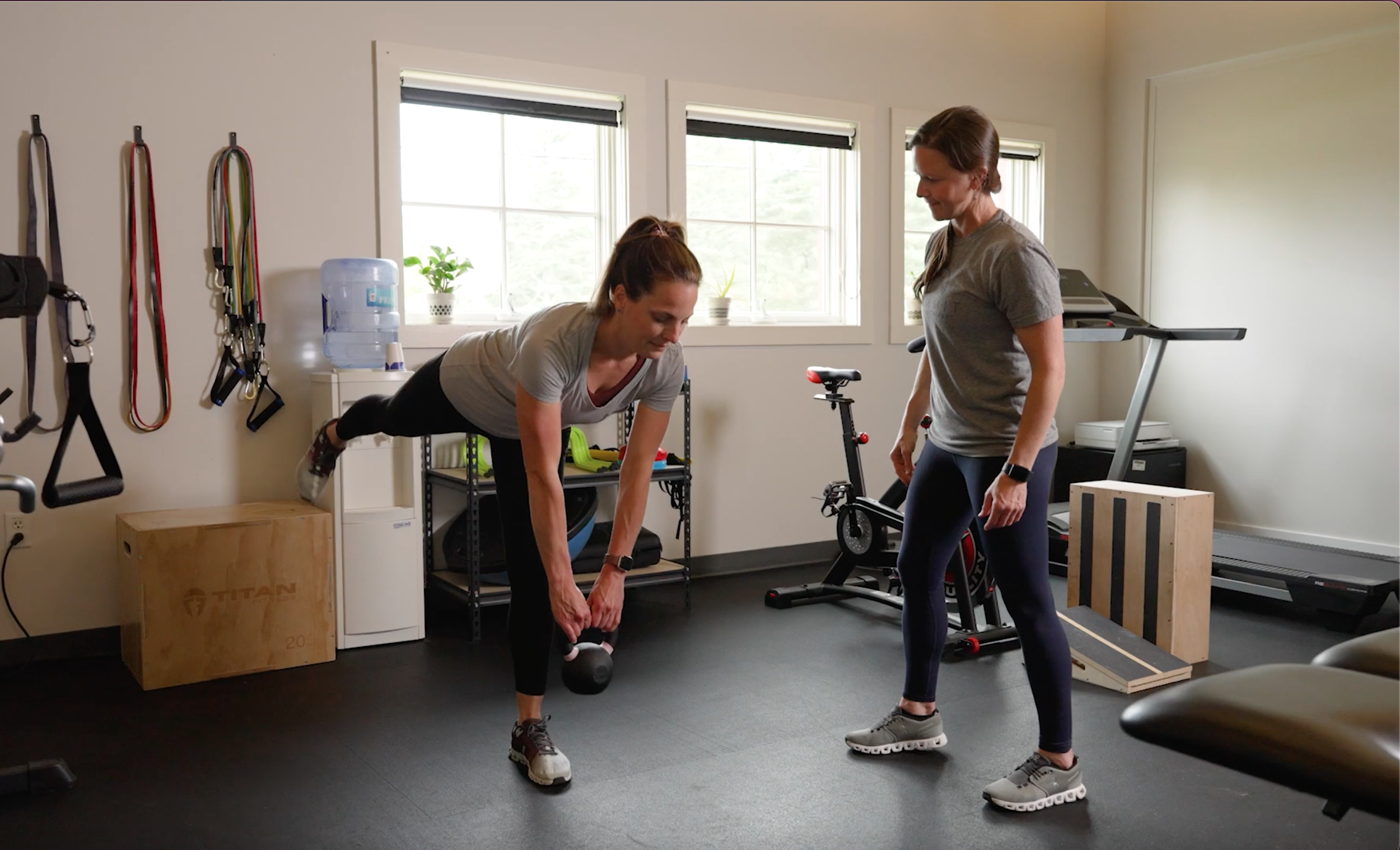
Building trunk strength and endurance progressively
Improving hip strength and hinge mechanics
Creating a graded return-to-activity plan
We also address common misconceptions. The back is not inherently fragile. Disc issues do not automatically require lifelong restrictions. Perfect posture is not required at all times. Pain with movement does not always signal harm.
By improving strength, endurance, and movement control, we focus on reducing risk and preventing recurring episodes where the back suddenly “goes out.”
Serving Patients Across Nearby Vermont Communities
In addition to Stowe, Summit Physical Therapy regularly works with patients from Waterbury, Morrisville, Hyde Park, Cambridge, Jeffersonville, and surrounding Vermont communities. Many people travel to Stowe for specialized physical therapy care that supports an active lifestyle, outdoor recreation, and long-term movement goals.

What to Expect at Your First Visit
Your initial evaluation begins with a detailed discussion of your symptoms, flare-up patterns, training history, and goals. We assess trunk endurance, hip strength, movement mechanics, and tolerance to bending, lifting, and sustained positions.
You will leave your first visit with:
Clear guidance on activity modifications
Targeted strengthening matched to your current tolerance
A structured plan with measurable progression markers
You should understand what is driving your lower back pain and how your program will help you build capacity safely and confidently.
OUR PROCESS
How it Works
We want to make sure we are the best fit to help you reach your goals. This free 15 minute phone call can be scheduled through the link above, or just give us a call!
Free Discovery Call
01
02
Initial Evaluation
Meet 1 on 1 with a provider who will take you through a series of strength and mobility testing to determine the root cause of your problem.
03
Plan of Care
You and your provider will determine the best course of action to solve your problem and get you back to activity as quickly as possible.

Who This Is a Strong Fit For
This approach works particularly well for:
Runners managing recurring lower back pain after increasing mileage
Hikers and skiers experiencing symptoms with hills or prolonged activity
Active adults with morning stiffness that improves with movement
Individuals who feel their back “goes out” episodically
Those seeking long-term solutions rather than repeated passive care
If you want performance-driven lower back pain treatment instead of short-term symptom management, this model is designed for you.
Rebuild Confidence in Your Back
Lower back pain does not have to define your training or daily life.
If you are looking for lower back pain treatment in Stowe and want a structured, progressive approach, Summit PT works with active individuals throughout Stowe and surrounding communities to help them restore strength, movement confidence, and long-term resilience.
Schedule your evaluation today and begin rebuilding capacity for the activities you care about.
-
Lower back pain often develops without a single injury when training load, sitting time, or lifting demands exceed current strength and endurance capacity. In many cases, symptoms reflect sensitivity and reduced tolerance rather than structural damage.
-
Lower back pain when bending over is commonly related to limited hip strength, poor hinge mechanics, or fear-driven movement guarding. Avoiding bending can actually reduce tolerance over time. Gradual reintroduction of load typically improves confidence and symptoms.
-
Morning stiffness that improves with movement is often linked to tissue sensitivity and reduced endurance rather than serious injury. Gentle movement and progressive strengthening usually help reduce recurring morning discomfort.
-
Complete rest is rarely necessary. In most cases, modifying intensity or volume while beginning a structured strengthening program allows you to stay active without worsening symptoms. The goal is restoring load tolerance, not eliminating movement.
-
Imaging is not always required. Findings such as disc bulges are common and do not always explain symptoms. A clinical evaluation can determine whether conservative treatment is appropriate before pursuing imaging.