

Knee Pain Treatment in Stowe, Vermont
Performance-based knee pain treatment for mountain and endurance athletes serving Stowe, Morrisville, Waterbury, and surrounding communities.
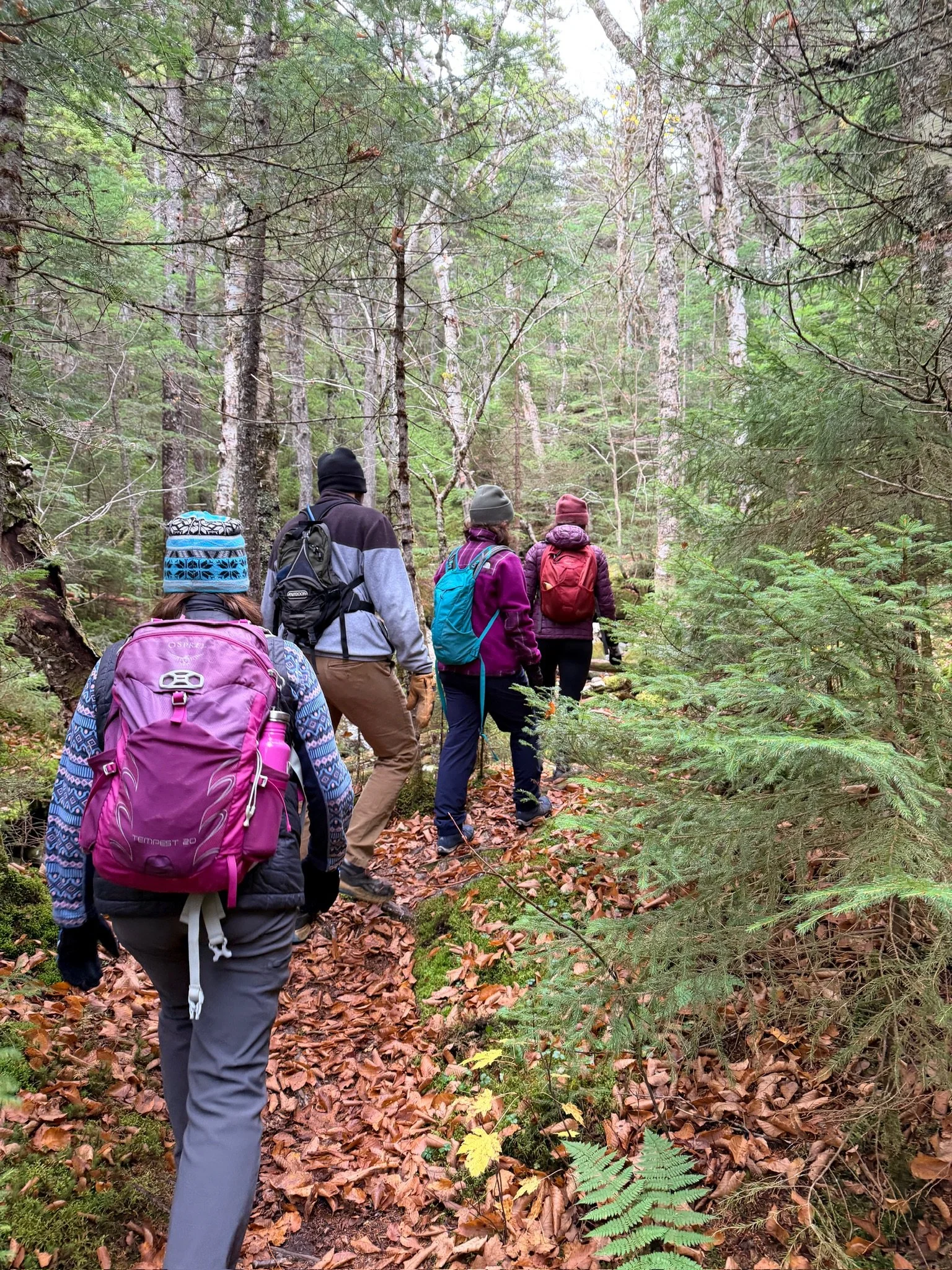
Knee pain is common in runners, skiers, hikers, cyclists, and active adults. What is not common is a plan that addresses why it keeps returning.
At Summit PT, knee pain treatment focuses on restoring strength, improving movement quality, and rebuilding the load tolerance required for mountain and endurance sports. If your symptoms increase with downhill hiking, longer runs, ski days, or repeated training cycles, the issue is often capacity rather than damage.
Effective treatment starts with understanding what is driving the symptoms in the first place.
Why Knee Pain Develops and Persists
Many people search for what causes knee pain, especially when symptoms appear without a specific injury. In active individuals, knee pain often develops when the demands placed on the joint exceed its current capacity.
This can happen after a jump in mileage, vertical gain, ski days, or training intensity. It can also show up when returning to activity after time off, or when subtle strength and control deficits go unnoticed for months.
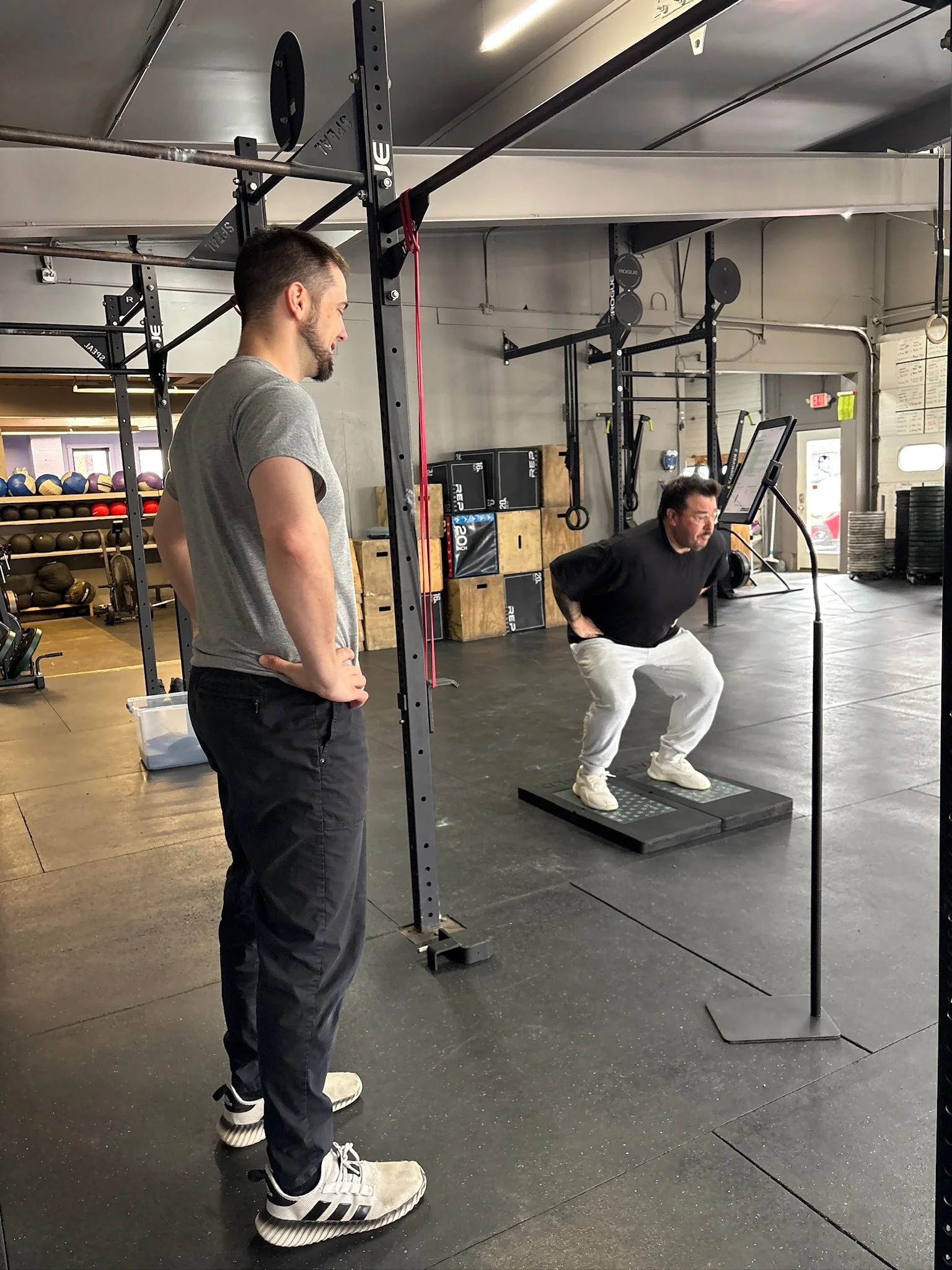
Common contributors we see include:
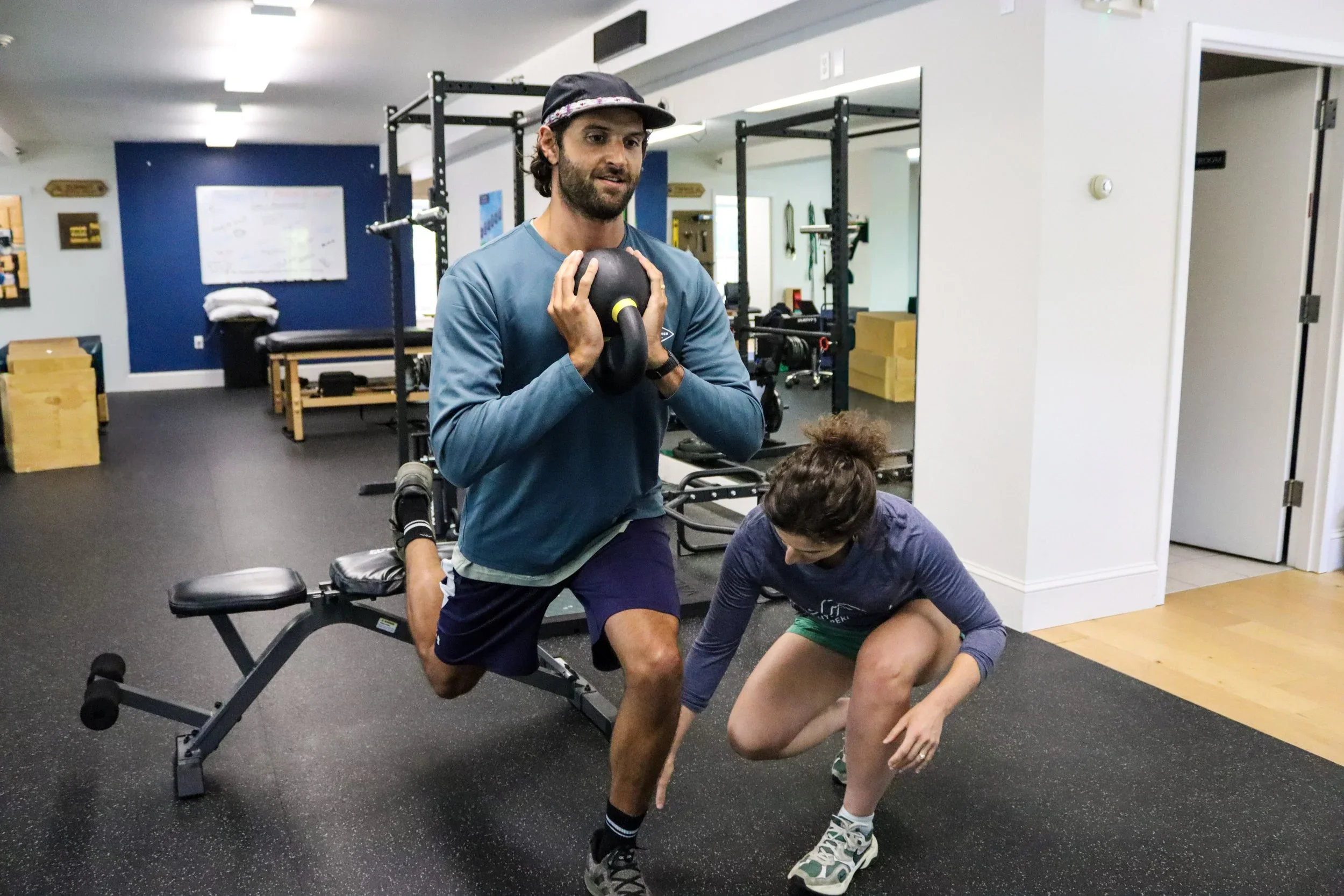
Reduced single-leg strength and control during running, hiking descents, or skiing
Limited ankle mobility that shifts load toward the knee
Hip weakness or endurance limitations during longer efforts
Quad strength asymmetries or tendon load intolerance
Previous ACL or meniscus injuries can also leave lingering deficits if rehabilitation was incomplete.
Understanding your specific knee pain causes is the foundation for long-term progress
How Physical Therapy Helps Knee Pain
Temporary knee pain relief strategies such as rest, ice, or bracing may calm symptoms, but they rarely rebuild true resilience.
Physical therapy for knee pain focuses on restoring load tolerance and improving how force is absorbed and transferred through the lower body. That means progressive strengthening, refining movement mechanics, and gradually reintroducing sport-specific demands.
Rather than avoiding loading the knee, we help it tolerate load more effectively. For runners, that may involve improving cadence, stride mechanics, and single-leg strength. For skiers and hikers, it often means developing eccentric quad strength and control for descents.
The goal is not just symptom reduction. It is restoring confidence in your knee during real-world effort.

Don’t just take our word for it
SEE WHAT ONE OF OUR CLIENTS HAS TO SAY…
The Summit Approach to Knee Pain Treatment
Knee pain treatment at Summit PT is built around the demands of mountain environments and endurance sports.
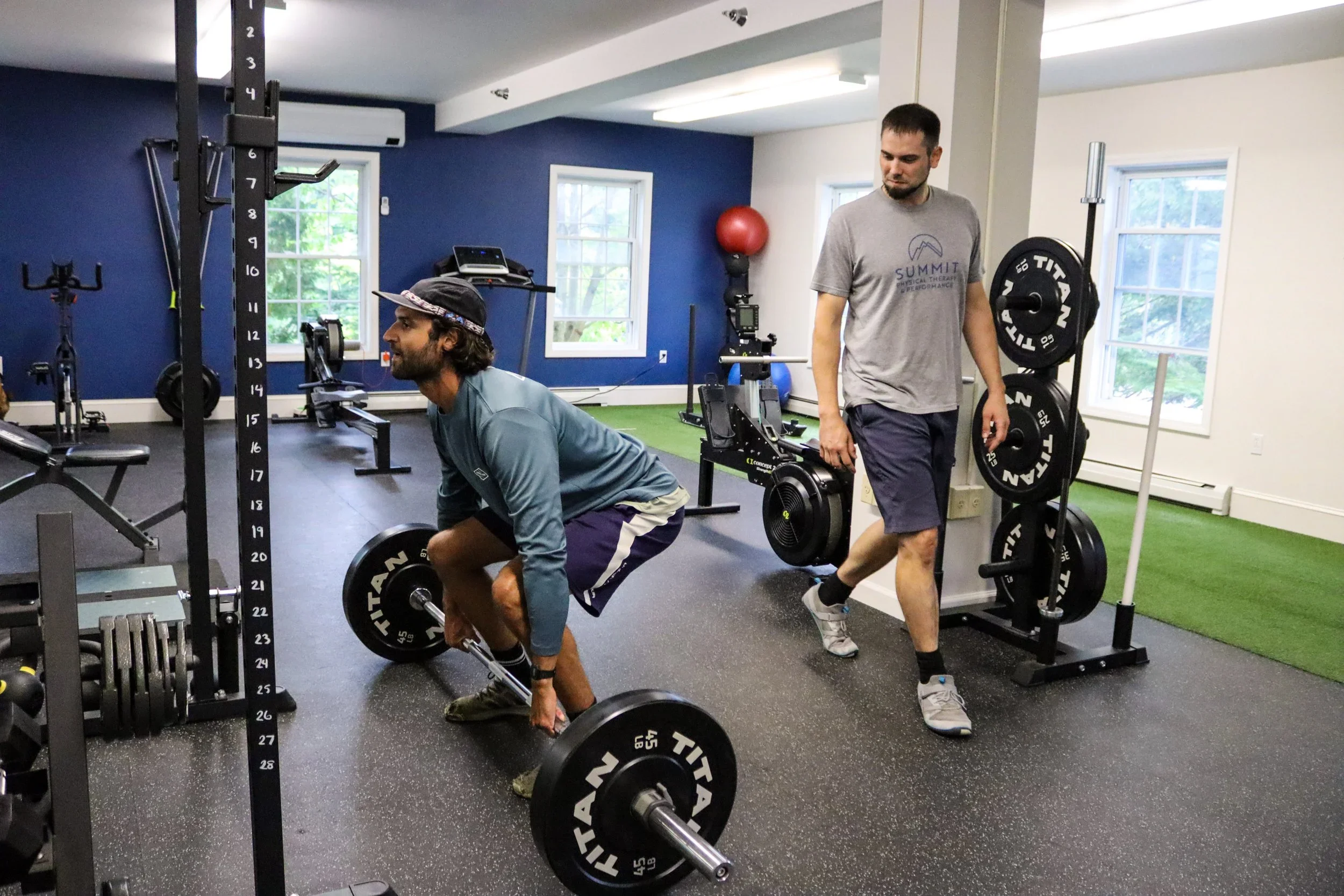
Our approach emphasizes:
Keeping you active while reducing flare-ups
Progressive strengthening that reflects real sport demands
Building single-leg control and endurance
Improving movement efficiency on uneven terrain
We also address common misconceptions. Pain does not automatically mean structural damage. Arthritis does not mean you should stop loading. Avoiding squats and step-downs altogether often prolongs symptoms. Long-term improvement requires rebuilding strength and capacity.
Our focus is reducing risk, rebuilding resilience, and supporting sustainable performance.
Serving Patients Across Nearby Vermont Communities
In addition to Stowe, Summit Physical Therapy regularly works with patients from Waterbury, Morrisville, Hyde Park, Cambridge, Jeffersonville, and surrounding Vermont communities. Many people travel to Stowe for specialized physical therapy care that supports an active lifestyle, outdoor recreation, and long-term movement goals.

What to Expect at Your First Visit
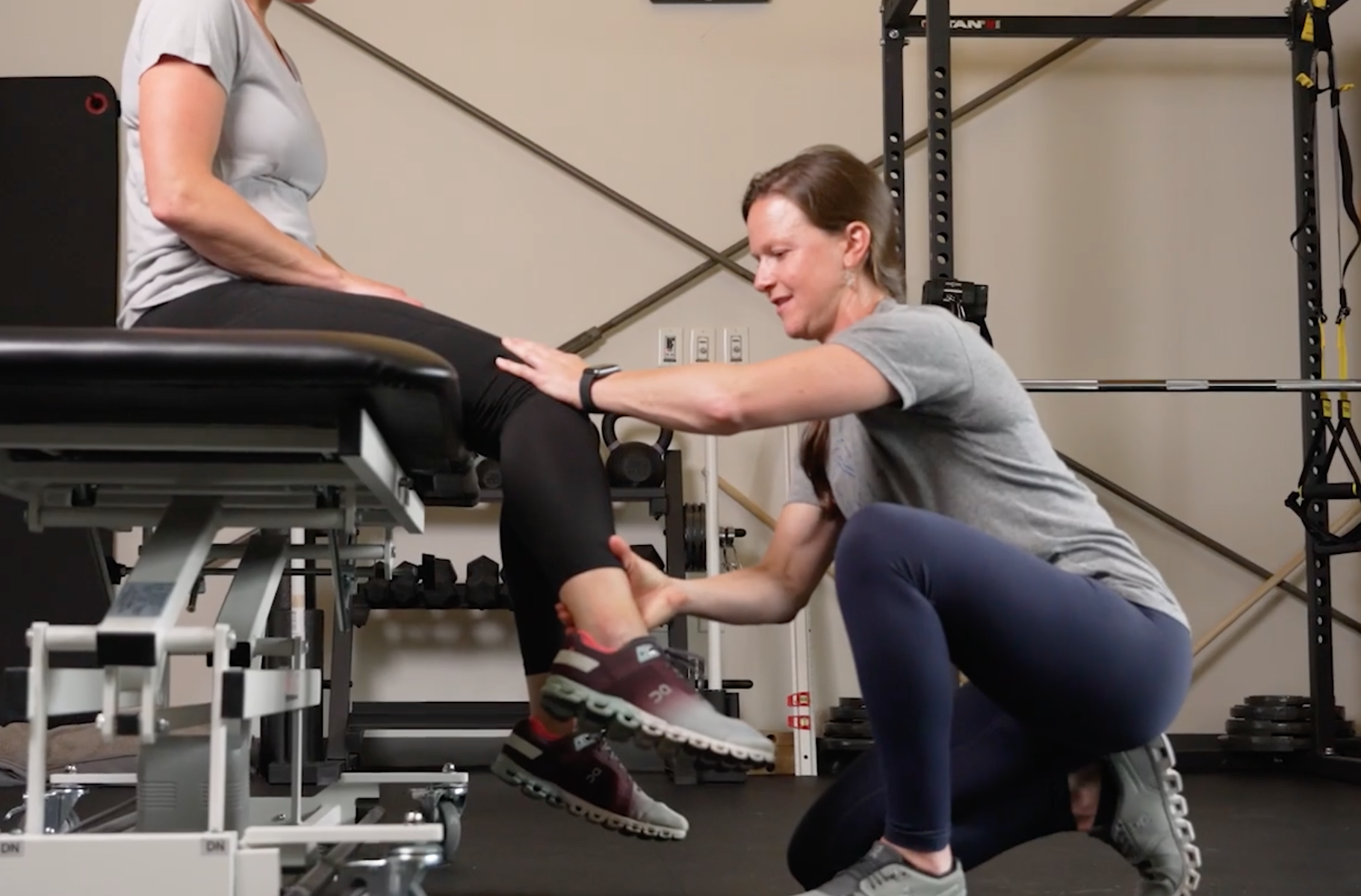
Your initial visit is centered around understanding your training history, symptom behavior, and performance goals. We assess strength, mobility, asymmetries, and single-leg control in ways that reflect the demands of your sport.
You will leave with clear guidance on what to modify immediately, targeted exercises matched to your current capacity, and a structured plan with measurable progress markers.
You should understand exactly what is driving your knee pain and what steps will move you forward.
How it Works
OUR PROCESS
We want to make sure we are the best fit to help you reach your goals. This free 15 minute phone call can be scheduled through the link above, or just give us a call!
Free Discovery Call
01
02
Initial Evaluation
Meet 1 on 1 with a provider who will take you through a series of strength and mobility testing to determine the root cause of your problem.
03
Plan of Care
You and your provider will determine the best course of action to solve your problem and get you back to activity as quickly as possible.
Who This Is a Strong Fit For
This approach works especially well for:
Runners dealing with persistent anterior or lateral knee pain
Skiers who feel pain or instability on downhill terrain
Hikers limited by descents
Cyclists experiencing load-related discomfort
Active adults seeking long-term solutions instead of temporary relief
If you want a performance-driven approach to knee pain treatment rather than a generic protocol, this model is designed for you.
Start Building Stronger Knees
Knee pain does not need to dictate your training cycle.
If you are looking for knee pain treatment and want a structured, progressive plan, Summit PT works with active individuals throughout Stowe and surrounding communities to help them move with strength and confidence.
Schedule your evaluation today and begin rebuilding strength, control, and capacity for the activities you care about.
-
You should consider physical therapy for knee pain if symptoms last more than one to two weeks, return repeatedly with training, or limit running, hiking, skiing, or cycling. Early intervention helps address strength and movement deficits before the problem becomes persistent.
-
Knee pain without a clear injury often develops when training load exceeds the joint’s current capacity. Common contributors include single-leg strength deficits, limited ankle mobility, hip weakness, and sudden increases in mileage or vertical gain.
-
Not necessarily. Knee pain does not automatically mean structural damage. Many cases are related to load tolerance and movement control rather than tissue injury. A thorough evaluation helps determine whether symptoms are capacity-based or require further medical referral.
-
Complete rest is rarely required. In many cases, modifying volume or intensity while beginning progressive strengthening allows you to stay active without worsening symptoms. The goal is reducing flare-ups while rebuilding tolerance to load.
-
Recovery timelines vary based on irritability, strength deficits, and training demands. Many athletes notice meaningful improvement within several weeks when following a structured, progressive plan that targets underlying capacity limitations.