
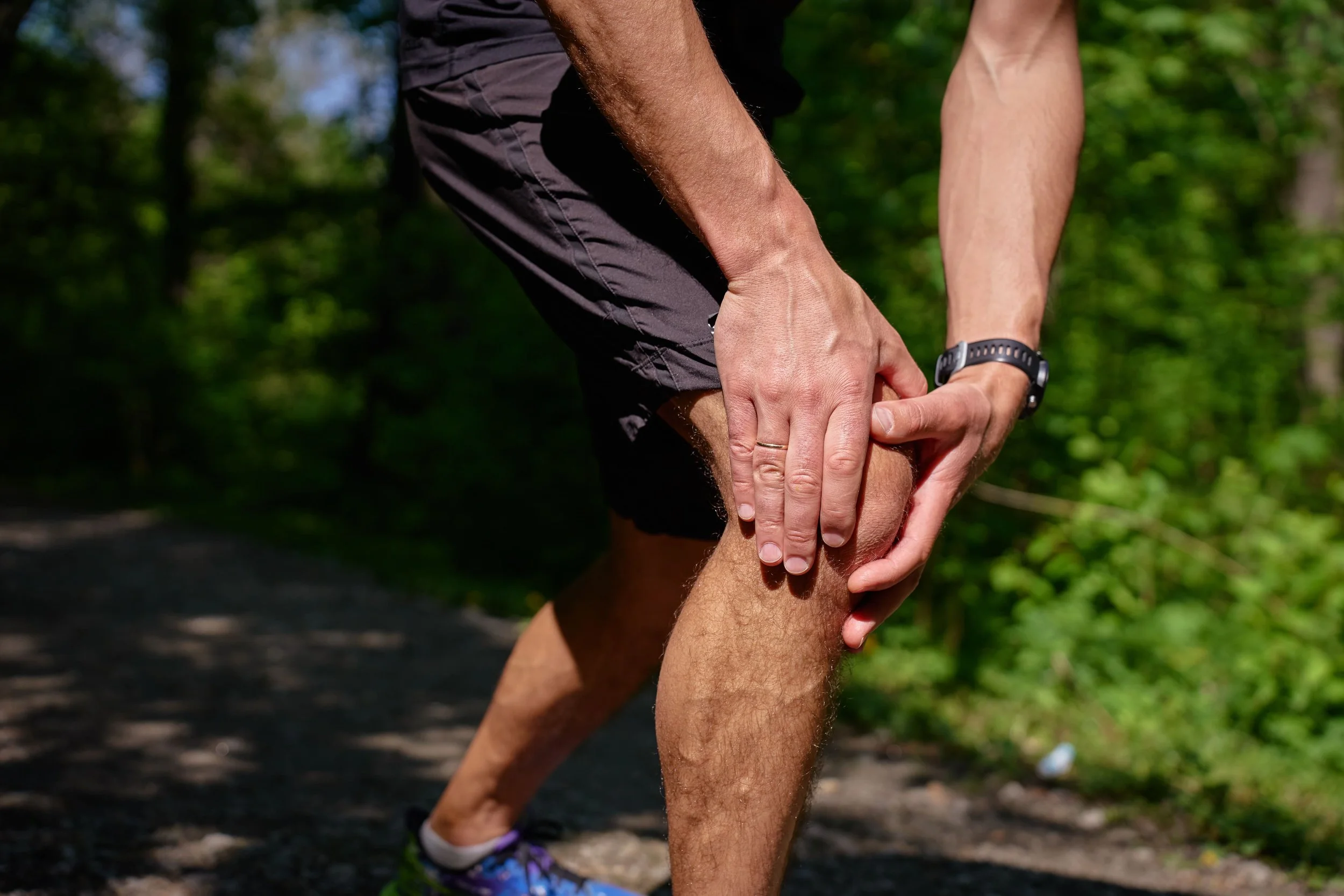
IT Band Pain Treatment in Stowe, Vermont
Performance-based IT band pain treatment for runners and mountain athletes serving Stowe, Morrisville, Waterbury, and surrounding communities.

Sciatica and radiating back pain often feel different from typical low back discomfort.
Pain may travel from the low back into the glute, leg, or even the foot. Some people notice burning, tingling, or numbness. Others feel symptoms worsen with sitting, driving, or bending.
For many, symptoms come and go, creating uncertainty around what is safe to do.
At Summit PT, treatment focuses on reducing nerve sensitivity, restoring movement, and helping you return to activity without fear of making things worse.
Why IT Band Pain Develops and Persists
Many athletes search for ways to stretch or loosen the IT band, but the issue is rarely caused by the band itself being "tight."
In most cases, IT band pain develops when training demands exceed the body's ability to control and absorb load efficiently. Small changes in strength, endurance, running mechanics, or training volume can increase stress on the outside of the knee over time.
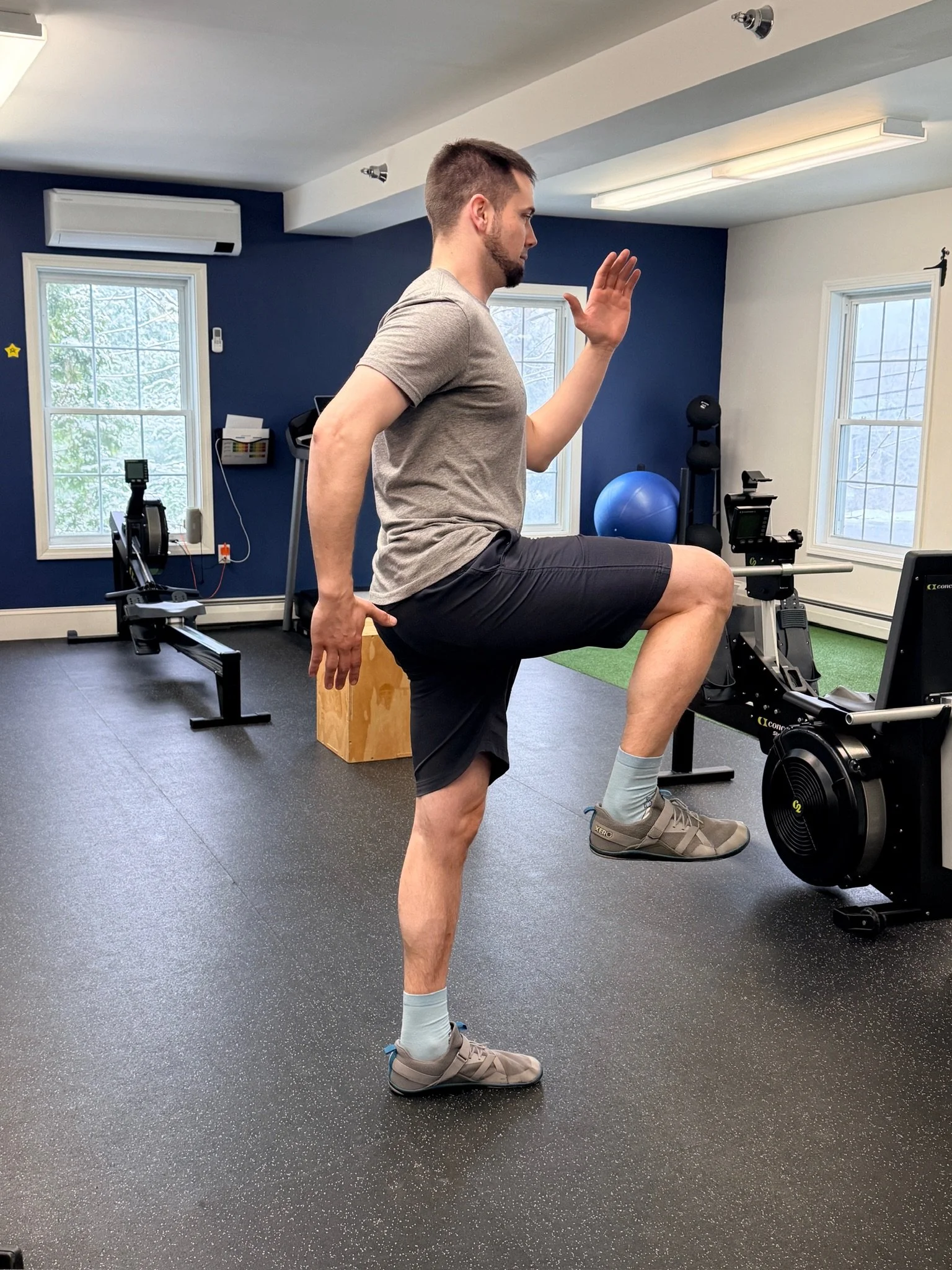
Common contributing factors include:
Hip abductor weakness affecting single-leg stability
Poor control of the knee and hip during running and step-down movements
Fatigue-related changes in movement mechanics
Rapid increases in mileage, elevation, or training intensity
Reduced strength and endurance during longer efforts
Many runners notice symptoms appear at a predictable point during a run, especially during descents or after periods of increased training.
How Physical Therapy Helps IT Band Pain
Many athletes try foam rolling, stretching, taping, or taking time away from running before seeking treatment. While these approaches may provide temporary relief, they often do not address the factors driving the irritation.
Physical therapy for IT band pain focuses on improving how the body manages load during running and other endurance activities.
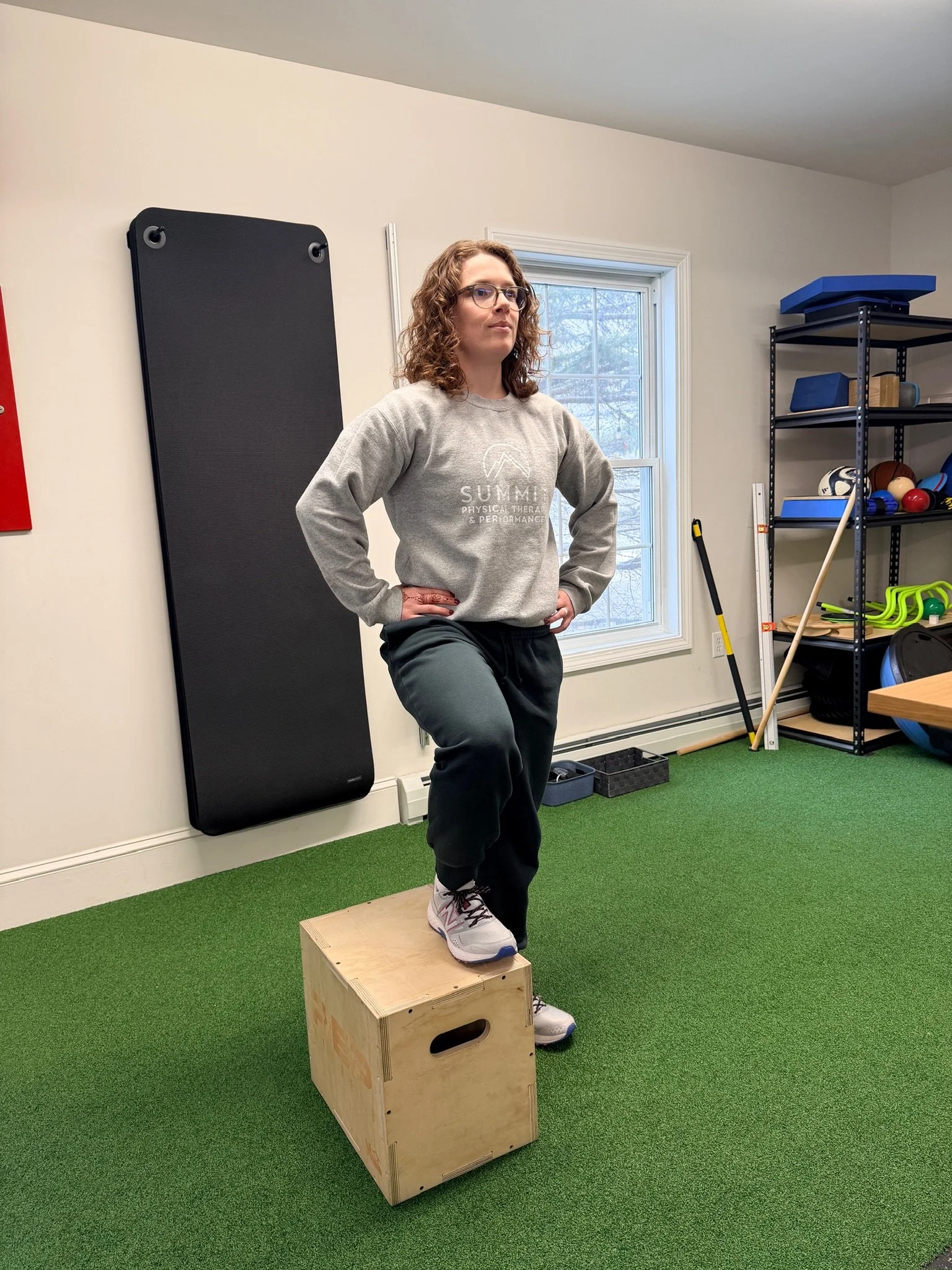
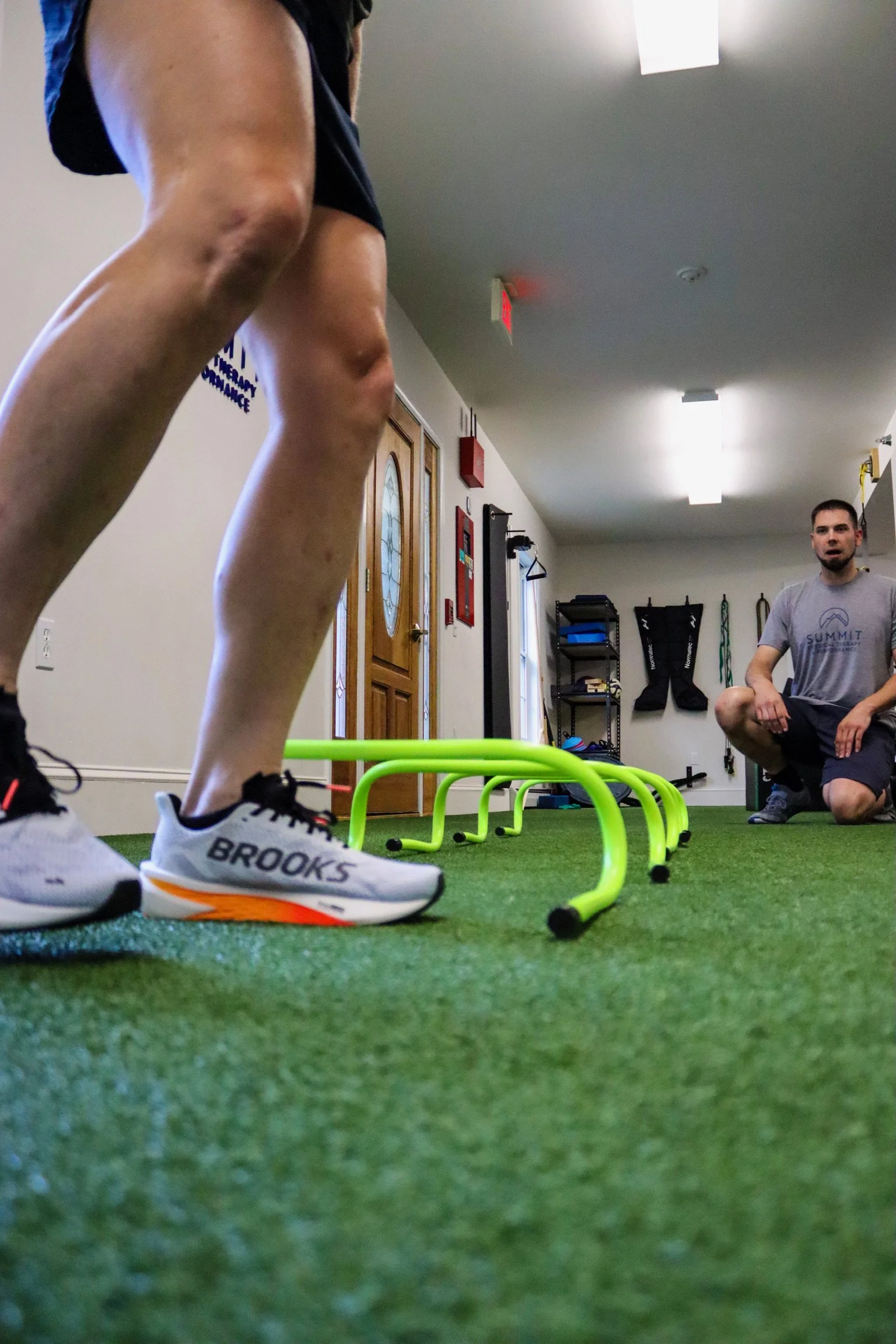
Treatment typically includes progressive strengthening, single-leg stability training, and movement retraining to improve control through the hip and knee. Running mechanics and training progression are also addressed to help reduce recurring flare-ups.
Rather than shutting down activity completely, we work to keep athletes moving whenever possible while symptoms calm down.
The objective is helping you return to consistent training without repeatedly starting over.
Don’t just take our word for it
SEE WHAT ONE OF OUR CLIENTS HAS TO SAY…

At Summit PT, treatment is built around the demands of running, hiking, cycling, and mountain sports.
The Summit Approach to IT Band Pain Treatment
Early priorities include:
Reducing irritation while maintaining appropriate activity
Addressing hip strength and control deficits
Improving running mechanics and load management
Building single-leg strength and endurance
Creating a gradual return-to-running progression
We also address common misconceptions. The IT band itself is not something that can meaningfully be stretched. Foam rolling may help symptoms temporarily, but it rarely solves the underlying issue. And most runners do not need to stop running completely to recover.
Our focus is identifying why symptoms developed and helping you build the resilience needed for long-term success.
Serving Patients Across Nearby Vermont Communities
In addition to Stowe, Summit Physical Therapy regularly works with patients from Waterbury, Morrisville, Hyde Park, Cambridge, Jeffersonville, and surrounding Vermont communities. Many people travel to Stowe for specialized physical therapy care that supports an active lifestyle, outdoor recreation, and long-term movement goals.

What to Expect at Your First Visit
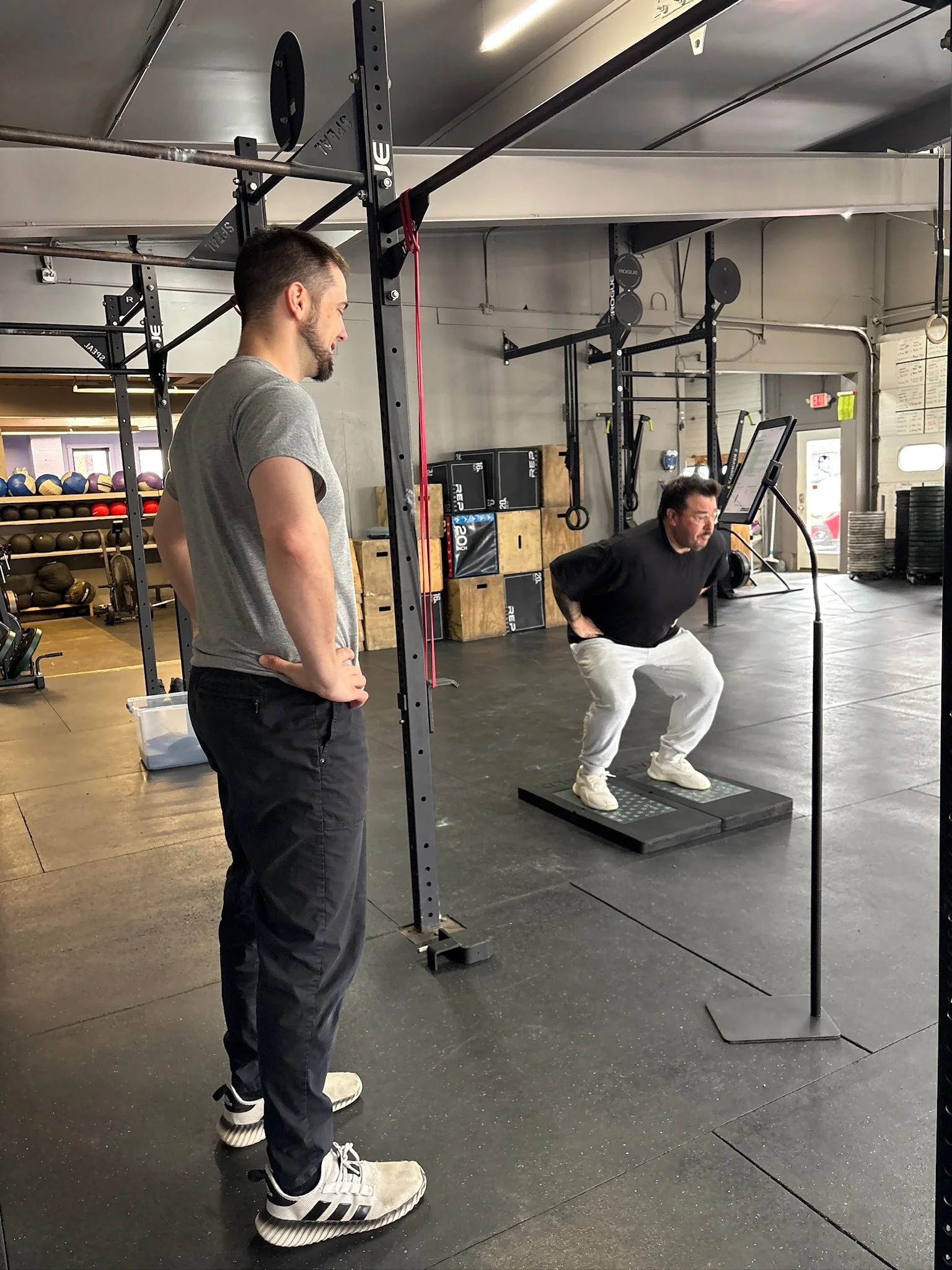
Your first visit begins with a detailed discussion of your symptoms, training history, and goals. We assess strength, mobility, movement quality, and running-related factors that may be contributing to the problem.
You will leave your first session with:
A clear understanding of what is driving your symptoms
Guidance on training modifications when needed
Targeted exercises matched to your current capacity
A structured plan for returning to full training
You should leave knowing exactly what the next steps are and how your treatment plan supports your goals.
How it Works
OUR PROCESS
01
We want to make sure we are the best fit to help you reach your goals. This free 15 minute phone call can be scheduled through the link above, or just give us a call!
Free Discovery Call
02
Initial Evaluation
Meet 1 on 1 with a provider who will take you through a series of strength and mobility testing to determine the root cause of your problem.
03
Plan of Care
You and your provider will determine the best course of action to solve your problem and get you back to activity as quickly as possible.
Who This Is a Strong Fit For
This approach is particularly effective for:
Runners experiencing pain on the outside of the knee
Athletes whose symptoms appear during downhill running
Cyclists dealing with recurring lateral knee pain
Individuals frustrated by symptoms that return after rest
Endurance athletes seeking long-term solutions rather than temporary relief
If you want a performance-focused approach that addresses the root cause of IT band pain, this model is designed for you.
Keep Running Without Recurring Knee Pain
IT band pain does not have to become a recurring part of your training.
If you are looking for IT band pain treatment, Summit PT works with active individuals throughout Stowe and surrounding communities to restore strength, improve movement, and support a confident return to activity.
Schedule your evaluation today and start building the capacity needed for the miles ahead.
-
IT band pain is often related to how the hip, knee, and lower extremity manage load during running. Factors such as hip weakness, reduced single-leg stability, training spikes, and fatigue-related movement changes commonly contribute to symptoms.
-
Foam rolling may temporarily reduce discomfort, but it does not address the underlying factors that typically cause IT band pain. Long-term improvement usually requires strengthening, load management, and movement retraining.
-
Not necessarily. Many runners can continue training with appropriate modifications while addressing the root causes of the problem. The right approach depends on symptom severity and irritability.
-
Not usually. While athletes often describe feeling tightness along the outside of the thigh, the condition is more commonly related to strength, control, and training load than the IT band being physically tight.
-
Recovery timelines vary, but many runners begin noticing improvement within several weeks. Consistent strengthening, appropriate training modifications, and progressive return-to-running strategies typically produce the best outcomes.