

Hip Pain Treatment in Stowe, Vermont
Performance-based hip pain treatment for mountain and endurance athletes serving Stowe, Morrisville, Waterbury, and surrounding communities.
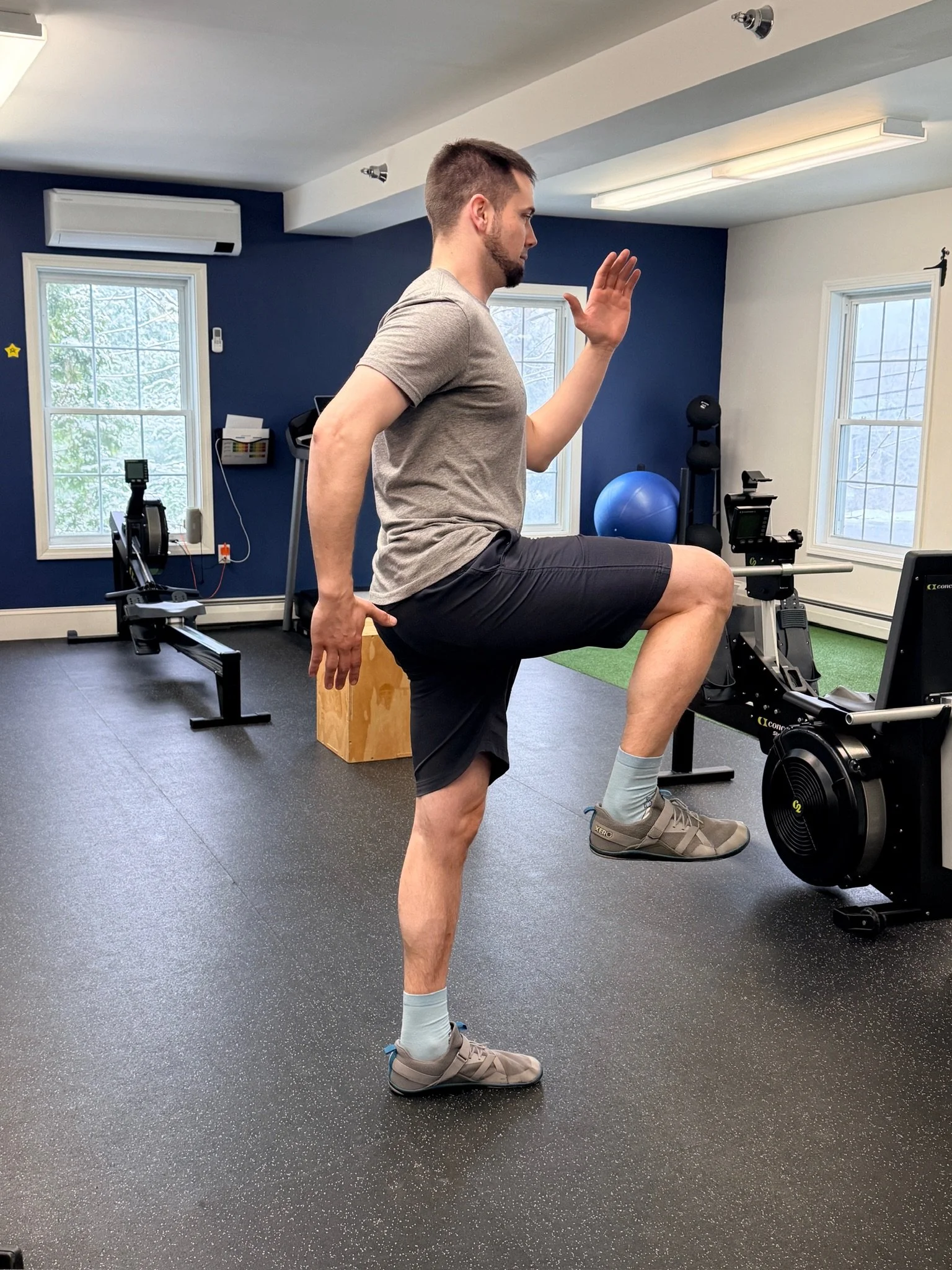
Hip pain often begins as a dull ache in the front or side of the hip. Discomfort during longer runs or hikes. Tightness when getting out of the car or after sitting for extended periods. Irritation that builds with hills, stairs, or single-leg activity.
Over time, these symptoms can begin to limit training volume, reduce confidence on uneven terrain, and affect everyday movement.
At Summit PT, hip pain treatment focuses on restoring strength, improving movement control, and rebuilding the single-leg capacity required for running, skiing, hiking, and other mountain activities. If symptoms worsen as you increase mileage or vertical gain, the issue is often related to load tolerance and movement mechanics rather than a single structural problem.
Effective treatment begins with identifying what is driving your symptoms.
Why Hip Pain Develops and Persists
Many active individuals search for what causes hip pain when discomfort begins to interfere with training or daily activity. In endurance and mountain athletes, hip pain commonly develops when repetitive single-leg loading exceeds the current strength, control, or mobility of the hip and surrounding musculature.
Front or side hip pain with running, discomfort with stairs, and symptoms during prolonged sitting are some of the most common patterns we see. These issues often relate to poor load distribution, reduced hip strength, or limited tolerance to sustained flexion positions rather than a sudden injury.

Common contributing factors include:
Weakness and endurance deficits during single-leg loading
Poor control during running, step-downs, and hiking descents
Pain or restriction with hip flexion and rotation
Pelvic and trunk control deficits, especially under fatigue
Training loads that increase faster than the body can adapt
Understanding these contributing factors allows treatment to focus on the specific mechanical and capacity-related drivers of symptoms rather than treating all hip pain as the same condition.
How Physical Therapy Helps Hip Pain
Many patients try stretching, foam rolling, or generic glute exercises before starting physical therapy. While these approaches may temporarily reduce tightness or soreness, they often do not provide the progressive loading needed to restore long-term function and prevent recurrence.
Physical therapy for hip pain focuses on restoring comfortable movement first, then progressively rebuilding strength, endurance, and control during single-leg tasks and sport-specific activity.
Rather than avoiding hills, stairs, or running entirely, we help you gradually regain the capacity to tolerate those demands. Treatment may include progressive strengthening of the glutes and hip stabilizers, movement retraining for running or hiking mechanics, and graded exposure to positions that were previously painful, such as deep hip flexion or rotational movements.
The goal is not simply reducing symptoms. It is restoring confidence and performance during real-world loading and terrain.
Don’t just take our word for it

SEE WHAT ONE OF OUR CLIENTS HAS TO SAY…
The Summit Approach to Hip Pain Treatment
Hip pain treatment at Summit PT is built around the high demands placed on the hips during mountain sports and endurance training, where single-leg control and fatigue resistance are critical.
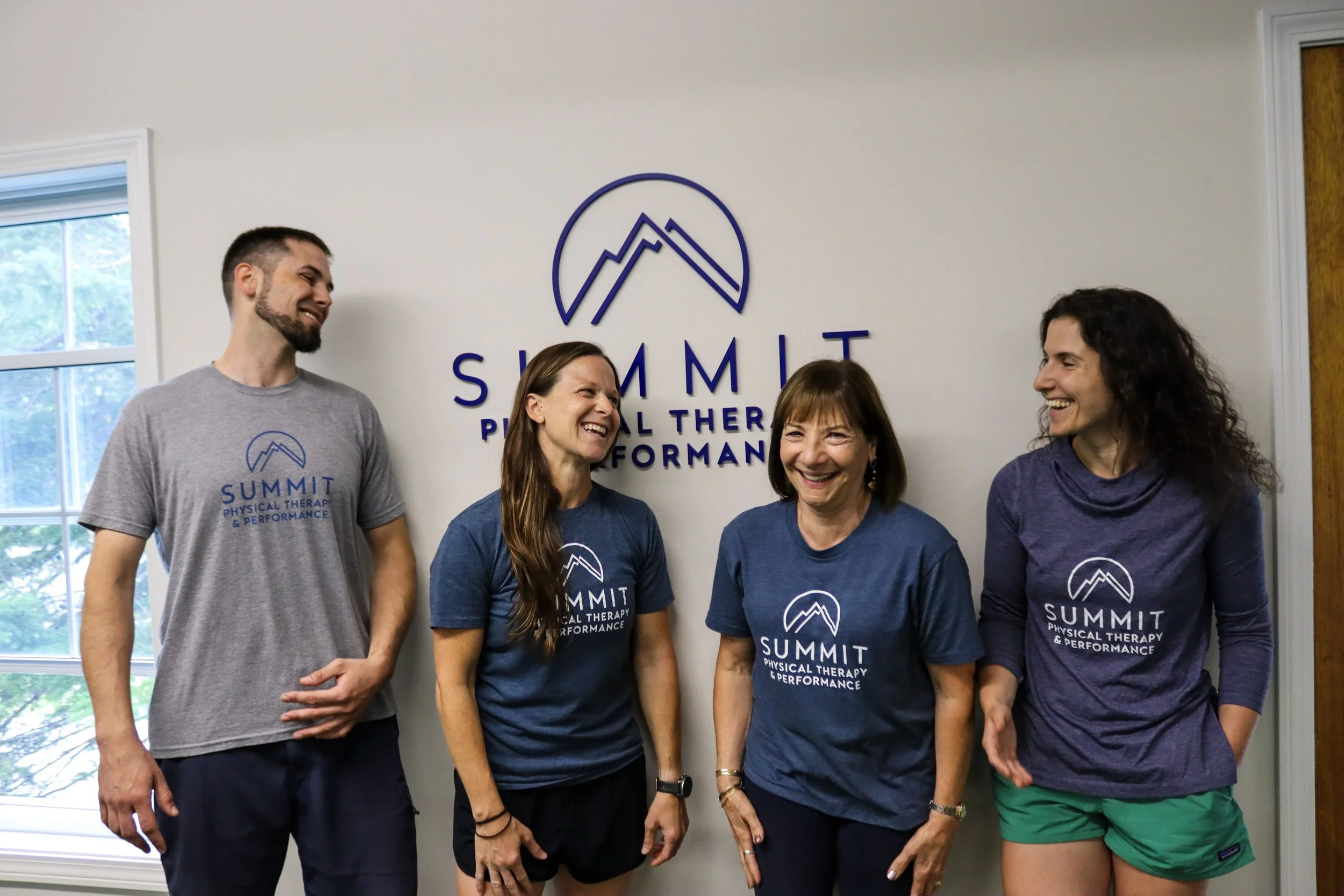
Our early priorities include:
Clarifying the specific driver of hip pain and irritability level
Keeping patients active through appropriate training and activity modifications
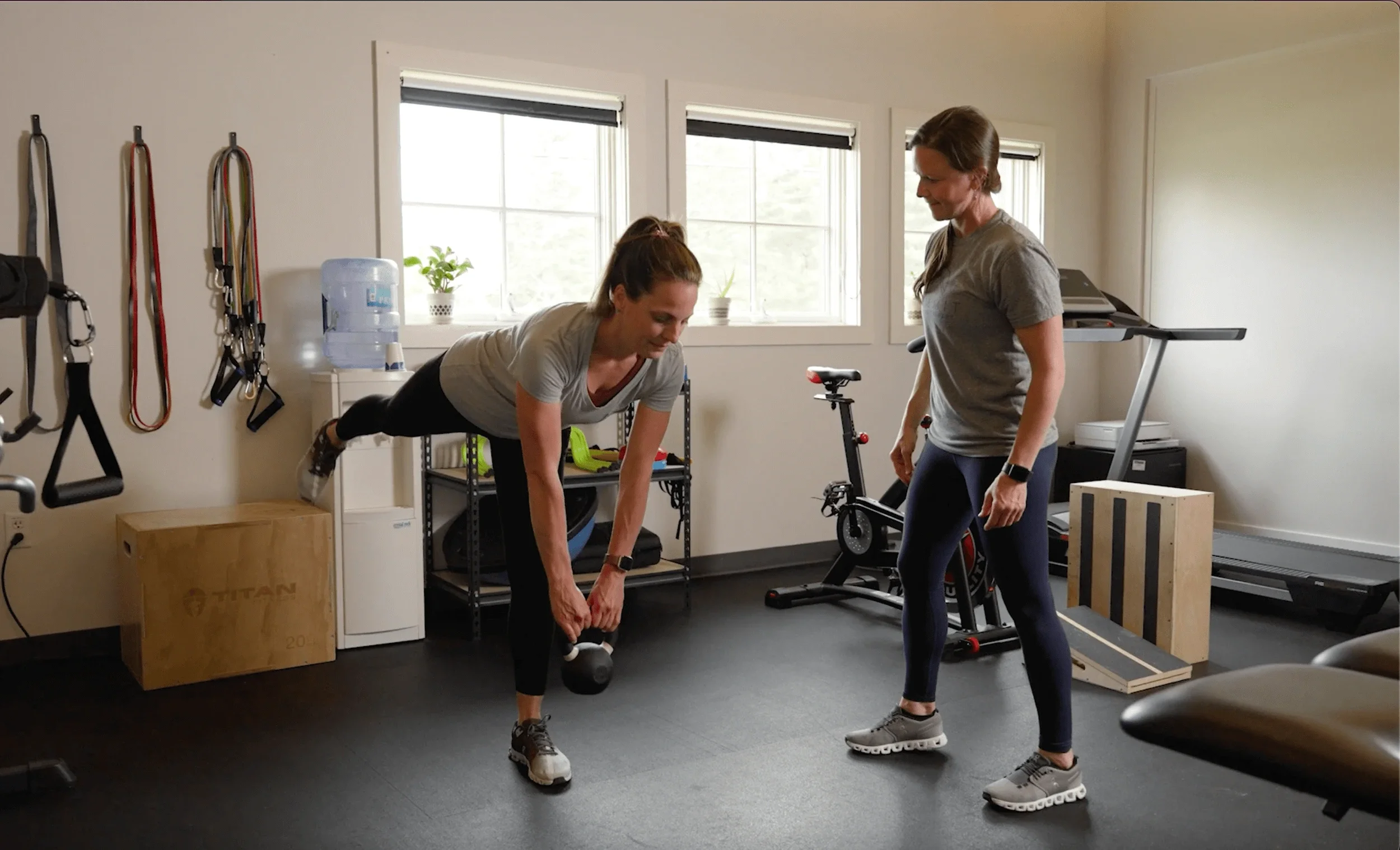
Progressive single-leg strengthening to rebuild capacity and control
Addressing sport-specific mechanics such as running gait or skiing posture
Teaching symptom guidelines so patients can train with confidence rather than fear
We also address common misconceptions. Tightness does not always mean more stretching is needed. Hip impingement does not automatically require surgery. Pain does not always indicate structural damage, and stopping all activity is rarely the most effective long-term solution.
Our focus is reducing risk, restoring efficient movement, and supporting long-term participation in the activities you care about.
Serving Patients Across Nearby Vermont Communities
In addition to Stowe, Summit Physical Therapy regularly works with patients from Waterbury, Morrisville, Hyde Park, Cambridge, Jeffersonville, and surrounding Vermont communities. Many people travel to Stowe for specialized physical therapy care that supports an active lifestyle, outdoor recreation, and long-term movement goals.

What to Expect at Your First Visit
Your initial evaluation begins with a detailed conversation about your symptoms, training history, terrain exposure, and daily movement patterns. We assess hip mobility, single-leg strength, pelvic control, and how your symptoms respond to different movements and loads.
You will leave your first visit with:
Clear guidance on training and daily activity modifications
Targeted exercises matched to your current irritability level
A structured progression plan focused on rebuilding single-leg strength and control
Education on how to adjust volume and intensity without completely stopping activity
You should leave your first visit with a clear understanding of what is contributing to your hip pain and how your program will help you return to comfortable movement and performance.

OUR PROCESS
How it Works
We want to make sure we are the best fit to help you reach your goals. This free 15 minute phone call can be scheduled through the link above, or just give us a call!
Free Discovery Call
01
02
Initial Evaluation
Meet 1 on 1 with a provider who will take you through a series of strength and mobility testing to determine the root cause of your problem.
03
Plan of Care
You and your provider will determine the best course of action to solve your problem and get you back to activity as quickly as possible.
Who This Is a Strong Fit For
This approach is particularly effective for:
Runners experiencing front or side hip pain that increases with mileage
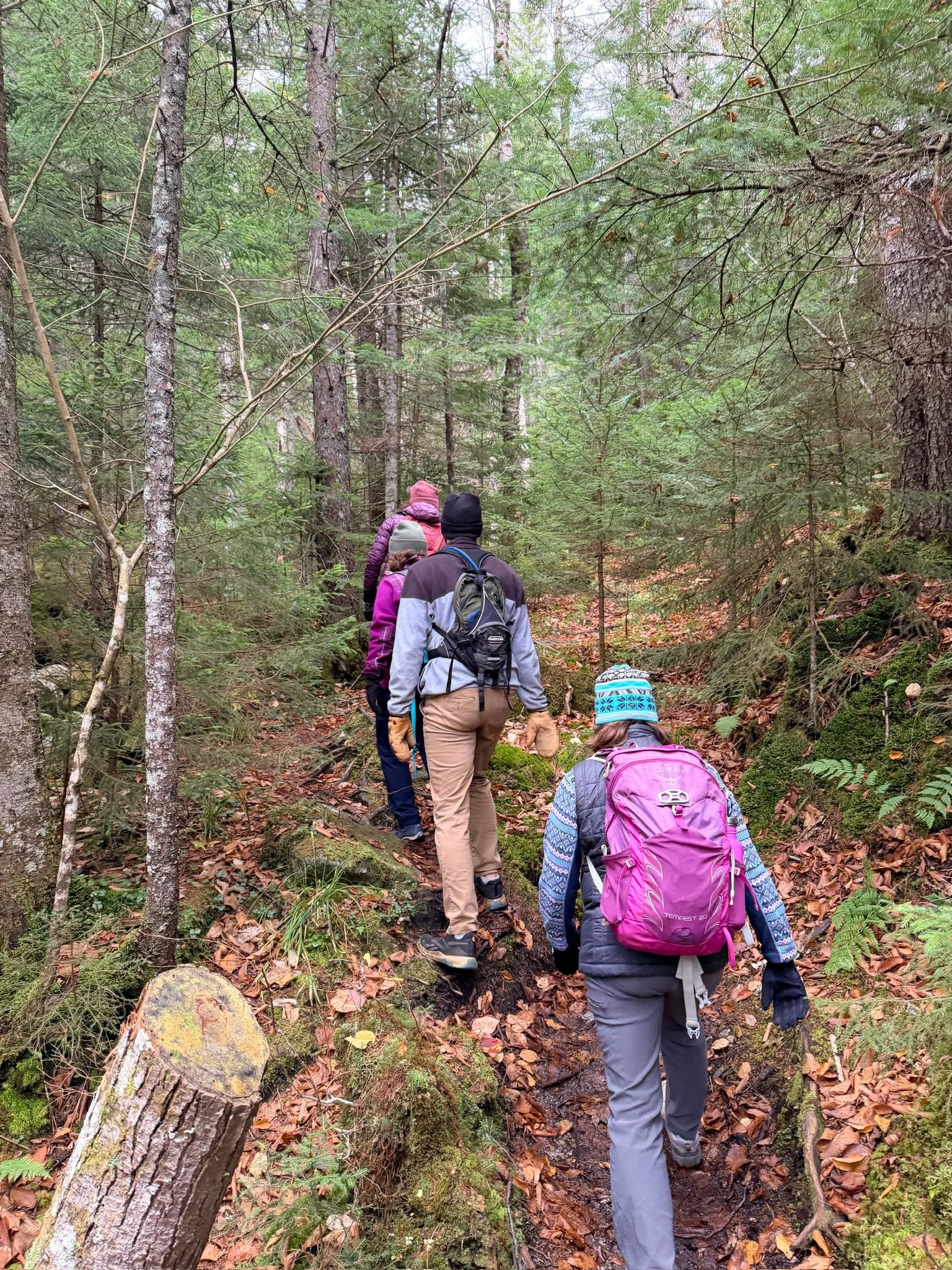
Hikers and skiers who develop hip discomfort with hills, stairs, or descents
Athletes who feel unstable or weak during single-leg tasks
Active adults with hip pain that worsens after prolonged sitting or driving
Individuals who have tried stretching and general strengthening but continue to experience recurring symptoms
If you are looking for performance-driven hip pain treatment rather than generalized exercises or passive care, this model is designed for you.
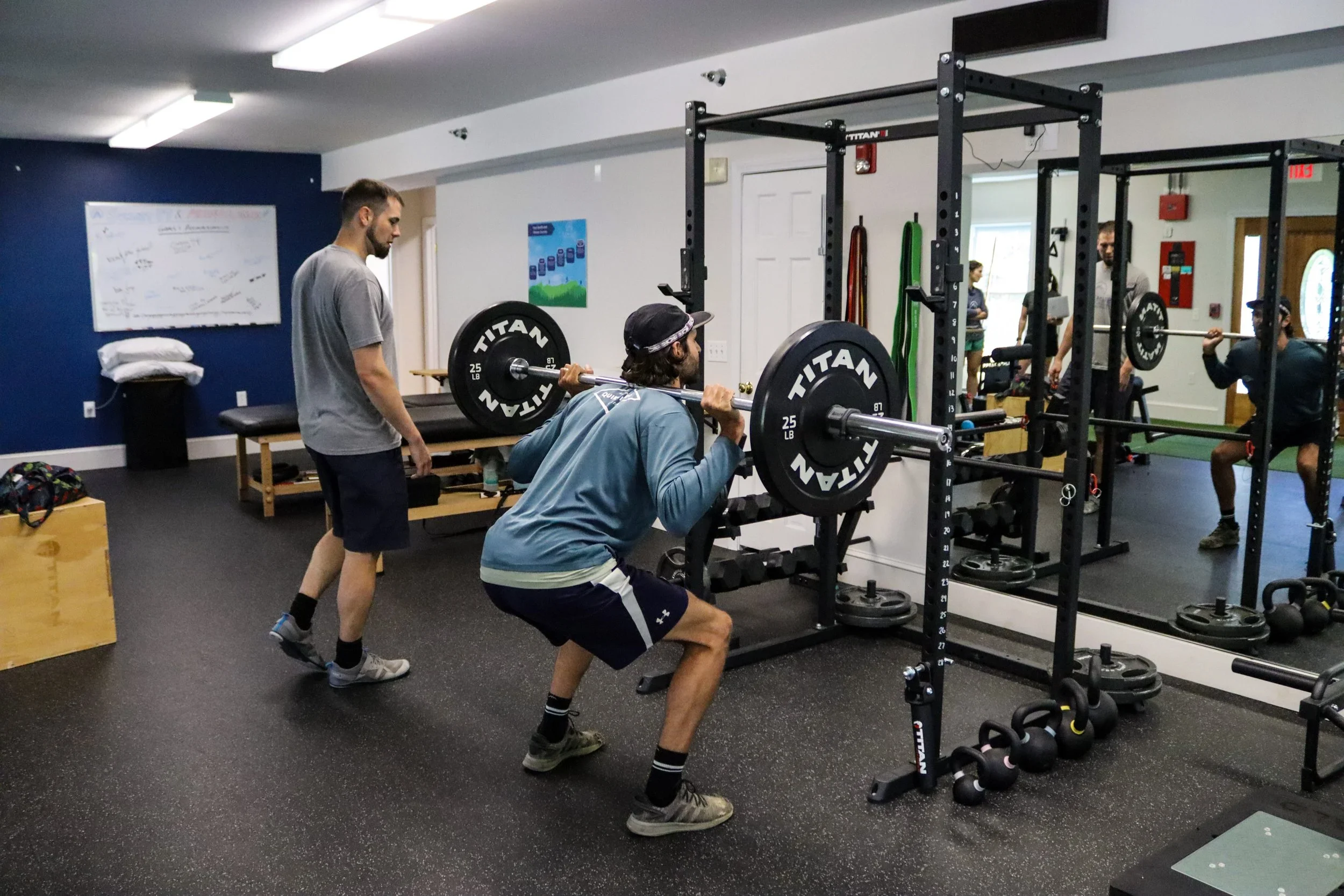
Start Rebuilding Hip Strength and Single-Leg Confidence
Hip pain should not dictate how far you can run, how confidently you can descend a trail, or how comfortable you feel during daily movement.
If you are looking for hip pain treatment and want a structured, progressive plan, Summit PT works with active individuals throughout Stowe and surrounding communities to help them restore strength, control, and confidence in single-leg activity.
Schedule your evaluation today and begin rebuilding the hip capacity needed for both daily life and mountain performance.
-
Running, hiking, and stair climbing all require repeated single-leg loading and significant hip strength. If the hip muscles lack endurance or control, these activities place increased stress on joint structures and surrounding tissues, leading to pain that worsens with volume or elevation gain.
-
Not always. A feeling of tightness is often the body’s response to weakness or poor control rather than true muscle shortening. In many cases, progressive strengthening and improved movement mechanics are more effective than aggressive stretching alone.
-
No. Many people with hip impingement symptoms improve significantly with targeted strengthening, mobility work, and activity modification. Surgery is typically only considered when symptoms persist despite a well-structured rehabilitation program and significantly limit daily life or sport.
-
Completely stopping activity is rarely necessary and may reduce your overall capacity. In most cases, adjusting training volume, terrain, or intensity while following a progressive strengthening plan allows you to stay active and recover more effectively.
-
Initial improvements in pain and movement often occur within several weeks, but rebuilding full single-leg strength, endurance, and confidence for high-volume or mountainous activity may take several months of consistent, progressive rehabilitation.