
Foot and Ankle Pain Treatment in Stowe, Vermont
Performance-based foot and ankle pain treatment for mountain and endurance athletes serving Stowe, Morrisville, Waterbury, and surrounding communities.
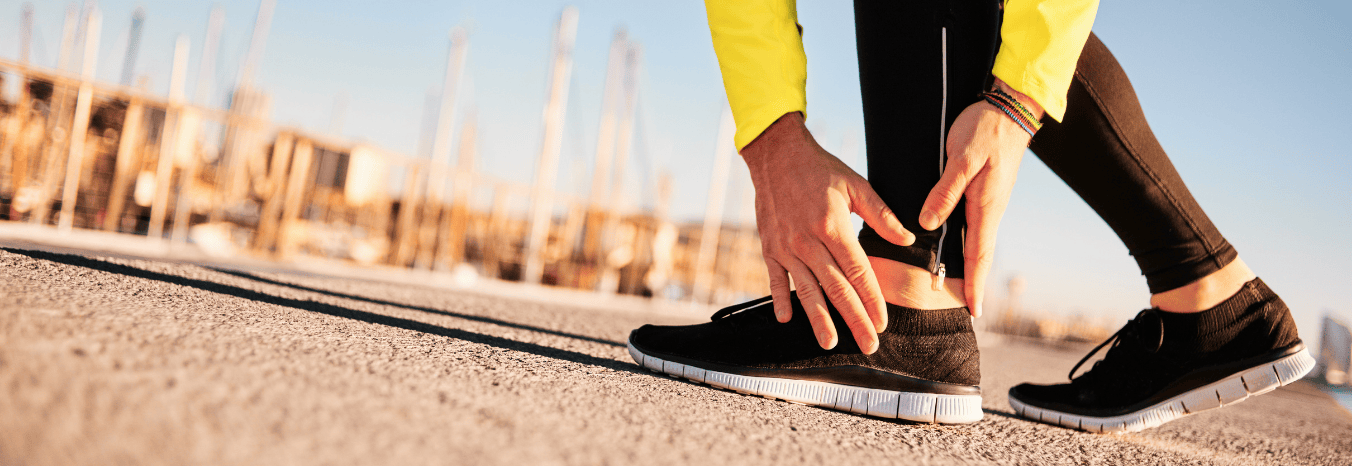
Foot and ankle pain often begins with subtle irritation. Discomfort in the heel with your first steps in the morning. Aching arches after longer runs or hikes. An ankle that feels unstable on uneven terrain or trails.
Over time, those small symptoms begin to affect how you train, move, and work.
At Summit PT, foot and ankle pain treatment focuses on restoring strength, improving mobility, and rebuilding the load tolerance required for mountain sports and long days on your feet. If symptoms return whenever you increase mileage, vert, or time standing, the issue is often related to capacity and mechanics rather than a single structural problem.
Effective treatment begins with identifying what is driving your symptoms.
Why Foot and Ankle Pain Develops and Persists
Many active individuals search for what causes foot pain or ankle pain when symptoms start interfering with training or daily activity. In endurance and mountain athletes, pain commonly develops when repetitive loading exceeds the foot and ankle’s current strength, mobility, or control.
Heel pain with first steps, arch discomfort during longer efforts, and Achilles tightness on hills are some of the most frequent complaints we see. These patterns often relate to tissue overload, movement restrictions, or insufficient calf and foot strength rather than a sudden injury.
Common contributing factors include:
Limited ankle dorsiflexion affecting squatting, stairs, and running mechanics
Calf strength and endurance deficits, especially during single-leg tasks
Reduced foot intrinsic muscle control, particularly with fatigue
Balance and proprioception deficits following previous ankle sprains
Rapid increases in training volume, hill exposure, or time spent on hard surfaces
Understanding these contributing factors helps guide treatment that addresses the root of the problem instead of only calming symptoms temporarily.
How Physical Therapy Helps Foot and Ankle Pain
Many patients try changing shoes, rotating through inserts or orthotics, stretching the calves, or resting from activity before starting physical therapy. These strategies may provide short-term foot pain relief but often fail to build the strength and capacity needed to prevent recurrence.
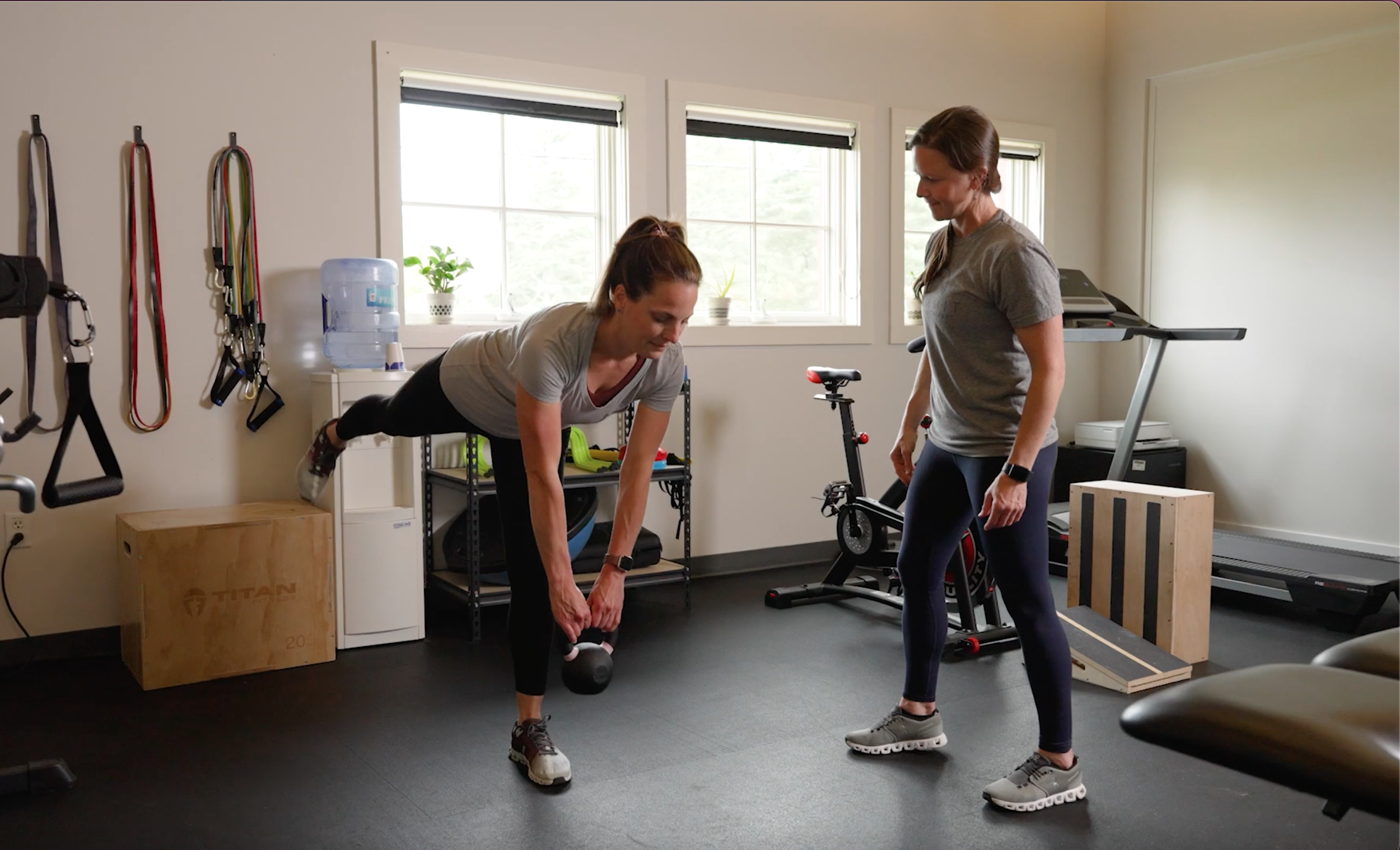
Physical therapy for foot and ankle pain focuses on restoring comfortable motion, then progressively rebuilding strength and load tolerance through the calf, foot, and lower leg.
Rather than permanently avoiding hills, speed work, or longer hikes, we help you regain the capacity to tolerate those demands. Treatment may include progressive calf strengthening, foot intrinsic exercises, balance training, and graded return to impact activities such as running or trail travel.
Orthotics may be introduced strategically to reduce strain and keep you active while underlying deficits are addressed. They are used as a support tool within a broader rehabilitation plan rather than a standalone fix.
The goal is not simply reducing pain. It is restoring confidence and resilience in your feet and ankles during real-world loading.
Don’t just take our word for it

SEE WHAT ONE OF OUR CLIENTS HAS TO SAY…
The Summit Approach to Foot and Ankle Pain Treatment
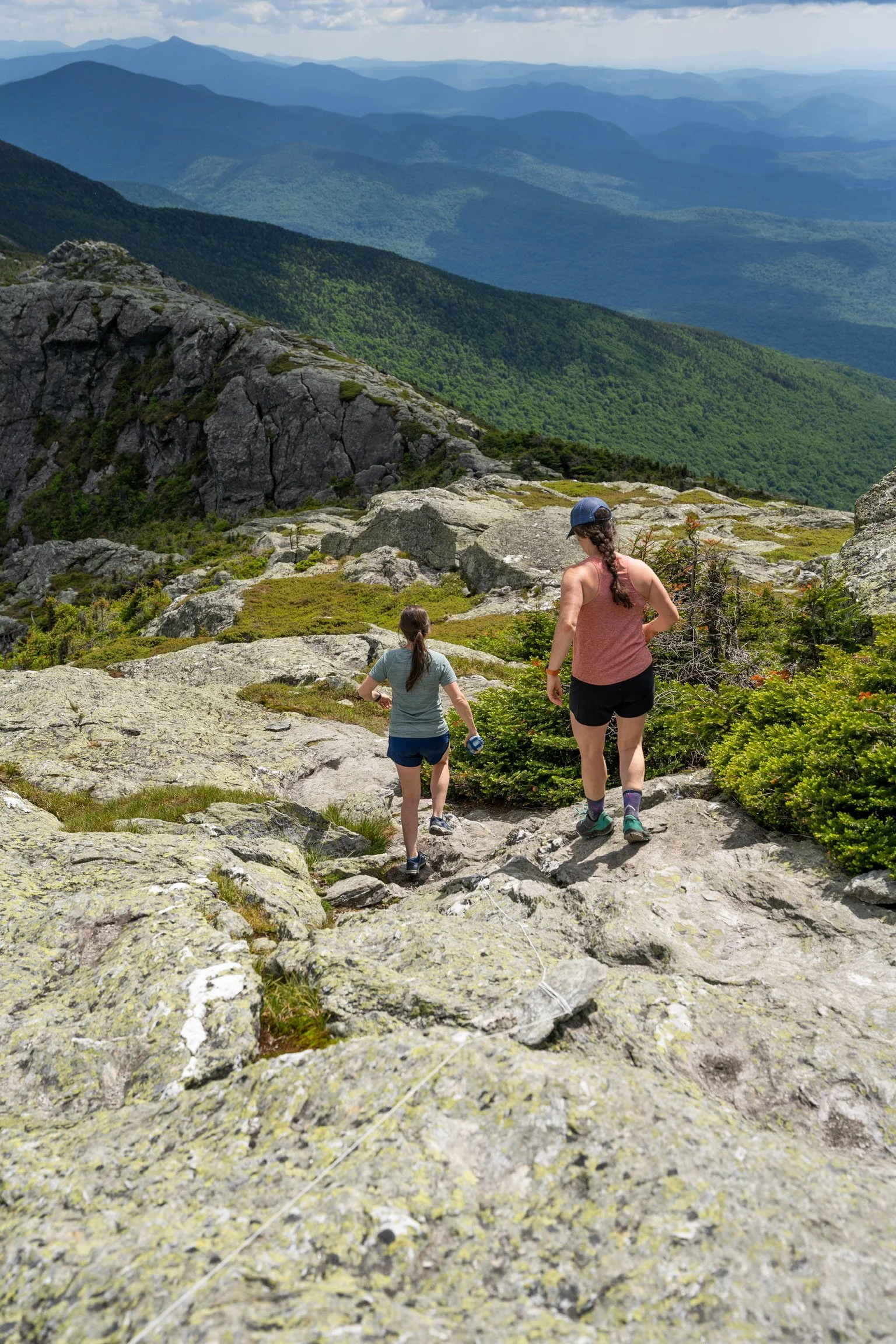
Foot and ankle pain treatment at Summit PT is built around the realities of uneven terrain, variable conditions, and high-volume training common in mountain and endurance sports.
Early priorities include:
Identifying the primary pain source and irritability level
Restoring ankle mobility and comfortable weight-bearing movement
Progressive strengthening of the calf complex and foot musculature
Improving balance, proprioception, and single-leg control
Introducing orthotics when appropriate to support activity while strength and tissue tolerance improve
We also address common misconceptions. Orthotics alone rarely resolve the problem. Rest and stretching are not the only solutions. Plantar fasciitis does not mean the foot should never be loaded. And ankle sprains often require structured rehabilitation to fully recover stability and control.
Our focus is reducing risk, rebuilding capacity, and supporting long-term performance on varied terrain.
Serving Patients Across Nearby Vermont Communities
In addition to Stowe, Summit Physical Therapy regularly works with patients from Waterbury, Morrisville, Hyde Park, Cambridge, Jeffersonville, and surrounding Vermont communities. Many people travel to Stowe for specialized physical therapy care that supports an active lifestyle, outdoor recreation, and long-term movement goals.

What to Expect at Your First Visit
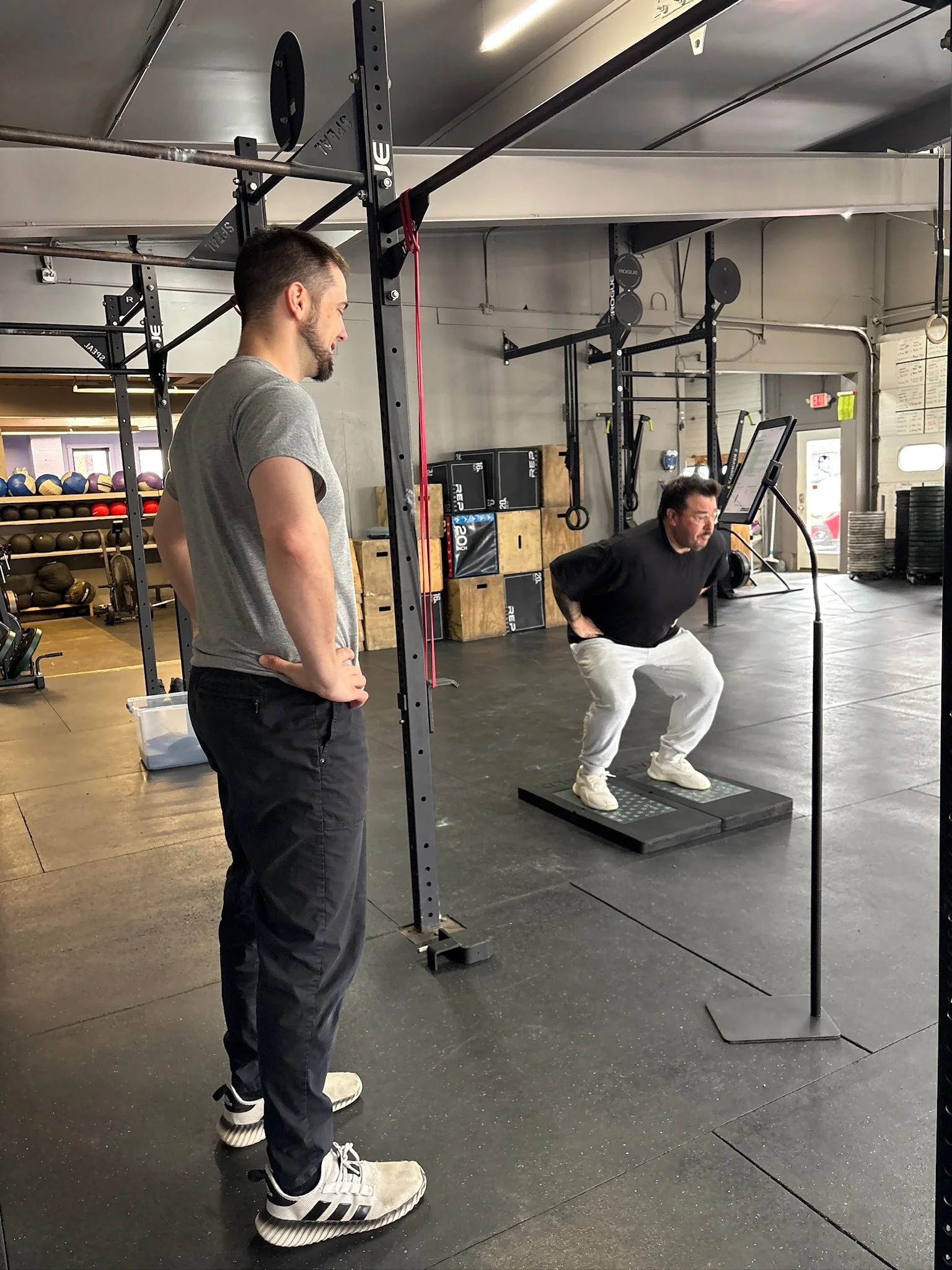
Your initial evaluation begins with a detailed conversation about your symptoms, footwear history, training patterns, and terrain exposure. We assess ankle mobility, calf strength, foot control, and balance in ways that reflect your sport and daily demands.
You will leave your first visit with:
Clear guidance on activity, footwear, and loading modifications
Targeted exercises matched to your current symptom irritability
A structured progression plan with measurable strength and mobility goals
If orthotics are appropriate, we will discuss how to introduce them gradually and how they fit into your overall treatment plan.
You should leave your first visit with a clear understanding of what is contributing to your foot or ankle pain and how your program will address it.
OUR PROCESS
How it Works
We want to make sure we are the best fit to help you reach your goals. This free 15 minute phone call can be scheduled through the link above, or just give us a call!
Free Discovery Call
01
02
Initial Evaluation
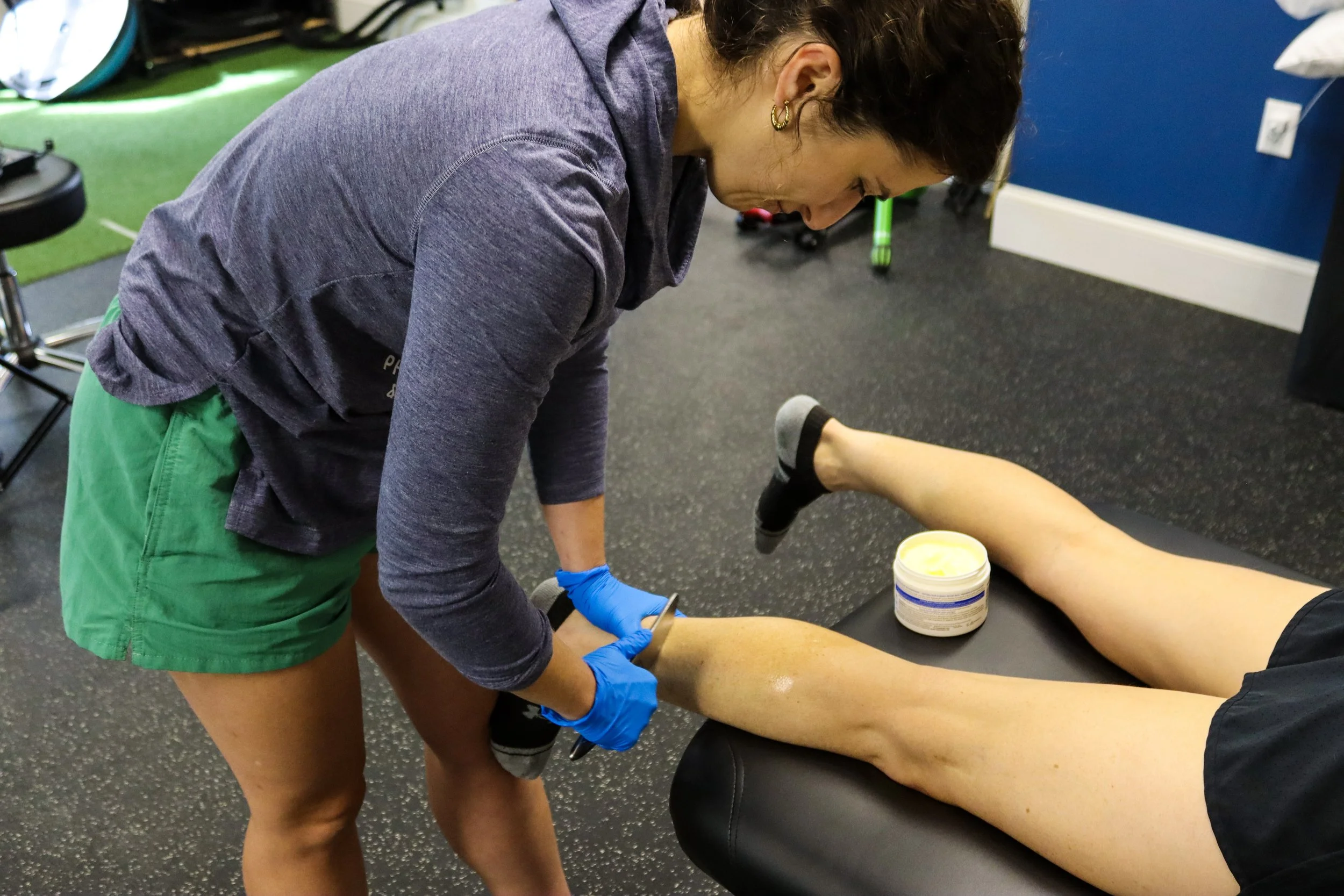
Meet 1 on 1 with a provider who will take you through a series of strength and mobility testing to determine the root cause of your problem.
03
Plan of Care
You and your provider will determine the best course of action to solve your problem and get you back to activity as quickly as possible.
Who This Is a Strong Fit For
This approach is particularly effective for:
Runners experiencing heel pain, arch pain, or Achilles irritation
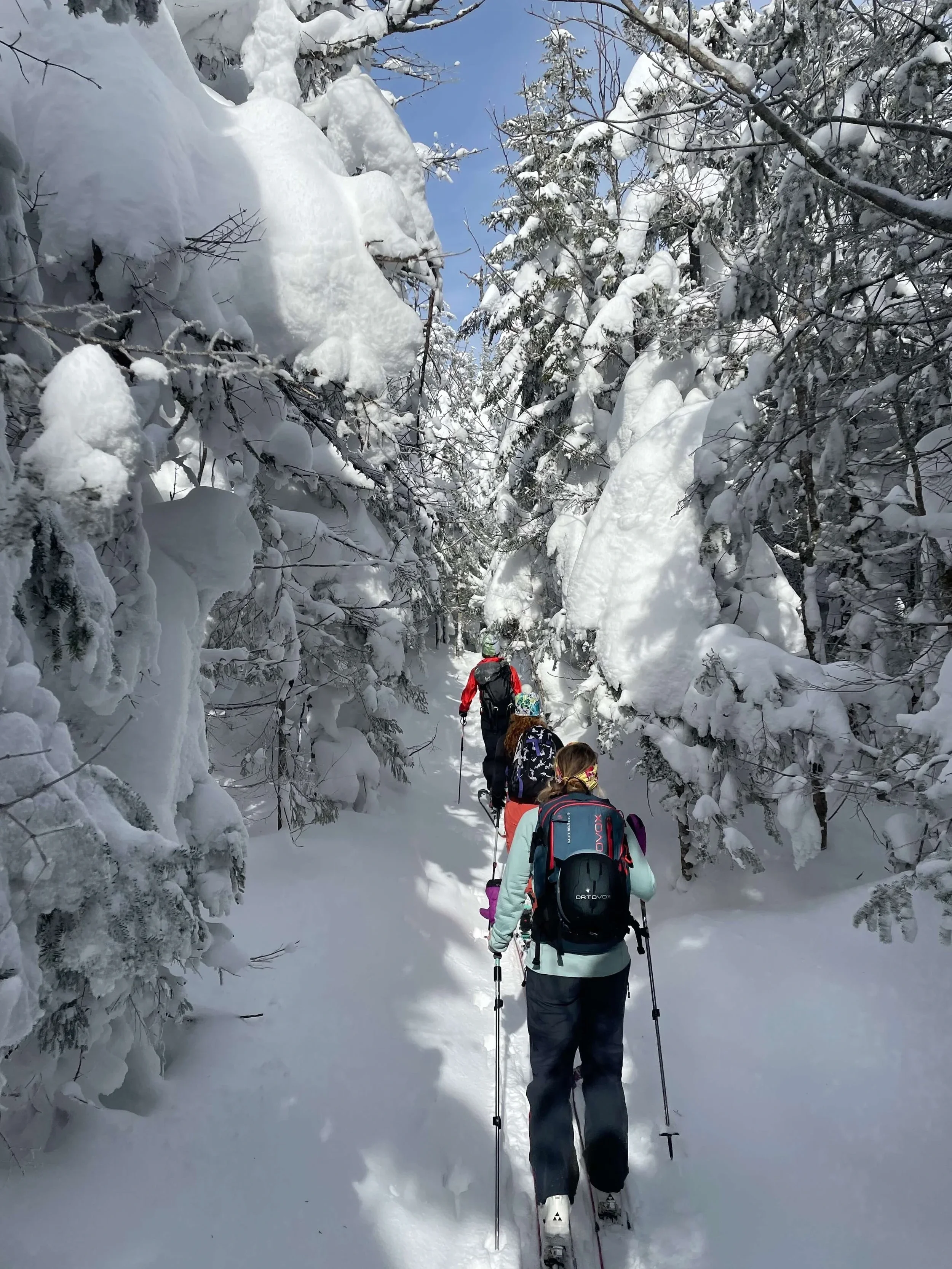
Hikers and skiers dealing with ankle instability on uneven terrain
Athletes whose foot pain increases with hills, speed work, or longer efforts
Active adults with foot pain that builds during long workdays and flares with training
Individuals who have tried shoes, inserts, or rest but continue to experience recurring symptoms
If you are looking for performance-driven foot and ankle pain treatment rather than generic exercises or passive care, this model is designed for you.
Start Building Stronger, More Resilient Feet and Ankles
Foot and ankle pain should not dictate where you can run, hike, or how long you can stay on your feet.
If you are looking for foot and ankle pain treatment and want a structured, progressive plan, Summit PT works with active individuals throughout Stowe and surrounding communities to help them restore strength, stability, and confidence.
Schedule your evaluation today and begin rebuilding the foundation that supports every step, stride, and climb.
-
Orthotics can help reduce strain on irritated tissues and make daily activity or training more tolerable, but they rarely address the underlying cause on their own. Long-term improvement typically requires progressive strengthening of the foot and calf, improved ankle mobility, and better load management.
-
Heel pain with first steps in the morning is commonly associated with plantar fascia irritation. During sleep, the tissue shortens slightly, and the first few steps place sudden load on it. As you move, the tissue warms up and becomes more tolerant to stress, which is why symptoms often ease after walking for a few minutes.
-
Yes. Many ankle sprains heal enough for daily walking but leave behind balance and strength deficits. Without structured rehabilitation, these deficits can increase the risk of repeated sprains, persistent instability, and ongoing discomfort during sports or uneven terrain.
-
In many cases, staying active with modified volume, terrain, or intensity is both safe and beneficial. Completely stopping activity can reduce tissue capacity and prolong recovery. A structured plan that adjusts load while rebuilding strength is often more effective than full rest.
-
The timeline varies depending on symptom duration, tissue irritability, and training demands. Many people begin to notice improvements within several weeks, but rebuilding full strength, endurance, and confidence for high-volume or mountainous activity may take several months of progressive work.